Israeli defense officials warn budget freeze threatens IDF readiness




Senior Israeli defense officials are warning that a budget dispute with the Finance Ministry is undermining the Israel Defense Forces’ military readiness, with $5.03 billion in approved defense funding reportedly still blocked.
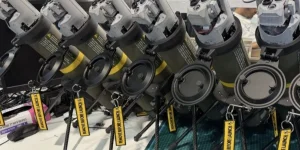
The funding freeze has contributed to shortages of munitions, Humvees and other critical supplies as the IDF continues to operate across multiple fronts after nearly three years of high-intensity war, according to Israeli defense officials.
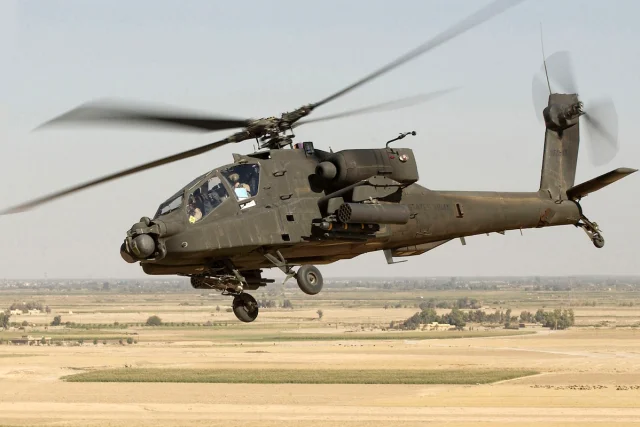
The dispute has also reportedly contributed to the collapse of a major deal for new American-made Apache helicopters.
“The Budget Department has put on the brakes completely and we are on the edge of an abyss,” an unnamed senior defense official warned in closed-door discussions.
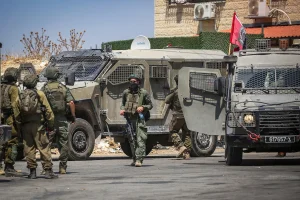
The challenge extends beyond funding for logistics. A large number of IDF Humvees were reportedly damaged during intense ground operations against Hezbollah forces in southern Lebanon, while U.S. production of Humvees adapted for IDF needs is expected to end in the near future.
The official warned that failed defense deals could also damage Israel’s relationship with the Trump administration:
“Every missed deal like this harms relations with the U.S. administration, raises prices in the global market, especially when countries in the region, such as Qatar, buy platforms like refueling aircraft at enormous prices and drive up the cost, and above all creates a serious operational gap on the ground.”
The Finance Ministry has argued that the IDF receives all the financial resources it needs, a claim that IDF officials have rejected.
Last week, IDF Chief of Staff Lt. Gen. Eyal Zamir warned that the military faced the challenge of maintaining high operational readiness amid serious budget constraints.
“At a time when the IDF and its personnel are stretched across all fronts, we must contend with ‘empty coffers.’ Such a situation harms the IDF’s readiness,” Zamir assessed.
Israeli military spending has soared since the Hamas Oct. 7, 2023, attack and the subsequent multifront war with Iran and its regional terrorist proxies. Defense officials say the increased spending has nevertheless failed to keep pace with the military’s needs.
According to security officials, Prime Minister Benjamin Netanyahu and his government recognized a 40 billion shekel ($US 13.4 billion) defense budget gap and subsequently approved the immediate transfer of 15 billion shekels ($5.03 billion).
The IDF, however, maintains that it has yet to receive the promised funding.
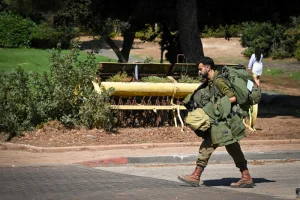
The funding dispute comes as the IDF prepares to deploy additional troops in Judea and Samaria (West Bank) ahead of the Jewish holidays in September, when Israeli security officials expect an increased risk of terrorist attacks.
Defense officials have also warned that inadequate funding is hampering efforts to maintain routine readiness and replenish ammunition reserves depleted during the war.
With new elections scheduled for late October, security officials are concerned that Israel’s next state budget may not be approved until the summer of 2027, potentially prolonging the funding crisis.
“The NIS 15 billion ($5.03 billion) that has already been agreed upon must be transferred immediately, and the budget must be reopened in the government to create a planning horizon,” defense officials assessed.
Looking ahead, defense officials warned that if the budget dispute remains unresolved, it could undermine Israel’s national security.
“The price that is not paid today in money will be paid tomorrow in national security," they said.
You might also like to read this: