









US Intelligence warns Iran could escalate attacks on US, allies
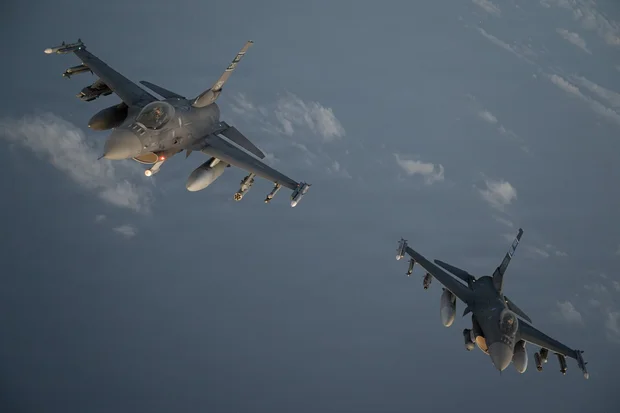
The Iranian regime is considering escalating military and cyberattacks against the United States and its allies, according to a recent U.S. intelligence report cited by The New York Times (NYT) on Friday.
The report said the ayatollah regime’s confidence in its military and cyber capabilities has increased in recent weeks.
Tehran has recently resumed missile strikes against U.S. military bases in the Middle East and Arab Gulf states, raising concerns among some U.S. intelligence officials that the attacks could be a prelude to broader strikes on commercial vessels in the Strait of Hormuz and key U.S. installations in the region.
U.S. officials are also increasingly concerned that Tehran could escalate its cyber campaign by targeting critical infrastructure and other sensitive sites inside the United States.
Alex Orleans, a former U.S. government official and cybersecurity contractor who specializes in Iranian-led hacking groups, warned of the cyber threat facing the United States.
“Even if such attacks fail to meaningfully unsettle the American public, they can still play into a broader effort to exhaust domestic patience with this administration’s handling of the conflict,” Orleans said.
In March, the FBI seized four Iran-linked cyberwarfare domains targeting the U.S. and its allies.
"Iran thought they could hide behind fake websites and keyboard threats to terrorize Americans and silence dissidents,” FBI Director Kash Patel said at the time.
“We took down four of their operation's pillars and we're not done. This FBI will hunt down every actor behind these cowardly death threats and cyberattacks, and will bring the full force of American law enforcement down on them," Patel said.
U.S. officials also believe that Iranian-backed hackers were behind July cyberattacks on over 100 water systems across the United States. The Iranian attacks failed to make the water unsafe to drink. However, the Iranian-led cyberattacks caused various disruptions.
U.S. officials have assessed that Iranian hackers might also attempt to target even better-protected U.S. oil and gas infrastructure systems.
On Feb. 28, Israel and the United States launched coordinated large-scale strikes on the Iranian regime, eliminating Supreme Leader Ali Khamenei and dozens of top Iranian military and regime officials. The U.S. and Israeli forces also degraded much of the Iranian regime’s military capabilities.
Despite the U.S and Israeli military successes, the weakened Iranian regime remains intact, and the protracted war is increasingly unpopular among the U.S. public. Some U.S. officials are concerned that the Iranian regime could seek an escalation to increase the unpopularity of the war in the United States.
Due to its limited conventional military capabilities, Tehran’s asymmetric strategy has prioritized missile production and support for terrorist proxies like Hezbollah, the Houthis and Hamas.
Looking ahead, the ayatollah regime is also focusing on U.S. vulnerability in two key areas: gas prices and the upcoming U.S. midterm elections.
“The Iranians think they have maximum leverage,” New Jersey Democratic Rep. Josh Gottheimer said, according to the NYT. “So, from their perspective, why not keep sticking it to the president?”
The Iranian regime is stepping up its propaganda campaign against U.S. President Donald Trump on social media. The goal is to undermine Trump’s chances in the midterm elections. In contrast, the Iranian Islamist regime does not care about public opinion in Iran.
“Because the Iranian government does not care much about the suffering of its people, it has been able to withstand both punishing economic sanctions and military bombardments,” Gottheimer concluded.
Popular article:

interview Easter message of resurrection hope amid war at Jerusalem's Garden Tomb

biblical commentary Let my people go: a Passover message for today
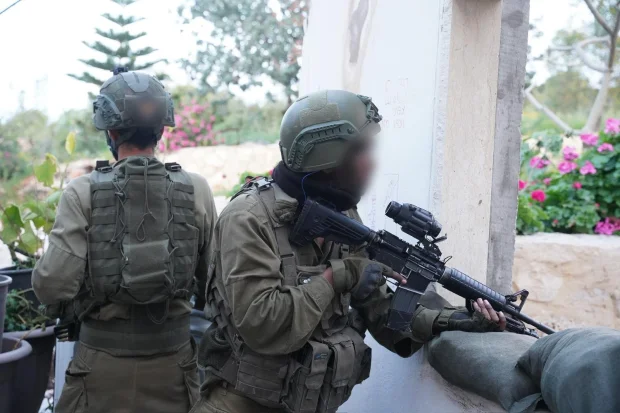
4 IDF soldiers killed, 2 wounded in fighting in southern Lebanon, as Israel eliminates dozens of Hezbollah terrorists
Receive latest news & updates
A message from All Israel News
Help us educate Christians on a daily basis about what is happening in Israel & the Middle East and why it matters.
For as little as $10, you can support ALL ISRAEL NEWS, a non-profit media organization that is supported by readers like you.
Latest articles:

Israeli intel chief Zini travels to France to give counterterrorism advice amid violent riots – report

Founding trustee of Oxford’s Islamic studies department believed Muslims should ‘continue the work of Hitler’

'Peaceful dialogue is not a crime:' Petition urges Lebanon to abolish its Israel Boycott Law
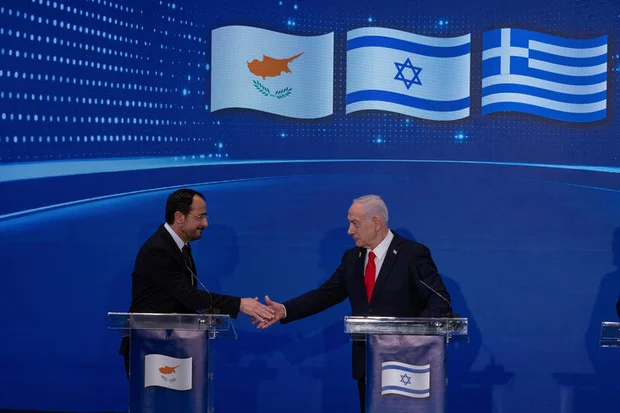
Israeli defense companies expand global reach with new deals in Cyprus, Germany and Canada

Netflix’s ‘The Diplomat’ appears to pay tribute to slain Israeli hostage Hersh Goldberg-Polin