IDF reduces reserve call-ups after nearly 3 years of multifront war



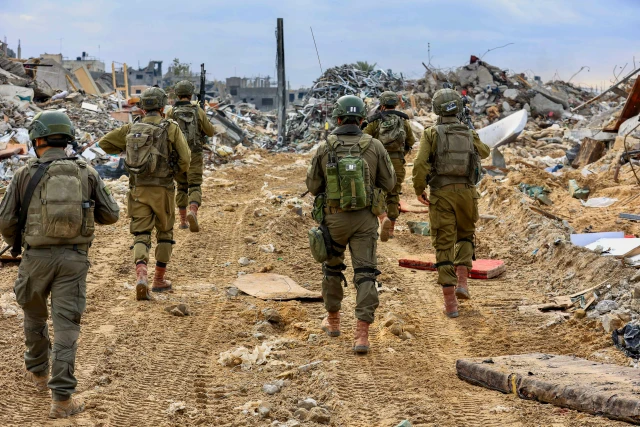
The Israel Defense Forces has initiated a wide reduction in the number of reserve soldiers serving on active duty following a decline in fighting intensity across several fronts where Israel has been engaged since the Iran-backed axis launched its assault on the Jewish state on Oct. 7, 2023.
"In accordance with the latest operational assessment, it has been decided to reduce the reserve force and the number of Order 8 call-up notices in the IDF," the Israeli military said in an official statement.
"The reduction will be implemented differently in each operational sector and in several stages, based on ongoing assessments. IDF personnel have been informed. The IDF will continue to safeguard the security of the State of Israel on all fronts," the IDF added.
IDF officials said the move reflects a gradual return toward the routine that existed before the Hamas invasion and massacre, which killed approximately 1,200 people and led to the abduction of 251 hostages from southern Israel. Some IDF units will reportedly see personnel reductions of up to 50%, while non-essential activities will also be scaled back.
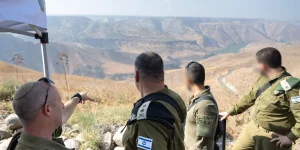
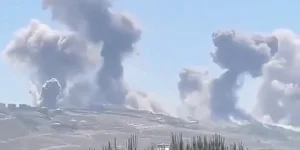
The reduction comes after the IDF significantly weakened Hamas in Gaza and Hezbollah in Lebanon, dramatically lowering the intensity of fighting with the two Iran-backed terror groups. The move does not represent an end to Israel’s military readiness, as the IDF continues to monitor threats across multiple fronts.
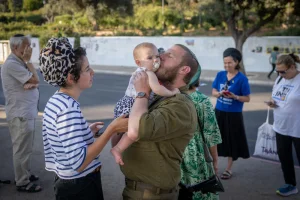
The decision also aims to reduce the strain placed on Israel’s reserve system after nearly three years of continuous military operations. The multifront war created significant social and economic pressure as reservists left families, jobs, and businesses behind to serve at the front lines.
Following the Oct. 7 attack, the IDF mobilized approximately 300,000 reservists within 48 hours – the largest and fastest military mobilization in Israeli history.
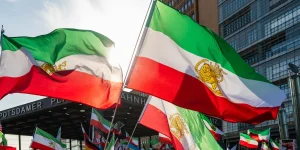
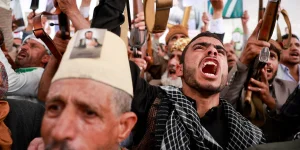
The Hamas-led assault was followed by attacks from Iran’s regional proxies, including Hezbollah in Lebanon, the Houthis in Yemen, and other Tehran-backed groups. Israel eventually faced threats on multiple fronts, including Gaza, Lebanon, Syria, Yemen, Judea and Samaria, and Iran.
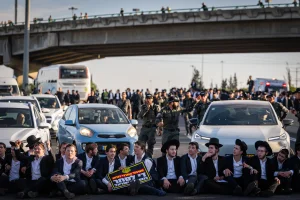
The war also intensified debate over expanding military service among ultra-Orthodox Israelis, as the IDF faced increased manpower demands. While a growing number of ultra-Orthodox Jews have enlisted since Oct. 7, the majority continue to receive exemptions from service.
You might also like to read this: