Miryam and Yosef: From Nazareth’s workshops to the ministry of Yeshua
Part Three of the 'Real People of the New Covenant' series




This article is part of Real People of the New Covenant: Lives Behind the Names, a series by All Israel News that contextualizes the historical figures of the biblical narrative. Exploring the history and archaeology of the Land offers an objective framework for reading the text, grounding distant figures within their concrete environment.
For centuries, Western art and traditional nativity depictions have maintained a specific imagery surrounding the family of Yeshua: an isolated, impoverished couple surviving in a remote, quiet hamlet entirely removed from urban civilization. In these accounts, Joseph is frequently represented as an elderly carpenter working within a small, rustic workshop.
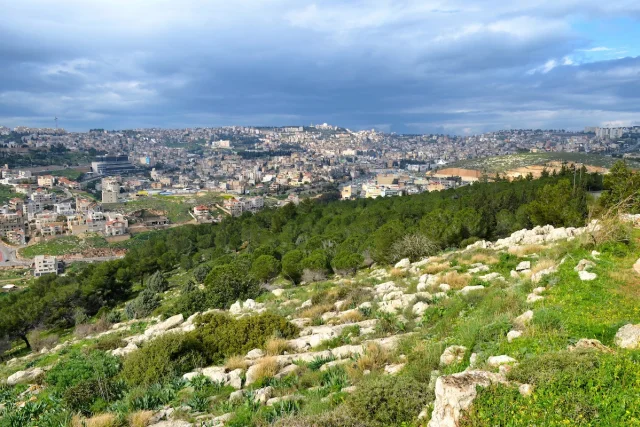
However, aligning the original texts of the New Covenant with modern archaeological excavations in Lower Galilee presents a significantly different historical reality. Far from being disconnected from the ancient world, Miryam and Yosef (Mary and Joseph) appear to be highly skilled, resilient Judean migrants who settled in Galilee and were deeply embedded within the major economic and construction boom of the first century.
Yosef the Tekton: Beyond the traditional carpenter
To understand the daily life of Yosef (יוֹסֵף) – “May He Add” – and Miryam (מִרְיָם) – “Exalted” or “Beloved” – a closer look at the text and material culture reveals a dynamic, devout household. In Matthew 13:55, Yosef is defined by the Greek term tekton (τέκτων). While almost universally translated as “carpenter,” standard lexicons note a wider range: an artisan or builder-craftsman working with wood, stone, or metal.
In the limestone-abundant, timber-scarce topography of Lower Galilee, Yosef would have operated primarily as a stonemason and structural builder. This required technical knowledge, practical geometry, and regional mobility to follow major building projects.
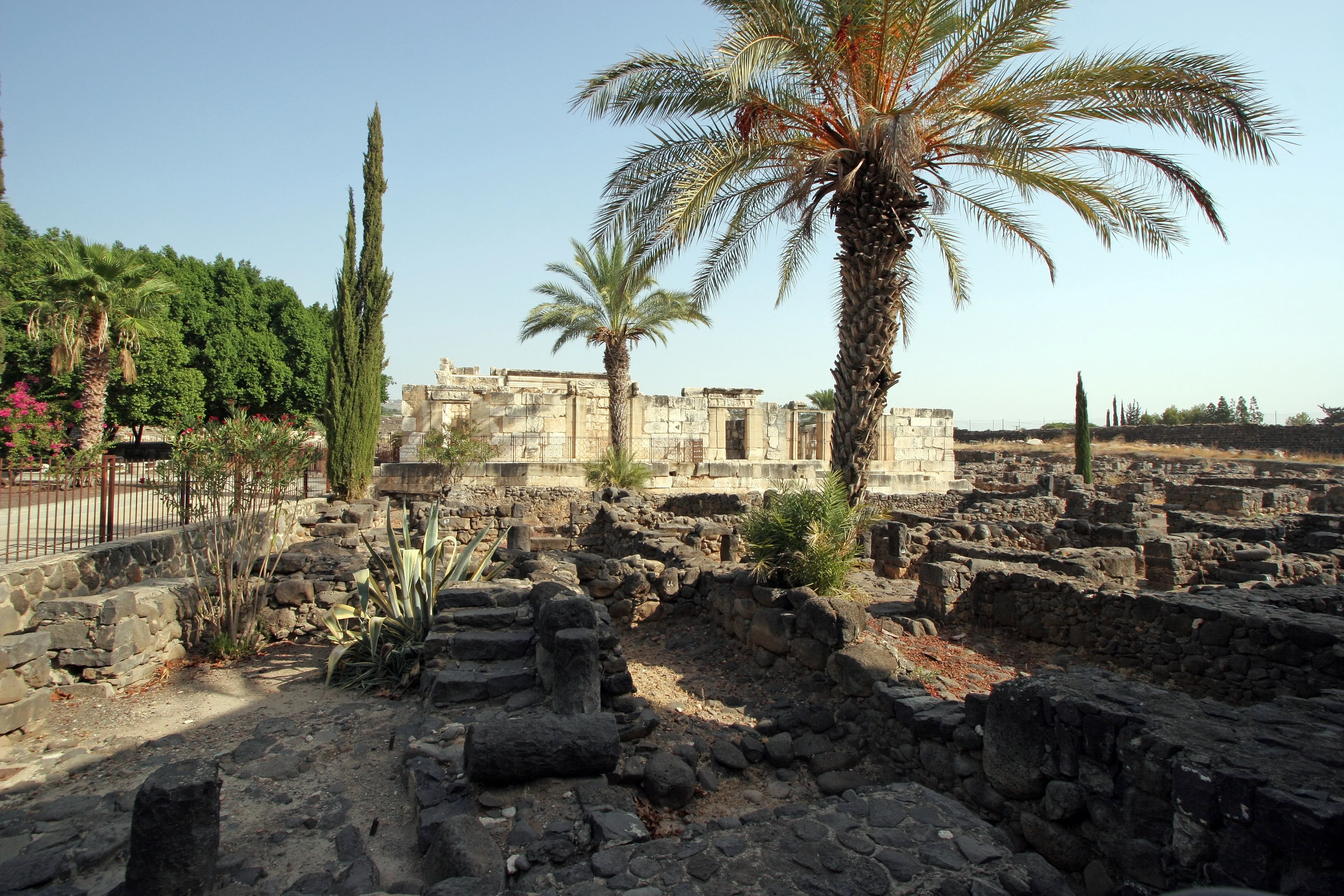
Meanwhile, archaeological insights from the Nazareth Archaeological Project led by Ken Dark illuminate Miryam’s specific domain. Excavations of first-century domestic structures in Nazareth demonstrate a strict adherence to Jewish purity laws (halakha). The widespread presence of locally produced chalkstone vessels – which, unlike pottery, could not contract ritual impurity – highlights a home tightly managed according to observant Jewish traditions. While Yosef shaped the structural stone outside, Miryam maintained the ritual integrity of the stone vessels within the home.
Furthermore, their identity as Judean migrants is personally reflected in the naming of their family. The names of their children – Yeshua, Ya‘aqov, Yosef, Shim‘on, and Yehouda – were not accidental; they directly echoed the patriarchs and national deliverers of Israel. This naming pattern underscores a household steeped in profound biblical literacy, covenantal identity, and messianic expectation.
Nazareth and Sepphoris: a context for dynamic labor
This professional and cultural background gains immense significance when paired with local geography. Nazareth sat just an hour’s walk – about 6 km northwest – from Sepphoris (known in Hebrew as Zippori – צִפּוֹרִי). During the youth of Yeshua, Herod Antipas was refounding this city as his primary capital. The ancient historian Flavius Josephus would later describe the rebuilt metropolis as the “ornament of all Galilee.”
Archaeological field reports from Sepphoris describe a sophisticated Roman-Hellenistic center with paved colonnaded streets, a large hillside theater, and villas adorned with exquisite mosaics. This wealthy urban culture developed right at Nazareth’s doorstep, creating an immediate economic gravitational pull for neighboring rural craftsmen.
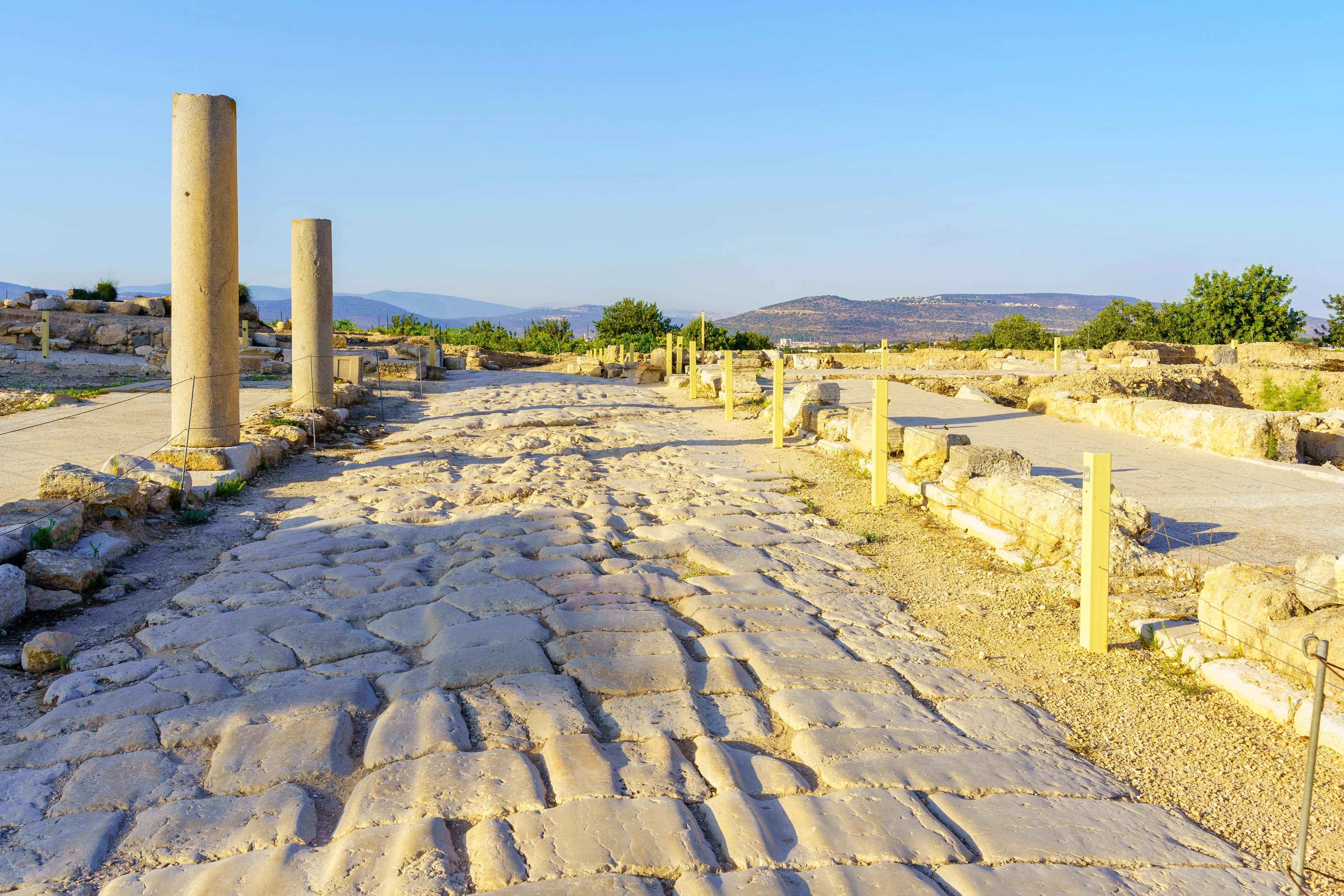
This imperial project required a steady stream of skilled masons, stone-carvers, and tektones. It is highly probable that Yosef – and later Yeshua – traveled to this nearby site for contract work, directly exposing their household to Roman architecture, international trade, and a cosmopolitan, multilingual environment.
This practical upbringing is clearly reflected in the Gospel records, where the teachings of Yeshua frequently employ precise building vocabulary – such as constructing foundations on rock (Matthew 7:24), calculating the cost of towers (Luke 14:28), or referencing the cornerstone (Matthew 21:42). Far from a vacuum of isolation, these details demonstrate how deeply His parables are grounded in the tangible reality of a builder’s family.
The lasting foundations beyond the monuments
Ultimately, their legacy provides a powerful historical model of devotion operating outside institutional or political prominence. The material culture uncovered in early Roman Nazareth offers a tangible link to this artisan household, demonstrating that while the grand imperial monuments of the first century have long since faded, a life built on practical integrity leaves a lasting foundation.
Yet, the quiet village of Nazareth was only the beginning. The diligent, highly mobile, and observant lifestyle Yeshua witnessed in the hills of Lower Galilee formed the backdrop for the launch of His earthly ministry. As He began to preach the Kingdom of Heaven, His path led Him from the stone workshops of Nazareth down to the bustling shores of the Sea of Galilee. There, He would call His first disciples – not from the religious elite of Jerusalem, but from the rigorous maritime trades of the lake – inviting them to become "fishers of men."
As the narrative shifts from the rocky hills of Nazareth down to the waters of the Galilee, the stage is set to discover how a very different realm of labor would anchor the foundational days of the New Covenant accounts.
Real People of the New Covenant Series
Part One: Zeḥaryah and Elisheva in the Book of Luke reveal Temple-era priestly life
Part Two: Yoḥanan the Baptist – the dissident of the priestly elite