EU aviation agency extends warning on Middle East flights amid fragile US-Iran ceasefire





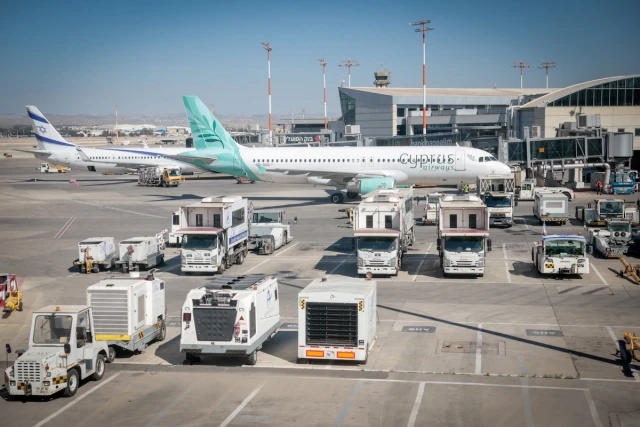
The European Union Aviation Safety Agency (EASA) announced on Friday that it would extend its warning to European airlines to avoid Israeli and other Middle East airspace until at least May 1. The agency said it remains cautiously optimistic about reduced tensions after the United States extended the ceasefire with Iran in an effort to reach a diplomatic solution to the conflict.
“A temporary ceasefire between the United States and Iran, announced on 8 April 2026, has been extended,” EASA stated. “However, its implementation remains uncertain and therefore requires further monitoring to assess whether it leads to a sustained reduction of risk to civil aviation.”
After approving an extended ceasefire, U.S. President Donald Trump on Saturday canceled planned peace talks with Pakistan, citing doubts that the Iranians would negotiate in good faith.
“I've told my people a little while ago, they were getting ready to leave, and I said, ‘Nope, you’re not making an 18-hour flight to go there,” Trump told Fox News White House correspondent Aishah Hasnie.
“We have all the cards,” he said. “They can call us anytime they want, but you're not going to be making any more 18-hour flights to sit around talking about nothing.”
"And I canceled the trip, and I said, 'Anytime they want to phone us, we're ready, willing and able, but we're not going to waste a lot of time,” Trump explained, referring to the Iranian regime.
On Feb. 28, the U.S. and Israel launched joint military strikes against the Iranian regime and its nuclear, missile and military assets in an operation known as Operation Roaring Lion in Israel and Operation Epic Fury in the U.S.
Iranian forces responded by launching missile and drone attacks against Israel, U.S. military bases and multiple countries in the region, including Saudi Arabia, the United Arab Emirates, Bahrain, Qatar and EU member state Cyprus.
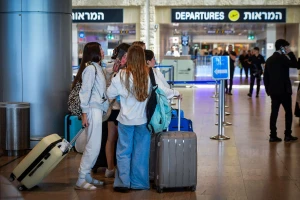
Most international airlines suspended flights to the Middle East due to the Iran war, and Israel’s Ben-Gurion International Airport was temporarily closed over security concerns, leaving tens of thousands of Israelis stranded abroad.
In early March, Israeli authorities partially reopened the airport, prioritizing inbound flights to return Israeli nationals. Plans were also made to increase outbound flights for stranded tourists and foreign nationals, but these were later limited after Iranian missile debris partially damaged three private jets at Ben Gurion.
Despite the April 8 ceasefire, international airlines have been slow to resume flights to Israeli and Middle Eastern airspace. Leading European carriers, including members of the Lufthansa Group, have already suspended flights to Israel into May, while U.S. airlines have suspended service through September due to security concerns.
It is unclear whether diplomacy can resolve the conflict between the U.S. and Iran. The Trump administration has demanded that Tehran abandon its nuclear program, including uranium enrichment, which Iran has so far refused.
Iran has also resisted calls to scale back its ballistic missile program and its support for regional proxies, including the Hezbollah terrorist organization in Lebanon. Tensions also persist between Washington and Tehran over control of the strategically important Strait of Hormuz.
You might also like to read this: