Lag B’Omer bonfires raise wildfire concerns as Israel braces for summer fire season



The Fire and Rescue Authority issued a statement last week banning bonfires outside of approved areas from May 3, two days before Lag Ba’Omer, until June 30. The move is similar to restrictions imposed last summer to reduce the risk of wildfires during the holiday period.
Approved bonfire areas are typically open dirt spaces located far from trees or other flammable materials. The Nature and Parks Authority, various municipalities and Keren Kayemeth LeIsrael–Jewish National Fund (KKL-JNF) maintain designated sites for public use across the country.
The restrictions come ahead of Lag Ba’Omer, a non-biblical Jewish holiday known for its traditional bonfires. While largely overlooked by Jewish communities outside Israel, the holiday is especially popular among Israeli children, though it is viewed far less favorably by fire and rescue services, police, and above all, KKL-JNF.
That is because the widespread bonfires lit across the country often spread into nearby wooded areas, at times causing wildfires that result in significant environmental damage and high costs to extinguish.
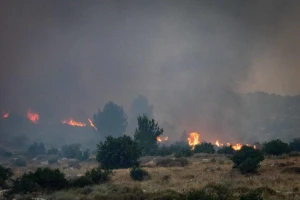
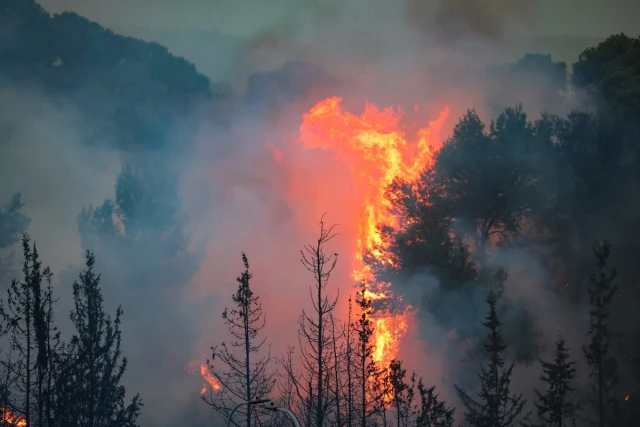
Last summer saw some of the most devastating wildfires in Israeli history, destroying over 25 square kilometers, much of it in the hills just west of Jerusalem. There were allegations that some of the fires had been started by arsonists who were attempting to divert government resources from the battle against Hamas and Hezbollah. Other reports spoke of people who had simply been careless with their bonfires.
Whatever the cause of the wildfires, once they were ignited, they were aided by a combination of temperatures in excess of 100 degrees Fahrenheit (38 Celsius), humidity below 10% and winds gusting to over 37 miles per hour. It took more than 30 hours and vast resources to put the fires out. Although no lives were lost, there was significant property damage and the main highway and rail lines between Jerusalem and the coast were closed for extended periods. Even after the flames died down, residents of the capital region suffered from acrid smoke, ash clouds and low visibility for several days.
One year later, the burned-out areas have begun to recover, with the blackened trees slowly being covered in new green leaves and as KKL-JNF teams have planted new trees in the affected areas, and natural plants have also begun to spring up.
“Last year’s fires were among the most severe we’ve experienced, but they also remind us of the need for continued investment in forest rehabilitation," KKL-JNF Chairman Eyal Ostrinsky said. "We are committed not only to restoring what was damaged, but also to building more resilient forests for the future. Nature is already showing its strength, and we are here to support it and ensure it endures for generations to come.”
Lag B’Omer is traditionally celebrated on the 33rd day of the Counting of the Omer, between Passover and Shavuot. There are a few different traditions associated with it, including the end of the plague that killed several of Rabbi Akiva’s students in the early years of the Second Century. There is another tradition that Lag B'Omer marks the death of Rabbi Shimon bar Yochai, author of the Zohar, which is the foundational text for Kabbalistic mysticism.
However, many Israelis are largely unfamiliar with these traditions and instead celebrate the holiday as an unofficial start of summer, marked by bonfires, barbecues and gatherings with family and friends.
You might also like to read this: