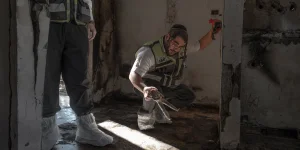
Section of 2,000-year-old Hasmonean aqueduct uncovered in southern Jerusalem
Aqueduct, used to bring water to the Temple, is mentioned in ancient Jewish sources



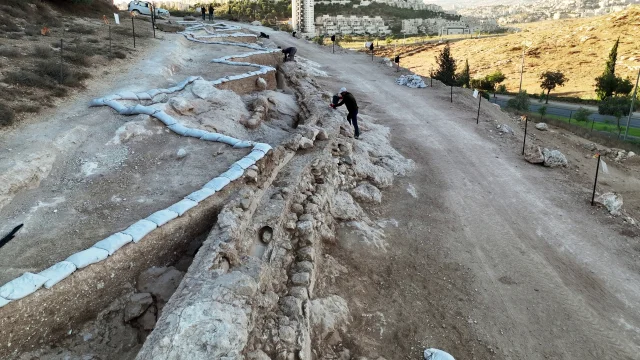
Archaeologists recently uncovered an approximately 300-meter-long (985 feet) section of Jerusalem’s Lower Aqueduct, which carried water from Solomon’s Pools to the Temple Mount, offering fresh insight into how ancient engineers kept the city supplied with water.
The excavation happened south of Kibbutz Ramat Rachel, near Jerusalem, as part of work conducted by the Israel Antiquities Authority (IAA), to preserve important antiquities during the construction of a new neighborhood.
The Jerusalem Lower Aqueduct dates to the time of the Hasmonean dynasty (approximately 140 B.C. to 37 B.C.), even before Herod the Great.
The water for the aqueduct came from the Ein Eitam spring in the Gush Etzion area, south of Bethlehem, which fed into a series of reservoirs called Solomon’s Pools. The spring sits several meters higher than the Temple Mount, and the Lower Aqueduct's water was used for ceremonial washing by the priests and for cleaning the blood of the sacrifices.
The aqueduct measured about 21 kilometers (13 miles) long and maintained a gradual decline as it ran north, following the terrain rather than running in a straight line. Water in the aqueduct would descend one meter in elevation for every kilometer of travel, demonstrating remarkable engineering skill.
Aerial view of the Jerusalem Lower Aqueduct uncovered near Ramat Rachel. Photo: Emil Aladjem, Israel Antiquities Authority
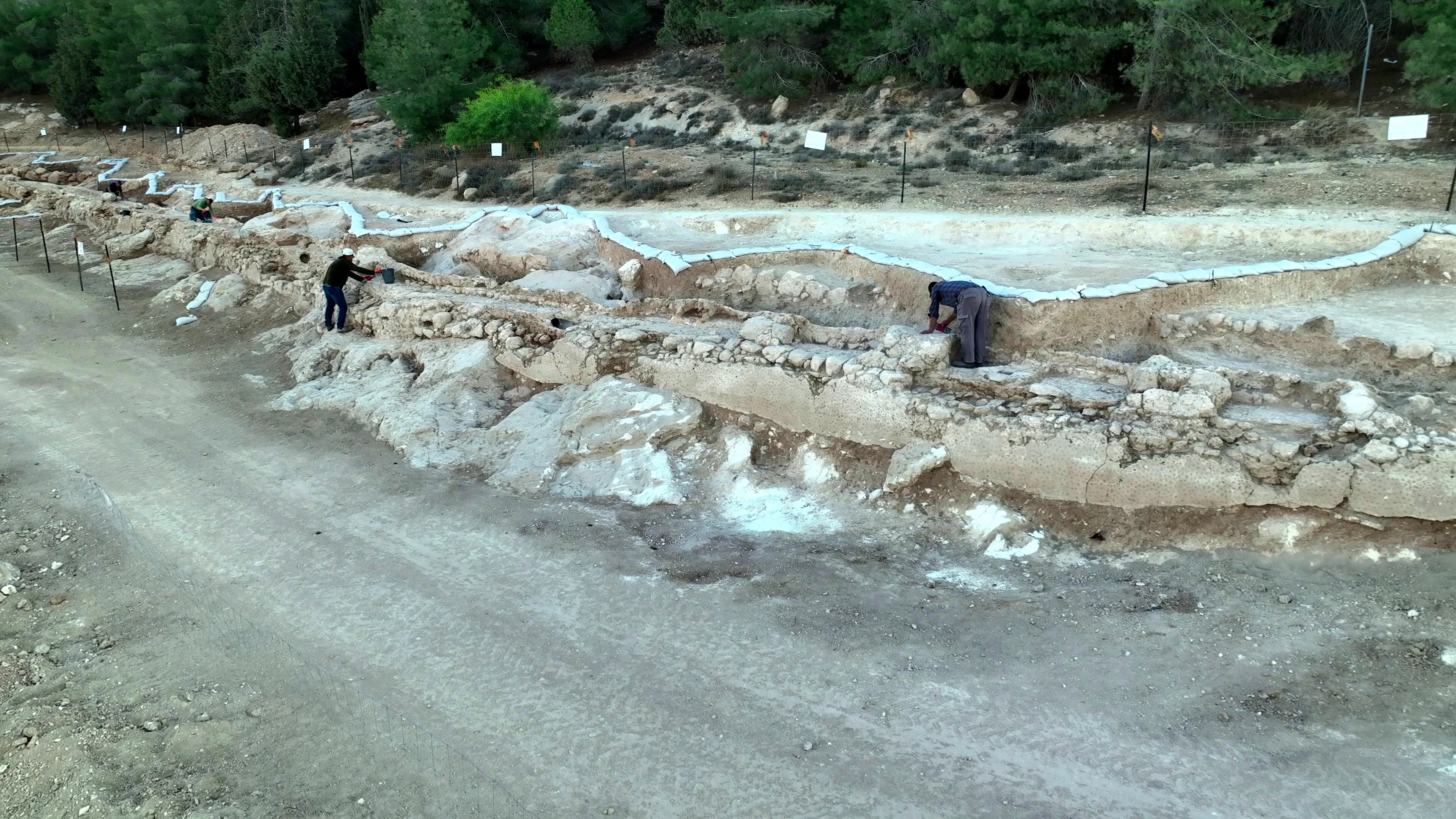
Cleanout points were installed along the system at several places, providing access for clearing blockages and routine maintenance.
“The system was so well planned that it remained in intermittent use until about 100 years ago,” said excavation directors Benyamin Storchan and Gil Freid.
Water originally ran in a stone channel, but during the early Ottoman period, a terra cotta pipe was installed, to better protect the water as it traveled to the city.
The aqueduct is mentioned in the Jerusalem Talmud, in Tractate Yoma, which describes how the water was used to wash the marble floor of the sanctuary to clean away the blood.
Previous excavations have uncovered other parts of the aqueduct, which was in use until the late Ottoman period.
“The Lower Aqueduct was an impressive engineering project, probably built in the time of the Hasmonean kings to supply water to Jerusalem,” Storchan and Freid said.
“The aqueduct is an engineering marvel,” said Dr. Amit Re'em, Jerusalem District Archaeologist of the Israel Antiquities Authority. “Even today, with all our modern technology, building such a system would require extensive planning and effort. The thought that about 2,000 years ago they managed to bring water to Jerusalem this way is astonishing.”
Dr. Re’em said the IAA hopes to create a park running the length of the aqueduct from southern Jerusalem to the Temple Mount, so the public will “be able to appreciate this achievement up close.”
“The aqueduct, whose construction is attributed to the days of the Hasmonean kings, tells of a leadership that knew how to think ahead: to expand Jerusalem's capacity to absorb residents, pilgrims, and public life around the Temple,” said Minister of Heritage, Rabbi Amichai Eliyahu. “Integrating the aqueduct into the new neighborhood today continues this story: the city is growing, and we are glad that its integration into the new neighborhood will allow future generations to get to know this heritage up close.”

Support our independent, on-the-ground reporting from Israel. Become a $5/month Ally.
You might also like to read this: