Israeli manufacturers warn stronger shekel threatens jobs, risks brain drain


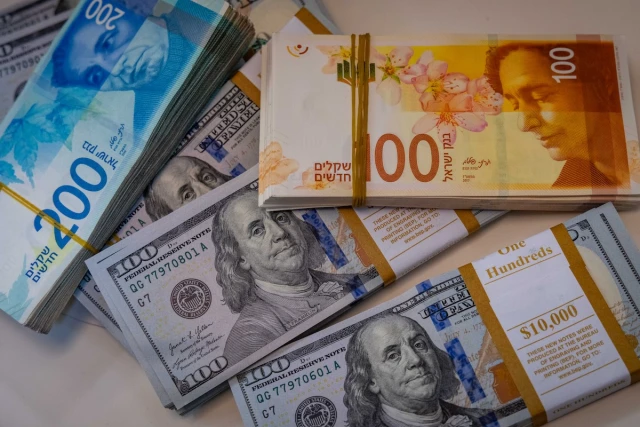
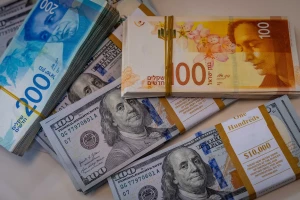
The Israeli Manufacturers Association warned on Monday that the strengthening shekel threatens domestic jobs and could trigger a brain drain. As an export-oriented economy, Israel is particularly vulnerable to currency shifts: a stronger shekel against the U.S. dollar makes Israeli goods more expensive in the United States and other dollar-linked markets, hurting exports.
“The appreciation of the shekel is seriously damaging industry and high-tech,” Manufacturers’ Association of Israel (MAI) President Avraham (Novo) Novogrotzky warned. The tech industry is widely considered the growth engine in the Israeli economy and exports.
He called on the Israeli government and the Israeli Central Bank to intervene and stabilize the shekel dollar exchange. “Without emergency measures, this could lead to a wave of layoffs, significantly harm the industry in the periphery, and cause the economy to deteriorate into a deep recession,” Novogrotzky assessed.
The Manufacturers Association has further warned that Israeli exporters risk losing around $US10 billion dollars in annual revenue as a result of the stronger shekel. Israeli exporters frequently trade and receive their wages in U.S. dollars.
In late December, the Israeli shekel strengthened to a four-year high against the US dollar, trading at NIS 3.18 per dollar. Joe Fraiman, CEO of Israeli financial consultancy Prico Group, said at the time that the strong shekel was linked to growing inflows of foreign investment into the Israeli economy.
“Large foreign-exchange sales are coming both from the business sector, carrying out year-end financial activity, and from exporters and institutional investors,” Fraiman explained.
The stronger Israeli shekel has boosted outbound tourism. For example, the number of Israeli tourists visiting Azerbaijan reportedly soared by 139% in 2025 compared to the previous year. However, as noted earlier, the stronger currency has undermined exports of Israeli goods. Novogrotzky and Alon Ben Zur, chairman of the Israeli High-Tech Association, have consequently called on Knesset Finance Committee Chairman Hanoch Milwidsky to urgently address the challenge and urged the government to formulate an emergency plan to assist exporters.
“This situation is eroding the economic viability of multinational and foreign companies to operate development centers in Israel,” Novogrotzky warned. “Without a response, we expect a spike in brain drain and development centers moving abroad, which will seriously damage Israel’s brand as a startup nation, and incur huge losses in future tax revenues."
The Israeli shekel gained around 18% versus the dollar in 2025 and has already strengthened by 3% in 2026.
In late October, the Israeli Manufacturers Association unveiled a $1.25 billion plan to Prime Minister Benjamin Netanyahu with the aim of strengthening the country’s post-war industry and economy.
“We are confident that this postwar plan will secure Israel’s industrial production and exports for years to come,” Dr. Ron Tomer, president of the Manufacturers Association stated at the time.
“The export sector is Israel’s main growth engine,” he stressed. “Over the past two years, exports suffered a sharp decline and a retreat in international cooperation. Israel must take bold measures to compensate for losses, restore confidence in its brand, and secure stable trade partnerships. We believe this plan can double exports within five years and achieve all its goals. The government should adopt it without delay."
As in other countries, Israeli exporters are also facing the challenge of U.S. tariffs imposed by the Trump administration in 2025 to address the U.S. trade deficit with the outside world. The Israeli industry association warned last year that the U.S. tariffs could cost the Israeli economy some $2.3 billion per year in export losses.
You might also like to read this: