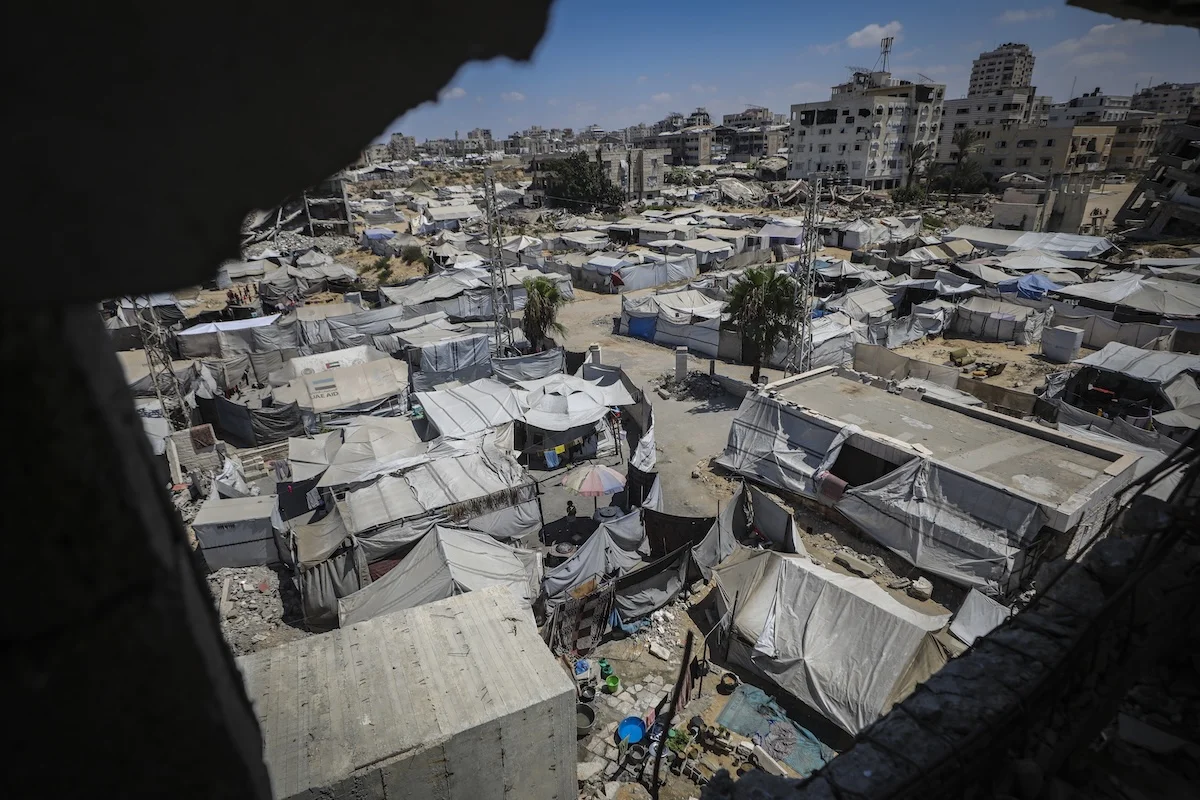









Iran strikes Kurdish opposition groups suspected of involvement in US-backed regime change plan
Reported failed US plan involving Kurdish forces appears to trigger IRGC retaliation
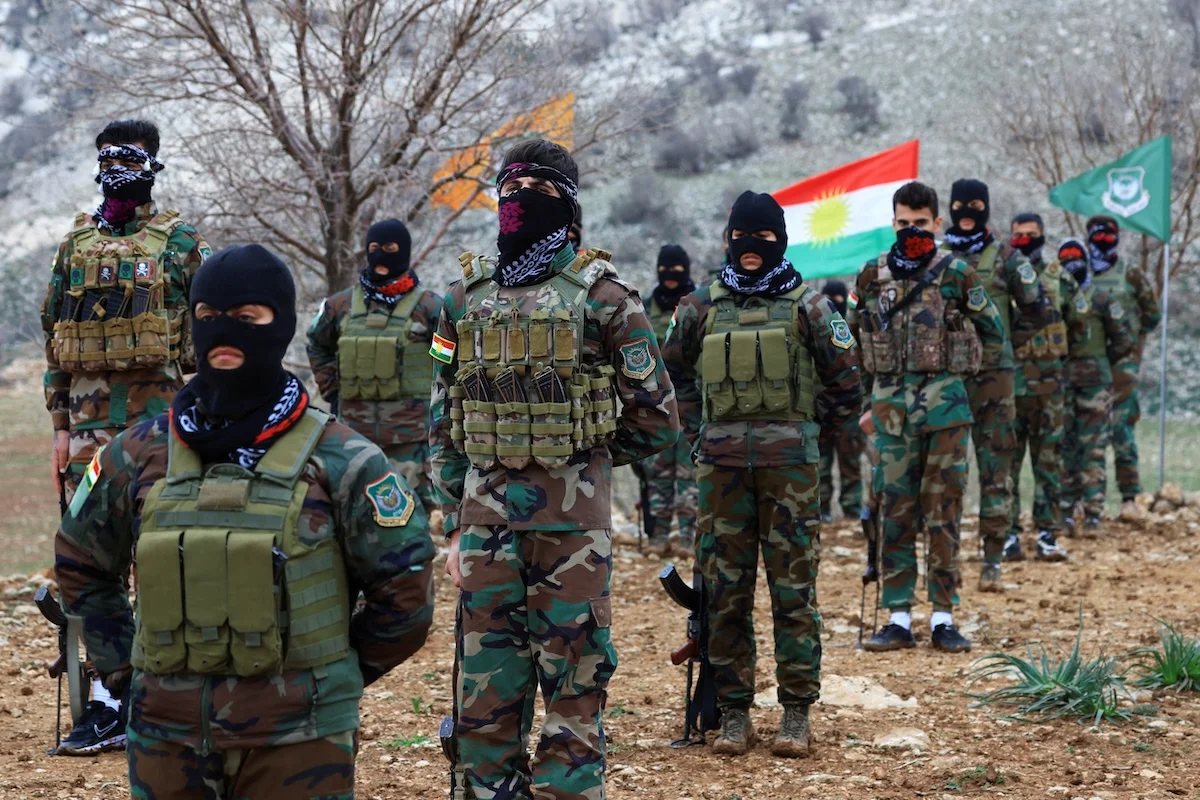
Alongside attacks on U.S. bases in Kuwait, Bahrain, and Jordan, Iran’s Islamic Revolutionary Guard Corps (IRGC) has also targeted sites in Iraq’s autonomous Kurdistan Region in recent weeks, striking both U.S. military assets and Kurdish opposition groups.
The attacks on Kurdish opposition groups appear to be retaliation for the reported willingness of several Kurdish resistance factions to cooperate with the United States and Israel during the military operations launched on Feb. 28.
Early in the conflict, the U.S. reportedly considered using Kurdish resistance groups as part of an attempt to destabilize the Iranian regime while diverting the attention of Iranian security forces, including the IRGC and the Basij militia. According to those reports, such a strategy could have enabled anti-regime protesters to seize control of several cities, potentially paving the way for regime change alongside sustained U.S. and Israeli military operations.
Iran's recent attacks have largely targeted sites in Erbil and Sulaymaniyah, the two largest cities in Iraq's autonomous Kurdistan Region (KRG). While the IRGC has publicly claimed responsibility for attacks on Kuwait, Bahrain and Jordan, it has not done so for the strikes in the KRG, leading some analysts to believe it used Iraqi proxy groups to carry them out.
The Islamic Resistance in Iraq, an umbrella organization for several major pro-Iranian militias, denied the accusation, stating on Saturday, "We have not carried out military attacks against U.S. bases in Iraq or the region in recent days."
Danny Citrinowicz, former head of the Iran branch in the IDF Intelligence Directorate and a senior researcher at the Institute for National Security Studies, told Ynet News, “This time it was Iran itself that carried out the attacks.”
An i24 News report offered more insight into the U.S. and Israeli plan to use the Kurds as part of their regime change plan. Based on discussions with representatives of the Kurdish groups involved, the report said the operation was genuine and that light weapons were transferred to the region. However, most of the weapons reportedly never reached the Kurdish groups, with some apparently remaining in the possession of U.S. forces in northern Iraq.
The Kurdish groups also stated that they were prepared to enter Iranian territory to engage IRGC and Basij forces, with air support from Israel and the United States.
That plan was canceled at the last minute due to Turkish pressure, i24 News reported, citing the Kurdish sources. The Kurdish groups said that Turkish President Recep Tayyip Erdoğan opposed strengthening Kurdish opposition groups near Turkey's border and was also concerned that the fighting would trigger a new influx of refugees.
Turkey absorbed over 3 million refugees during the Syrian Civil War and the fight against ISIS.
Following the mid-April ceasefire, Hebrew media reported that Israeli officials blamed U.S. Vice President JD Vance for leaking the plan to Turkish leaders. Kurdish officials interviewed by i24 News appeared to support that account, claiming Vance alerted Ankara before Kurdish militias could cross into Iran.
Vance's office has denied the reports. Since the ceasefire, however, the vice president has publicly criticized the war, particularly Israel's objectives in the joint military campaign.
U.S. President Donald Trump recently said that he stopped Erdoğan from entering the war on the side of Iran, an apparent reference to the Turkish resistance to Kurdish participation in the Iran conflict.
“He was a prime candidate to go into the war with Iran – maybe on the Iran side, because he’s not a big fan of Israel,” Trump said. “I asked him to stay out. He stayed out.”
An Iranian drone strike near Erbil on Sunday wounded eight Kurdish-Iranian rebels from the Kurdistan Freedom Party (PAK), a spokesman for the group said. PAK was among the Kurdish opposition groups that had reportedly held talks with Washington about participating in a potential invasion of Iran.
A similar drone strike last Friday killed nine members of the Komala Party, another Iranian Kurdish opposition group that was reportedly collaborating with the U.S.
Iranian Foreign Ministry spokesman Esmaeil Baghaei said that Iranian attacks in northern Iraq were targeting “American military bases and facilities.”
“Iran's defensive operations target American military bases and facilities used to plan, prepare and conduct military operations against Iran, as well as assembly points, military installations and bases used by anti-Iranian elements located in neighboring countries," he said.
Baghaei said Iran was acting in the interests of the “shared security of Iran and Iraq.”
“We have a security agreement with Iraq, and we are acting to ensure that Iraqi territory and the Kurdistan region are not exploited to organize, plan or prepare hostile armed operations against Iran.”
Popular article:
interview Easter message of resurrection hope amid war at Jerusalem's Garden Tomb

biblical commentary Let my people go: a Passover message for today
4 IDF soldiers killed, 2 wounded in fighting in southern Lebanon, as Israel eliminates dozens of Hezbollah terrorists
Receive latest news & updates
A message from All Israel News
Help us educate Christians on a daily basis about what is happening in Israel & the Middle East and why it matters.
For as little as $10, you can support ALL ISRAEL NEWS, a non-profit media organization that is supported by readers like you.
Latest articles:
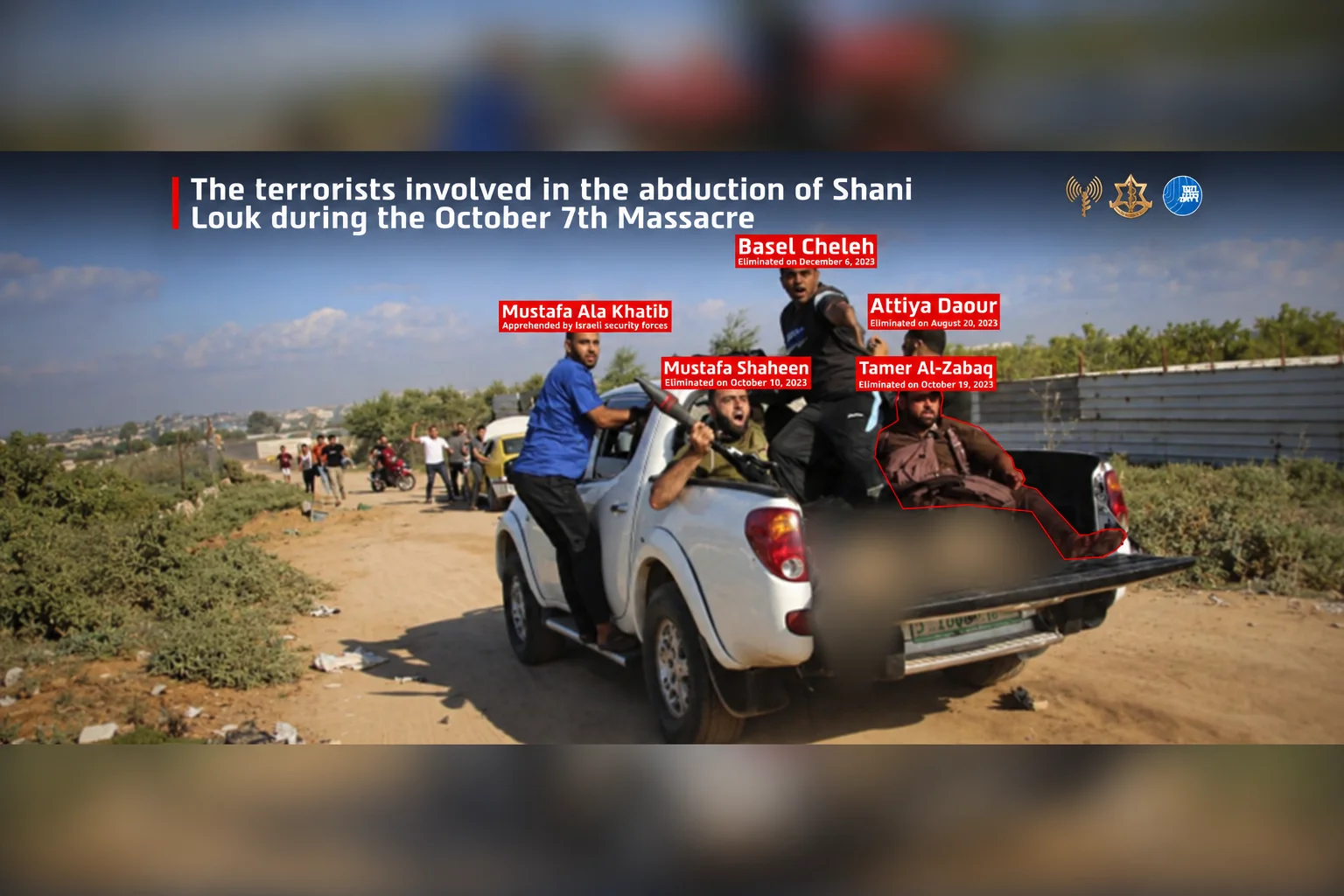
IDF kills Hamas terrorists involved in abduction of German-Israeli Shani Louk on Oct 7
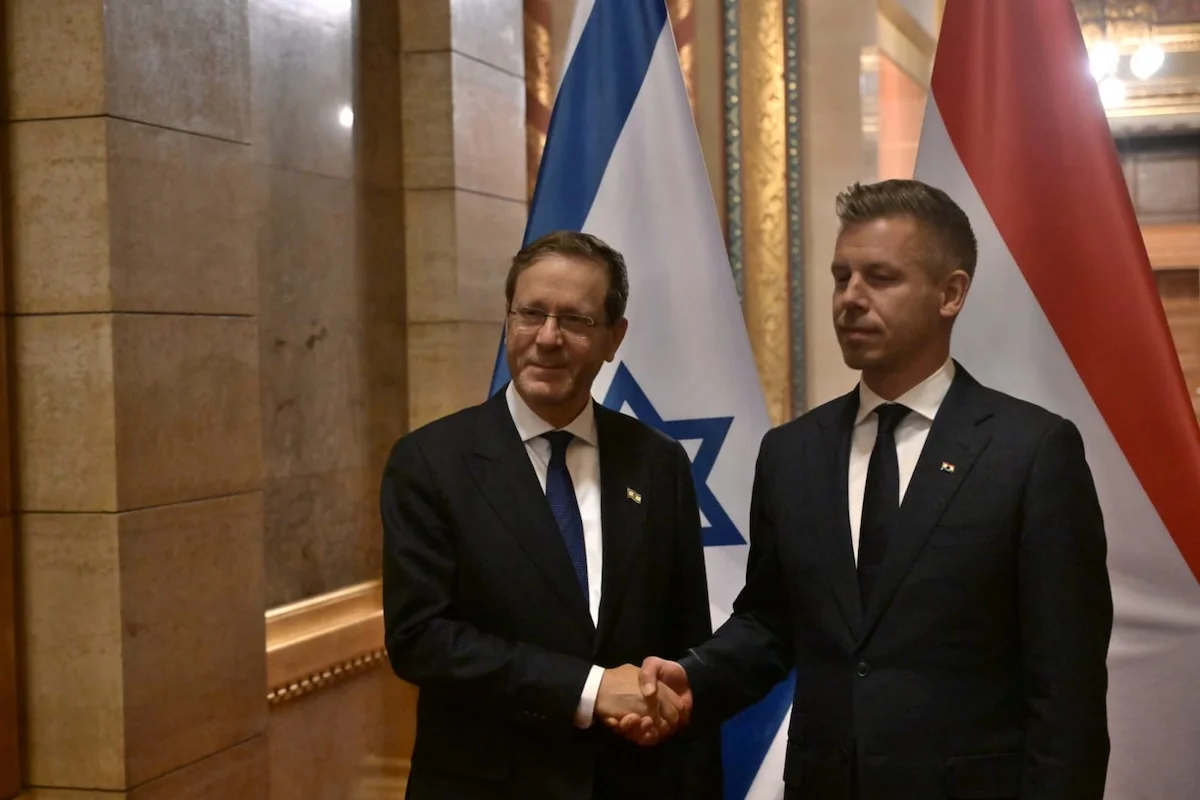
Hungary reaffirms ties with Israel during Herzog visit, condemns antisemitism
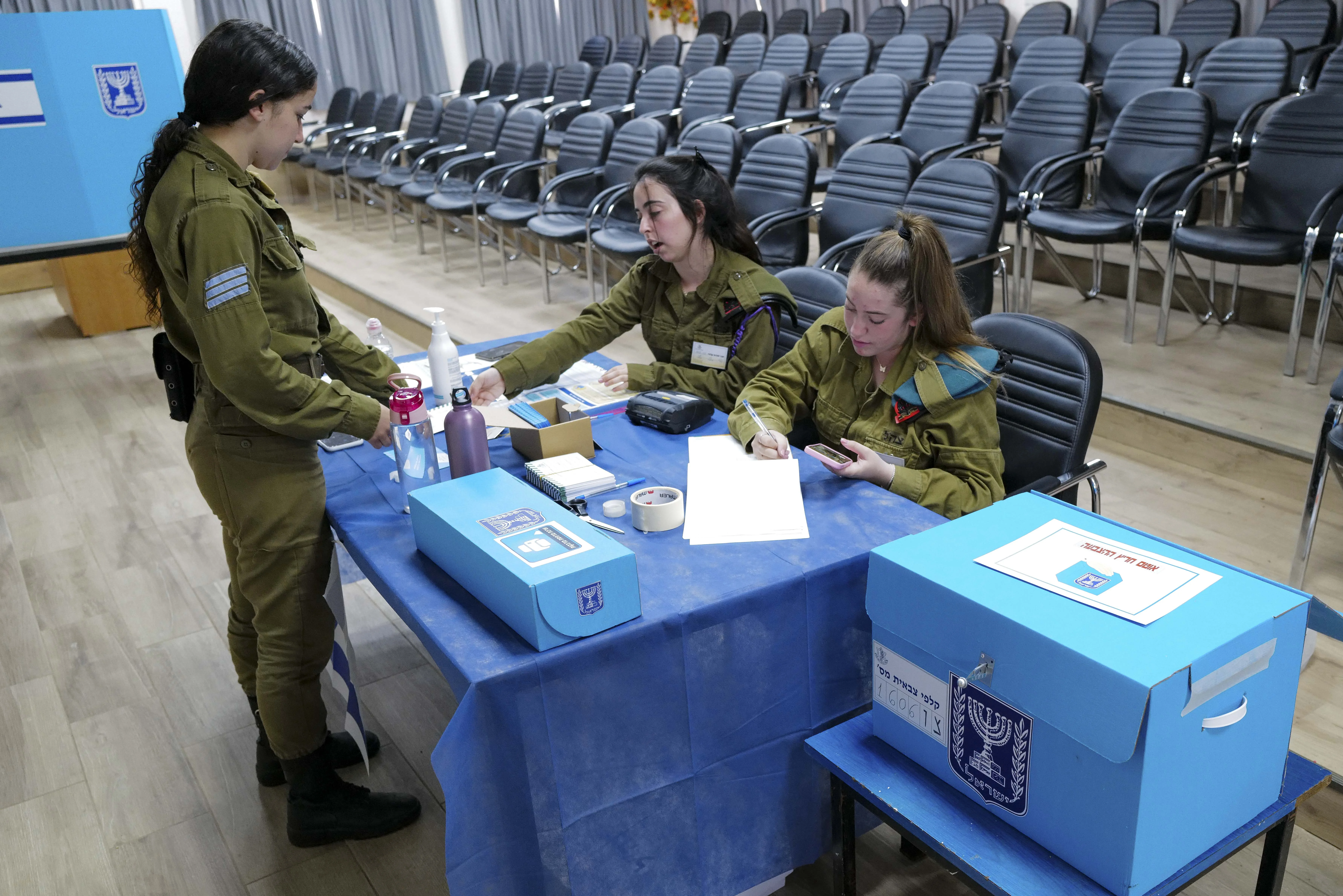
Elections 2026 IDF soldiers begin voting as poll shows most Israelis have settled on a party
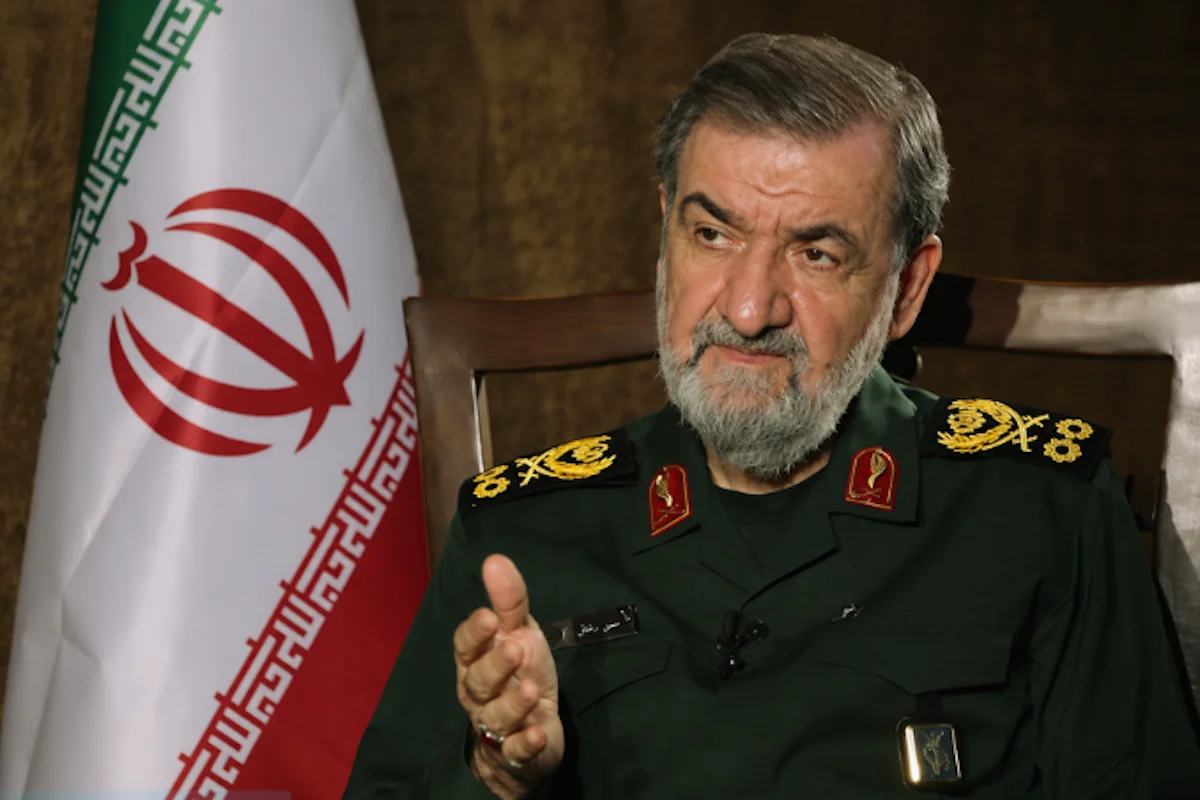
Top Iranian security official says ‘not one particle of uranium will leave,’ says US must accept Iranian terms for negotiations

Israeli health-tech startup uses AI to unlock medical data, identify patients at risk of disease