Experts warn proposed US-Saudi nuclear deal could spark Middle East arms race



Nuclear experts are concerned that Saudi Arabia could gain access to uranium with weapons-grade potential under a multibillion-dollar agreement with the United States.
The agreement reportedly focuses on transferring American civilian nuclear know-how and capabilities to the Saudi Kingdom. A congressional document revealed that the Trump administration has sought to reach some 20 nuclear commercial deals with other nations, including Saudi Arabia. The document states that a potential deal with the Saudi Kingdom “will advance the national security interests of the United States, breaking with the failed policies of inaction and indecision that our competitors have capitalized on to disadvantage American industry and diminish the United States' standing globally in this critical sector.”
However, some experts are concerned that the Saudi government could potentially use this nuclear knowledge for military purposes, including the development of nuclear weapons.
“Nuclear cooperation can be a positive mechanism for upholding nonproliferation norms and increasing transparency, but the devil is in the details,” stated Kelsey Davenport, the director of Nonproliferation Policy at the Washington-based Arms Control Association. There are reportedly “concerns that the Trump administration has not carefully considered the proliferation risks posed by its proposed nuclear cooperation agreement with Saudi Arabia or the precedent this agreement may set.”
Both U.S. President Donald Trump and former U.S. President Joe Biden have reportedly sought to advance agreements that would share U.S. civilian nuclear technology with Saudi Arabia and other countries. However, some experts caution that Saudi Arabia could seek to use such capabilities for military purposes, particularly in response to the nuclear threat posed by Iran if it were to move toward developing nuclear weapons.
For years, analysts have warned that if Iran’s clerical leadership were to obtain nuclear weapons, it could spark a broader arms race across the already volatile Middle East.
Israel is widely regarded as the only nuclear-armed state in the region. Its nuclear capability is generally viewed as a deterrent, and it has not led to a regional nuclear arms race.
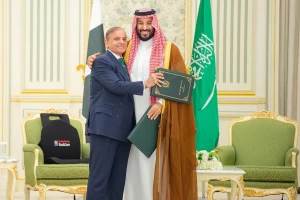
In September 2025, Saudi Arabia signed a formal defense pact with the nuclear-armed state of Pakistan “to develop aspects of defense cooperation between the two countries and strengthen joint deterrence against any aggression,” according to a joint statement.
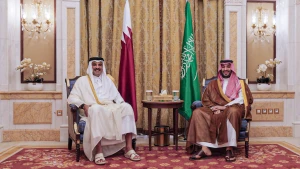
Some commentators have noted that Saudi Arabia and Pakistan signed their defense agreement shortly after the Israeli military strike on Hamas’ headquarters in Qatar. However, former American diplomat Zalmay Khalilzad, who has dealt with Pakistan and Afghanistan, questioned whether the agreement was a response to Israel’s reported strike in Qatar or evidence of longstanding claims that Saudi Arabia has quietly supported Pakistan’s nuclear program.
He also wrote on 𝕏: “Is the agreement an indication of declining confidence in US deterrence and defense on the part of Saudi Arabia and perhaps others? Pakistan has nuclear weapons and delivery systems that can hit targets across the Middle East, including Israel. It also is developing systems that can reach targets in the U.S. Many questions…dangerous times.”
You might also like to read this: