Trump rejects Iran’s 7-day ceasefire proposal, could resume strikes after midterms




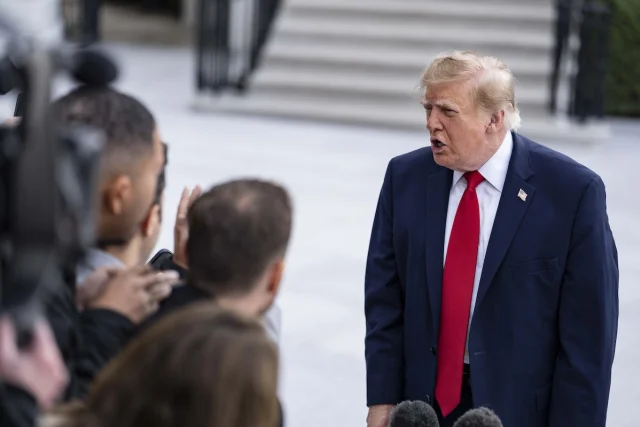
U.S. President Donald Trump confirmed Saturday that he had rejected Iran’s proposal for a seven-day ceasefire, speaking to reporters outside the White House.
U.S. officials told The Wall Street Journal that Trump is likely to order new strikes on Iran after the U.S. midterm elections
Under the reported Iranian proposal, Tehran would reopen the Strait of Hormuz and resume nuclear negotiations in exchange for Washington lifting its blockade, releasing frozen Iranian assets and easing oil sanctions. The reciprocal measures could be implemented within seven days, according to the report.
Trump has repeatedly signaled that he prefers a deal over continued military conflict. However, with the Iran war reportedly unpopular in the United States, he is said to be reluctant to return to major combat operations against Tehran, particularly before the midterm elections.
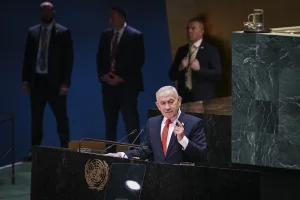
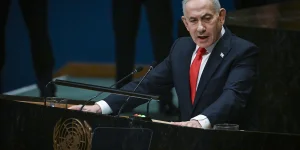
Trump devoted much of his UN General Assembly speech last Thursday to the Iran crisis.
“I have a big decision to make,” Trump told world leaders at the UN headquarters in Manhattan, New York. Trump, who is serving his second and final presidential term, emphasized that re-election considerations would not ultimately guide his decisions on Iran
“The Republican Party is running, and I’ll be helping them, but I am not running. I gave absolutely no credence and will not give credence through the election when it comes to Iran,” Trump said. “The only thing that does is that Iran will never have a nuclear weapon,” he added.
On Feb. 28, the U.S. and Israel launched joint military strikes against Iran and its military assets as part of Operation Epic Fury. Iran’s former supreme leader, Ali Khamenei was eliminated, along with some 40 senior Iranian officials, in the opening Israeli strike on the supreme leader’s compound in Tehran.
The U.S. and Israeli militaries also degraded significant elements of Iran’s nuclear, missile, naval and air capabilities. However, the weakened Iranian government did not collapse and responded with attacks on Israel, U.S. military bases and several Arab and Muslim countries in the region. Tehran also imposed a blockade on the strategically important Strait of Hormuz, through which a significant portion of the world’s energy supplies passes.
Following a ceasefire in April, the Trump administration has said its main priorities are preventing Tehran from developing nuclear weapons and reopening the Strait of Hormuz. Washington and Tehran have since alternated between indirect talks and military exchanges.
While Trump rejected Tehran’s latest proposal, an unnamed U.S. official said indirect talks between Washington and Tehran would continue through mediating countries. Qatar and other mediators have reportedly sought to revive negotiations between the two sides.
Tehran has reportedly demanded that Washington lift its maritime blockade in exchange for reopening the Strait of Hormuz. Trump, meanwhile, reportedly seeks to maintain the blockade as leverage in the negotiations.
The Iranian regime is reportedly divided over talks with Washington. While hardliners in Tehran oppose negotiations, there are also concerns that a military escalation with the United States could further undermine the regime amid its economic crisis and widespread unrest.
You might also like to read this: