Only 541 Christians remain in Gaza, leaders warn of an uncertain future





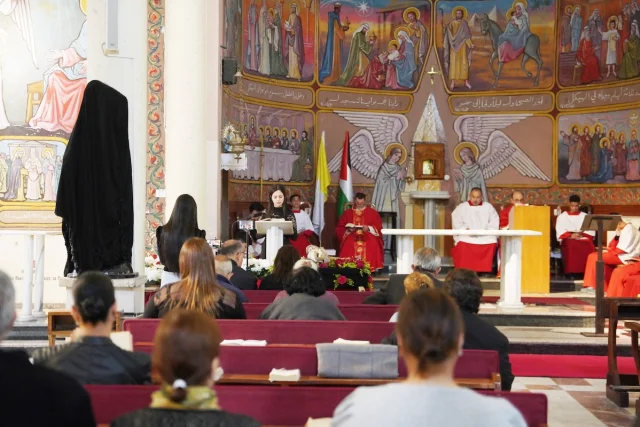
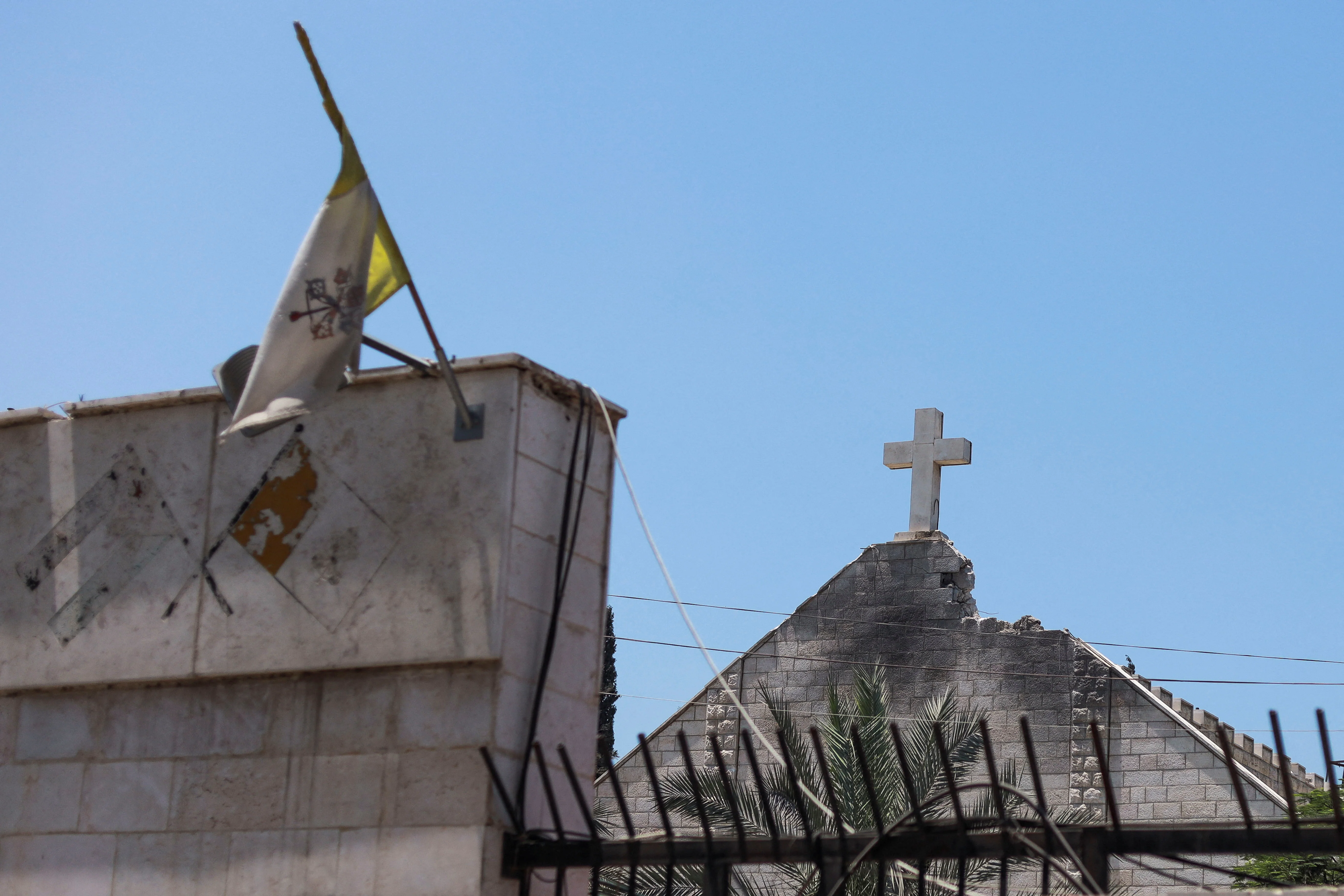
It came to light not long after the Hamas attack in Israel on Oct. 7, 2023, that around 1,000 Christians were living in the Gaza Strip and were in urgent need of assistance. Today, according to the Latin Patriarchate of Jerusalem, just 541 remain, raising questions about the viability of their future as a community.
George Akroush, director of the Latin Patriarchate Development Office, wrote an open letter on Aug. 21 about the situation, asking Christians around the world to support Christians in Gaza and the Palestinian territories.
Akroush wrote that many Christians had been killed during the war, while others had fled. Yet, many of those who remained feel a strong calling to stay in the land where they grew up and were simply seeking “the opportunity to live, work, raise their children, and practice their faith with dignity in the land where Christianity began.”
Last May, Khalil Sayegh, an Evangelical Palestinian man who grew up in Gaza, said the situation was “very dire.”
Sayegh, now living in the United States, told ALL ISRAEL NEWS, “We are talking about less than 600 Christians left in Gaza. It used to be 1,500 before. Those who could leave have already left in May.”
The Christian community in the Gaza Strip is not only facing the horrors of war without bomb shelters, functioning medical services, or basic necessities, but like Christians in the West Bank, their troubles have been compounded by religious persecution. Many left the Strip following the murder of Bible Society Manager Rami Ayyad in Gaza City in 2007, and a sizable community of those Christians now live in Bethlehem.
Not only have there been significant hurdles to getting aid to the remaining Christians in Gaza through Egyptian checkpoints, and due to the dangerous and chaotic situation on the ground, but the challenges they are facing going forward seem immense.
Together with Palestinian Christians in the West Bank, Christians in Gaza face an unemployment rate of 54% – roughly twice the national average, according to Akroush. The resulting financial hardship is driving some Palestinian Christians to leave, even when they would prefer to remain.
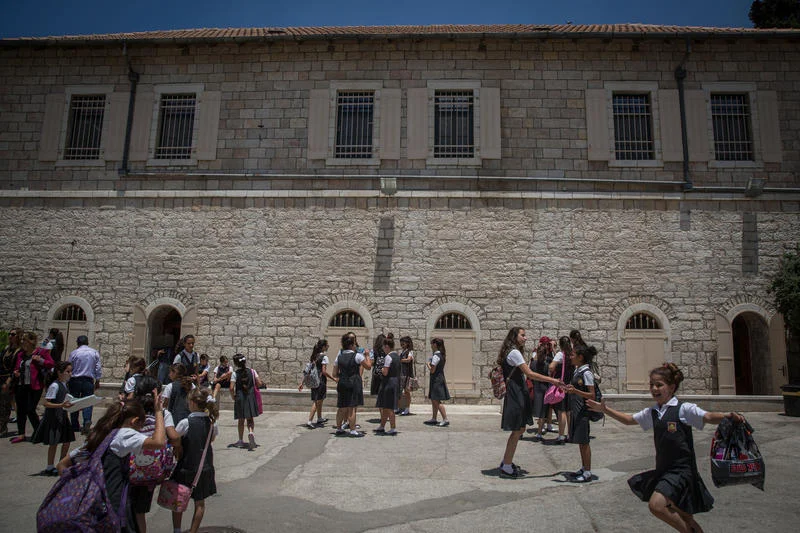
At a time when Israeli children are returning to school, Akroush highlighted the contrast between the excitement and anticipation other families in the region are experiencing and the “overwhelming anxiety” for Christian families in Gaza. Yet education is imperative for the next generation to thrive.
Thousands of Gazan children have had their education disrupted due to the humanitarian crisis. The Latin Patriarchate’s "Back-to-School" Initiative seeks to cover education-related costs and help ensure that children can continue learning and preparing for their futures.
Another initiative to ease the education crisis and provide care for the children in Gaza is the Israeli non-profit NATAN, which is dedicated to providing healthcare and education for tens of thousands of children through their partner, Gaza Children Village.
“They come to the academy in the morning. They receive hate-free schooling, they receive a hot meal from World Central Kitchen, and they receive medical treatment from NATAN Worldwide disaster relief,” CEO Alice Miller told ALL ISRAEL NEWS, explaining that it was all done with the approval of Israel's Coordinator of Government Activities in the Territories (COGAT).
Whether such measures can stem the flow of those wanting to flee remains to be seen.
“When a young person finishes university or vocational training and finds little prospect of employment, emigration can become difficult to avoid. Leaving the land of one’s ancestors means leaving behind not only a home, but also a part of who they are – the story they have inherited and are called to witness to, and, in a sense, their vocation,” Akroush emphasized.
“Many feel trapped, with no viable alternative,” he added. “This painful reality raises a profound question: what happens when an entire generation begins to believe that its future lies elsewhere?”
Christians in Gaza are clearly facing a crisis of epic proportions, but the economic situation is also bearing down heavily on those in the Palestinian territories who depend on the tourism industry for their livelihoods.
“For generations, Christian craftsmen, hotel workers, shopkeepers, tour guides, drivers, and restaurant owners have relied on pilgrims coming to the Holy Land. With tourism largely paralyzed, countless livelihoods have disappeared almost overnight,” Akroush stressed.
He contemplated the possibility of “a Holy Land without Christians,” saying that it should deeply concern believers around the world, but failed to recognize in his letter that there are many Evangelical believers who live in Israel and the Palestinian territories.
Similar to the recent Church of England’s General Synod, Akroush airbrushed tens of thousands of Israeli Evangelical Arab believers and Messianic Jews out of the picture entirely, sidestepping the fact that there are huge numbers of people in the Holy Land following Jesus.
His concern that the birthplace of Christianity could become an empty museum of archaeological sites devoid of “living stones” might be unwarranted, but the fact remains that there is indeed a crisis of history, identity, and faith for Palestinian Christians at this time – especially in Gaza.
“Even amid this devastation, some choose to remain. They pray without ceasing. They care for one another. They endure. Their presence is a daily act of courage,” said Akroush.
Support our independent, on-the-ground reporting from Israel. Become a $5/month Ally.

You might also like to read this: