Israeli intelligence hacked Tehran traffic cameras years earlier to spy on Khamenei, top officials – report
Mossad gathered vast amounts of data on leaders and bodyguards which enabled the critical strike




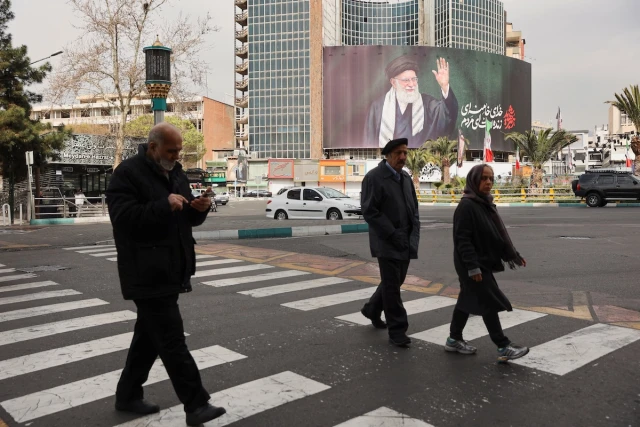
Israel’s Mossad hacked traffic cameras in Tehran for years in order to build up an intelligence profile on the movements and patterns of Iranian Supreme Leader Ayatollah Ali Khamenei and other senior regime leaders, The Financial Times reported.
The intelligence agency gained access to the city’s traffic cameras, which are often used by the regime to spy on its own citizens, in order to track the movements of senior leaders and their bodyguards. The images from the cameras were encrypted and transmitted to Israel's intelligence services, the report said, citing two sources familiar with the operation.
The report claimed that Israel used artificial intelligence tools, including complex algorithms, to identify and sort the vast amounts of information gathered about the Iranian leadership, including schedules of the security guards, the figures they usually guarded, their work hours, travel patterns, and home addresses.
Interestingly, one traffic camera provided valuable information, showing where many of the bodyguards preferred to park their cars, adding to the bevy of knowledge about the leaders and those paid to keep them safe.
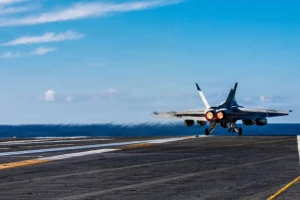
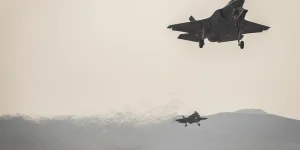
The intelligence provided by the traffic cameras helped prepare the groundwork for the opening strikes of Operation Roaring Lion.
However, Israel’s intelligence operation with the traffic cameras was not the only source of information available to Israel and the U.S. regarding Khamenei’s location on Saturday morning. Israel had also compromised around a dozen mobile phone towers near the compound where Khamenei was killed, allowing them to block phone calls or messages to people in the area, thus preventing them from receiving possible warnings.
The United States also had human intelligence that confirmed the meeting that morning, allowing the final decision to launch the operation to be made with high certainty.
One Israeli intelligence source told the Times, “We knew Tehran like we know Jerusalem. And when you know [a place] as well as you know the street you grew up on, you notice a single thing that’s out of place.”
The dense stream of information from the hacked cameras and signal systems posed its own challenge, which Israel’s 8200 Military Intelligence Unit handled, enabling the creation of daily intel briefs.
According to the report, Israeli intelligence used a mathematical method known as social network analysis to analyze all the data and identify clear targets.
When both U.S. and Israeli intelligence identified that Khamenei would be holding a meeting with senior officials at his offices on Saturday morning, the two countries recognized the unique opportunity to carry out a decapitation strike. They assessed that trying to eliminate those same leaders later in the conflict would be much harder, so they chose to strike during the daytime.
The IDF later said that conducting a daytime strike, which it had not done in Iran before, allowed it to “achieve tactical surprise.”
“The decision to strike in the morning rather than at night allowed Israel to achieve tactical surprise for the second time, despite heavy Iranian preparedness,” the IDF said in a statement.
You might also like to read this: