First-ever local butterfly ‘Red List’ signals environmental warnings for Israel



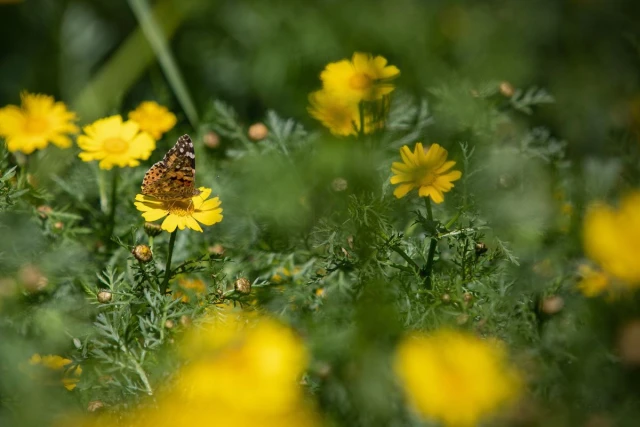
Israel has published its first-ever local Red List on butterflies, revealing that three of the country’s 156 known butterfly species are extinct and nearly half are endangered or at risk. Given that butterflies serve as early warning indicators of their ecosystem, the list sounds the alarm on Israel’s warming, drying climate and rapidly shrinking natural areas.
The local Red List is named after the International Union for Conservation of Nature’s Red List, the world’s most comprehensive source on species conservation, whose guidelines it follows. Dotan Rotem, open-space ecologist at the Israel Nature and Parks Authority, in a recent interview with The Times of Israel, referred to it as a “wake-up call” .
“Preserving butterflies is not just about preserving beauty and color, but about the stability and health of the ecosystems on which we all depend,” said Rotem, explaining that the number of butterfly species at risk is rising as habitats continue to shrink.
According to the Red List findings, four in ten butterfly species in Israel face some level of threat: 3 are already extinct, 12 are critically endangered, 23 are endangered, 22 are vulnerable, and 13 are low risk. In turn, 63 local butterfly species are not at risk, and 20 species are either data-deficient or have not been evaluated yet.
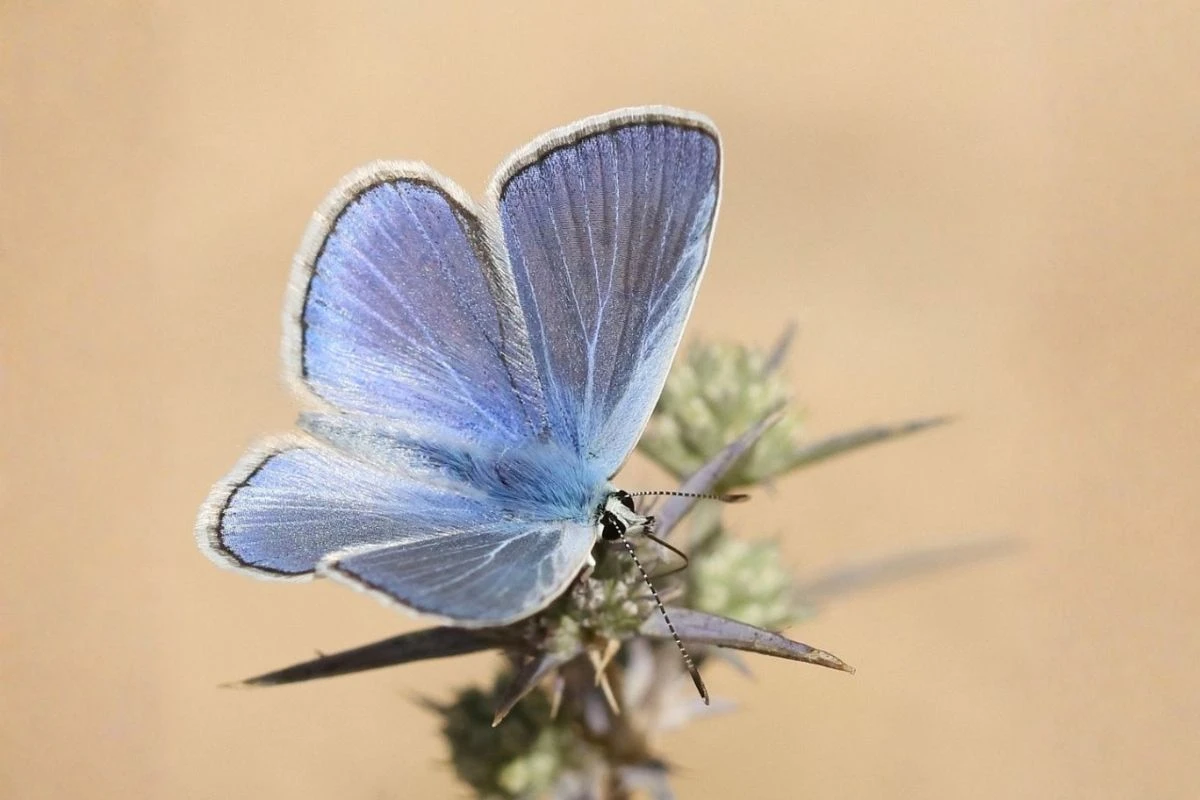
Habitat loss is the greatest threat to butterflies in Israel, with about 18 square kilometers (nearly 7 square miles) of natural land cleared for construction and agriculture each year. Israel is warming faster than the global average, with temperatures rising by 1.7 degrees Celsius (3.1 degrees Fahrenheit) over the past 30 years, according to the Israel Meteorological Service. Meanwhile, the rainy season is arriving later and becoming shorter, while the country is experiencing more frequent and widespread wildfires.
“Butterflies serve as biological indicators (bioindicators) for assessing the condition of habitats,” the Israel Nature and Parks Authority states. It explains that, as caterpillars, they rely on specific plants to survive, and as butterflies, they pollinate wild plants. Therefore, when development, pesticides, or climate change disrupt that two-way relationship, butterfly declines reveal deeper stress across the entire ecosystem.
The Israel Nature and Parks Authority published the Red List in partnership with other organizations on the occasion of Tu B’Shvat, observed this year on Feb. 2. It also provides species-specific recommendations, from expanding habitat protection and implementing sustainable conservation practices to curbing harmful human activities like pesticide use.
This is Israel’s first Red List for insects and is expected to pave the way for additional species in the future.
You might also like to read this: