Elite scholars of Jerusalem: Nakdimon and Yosef of Arimathea in the wake of Yeshua
Part Six of the 'Real People of the New Covenant' series




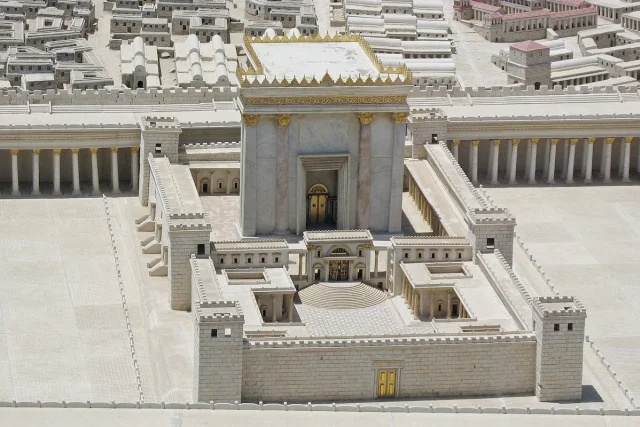
This article is part of Real People of the New Covenant: Lives Behind the Names, a series by ALL ISRAEL NEWS that contextualizes the historical figures of the biblical narrative. Exploring the history and archaeology of the Land offers an objective framework for reading the text, grounding distant figures within their concrete environment.
As the Gospel narrative moves beyond the taxed roads of Galilee and the fiscal hubs of Jericho, it enters the stone courts and scholarly halls of Jerusalem. Here, decisions are made not at toll booths or quays, but within the institutional world of the Second Temple period, where legal debates, ritual authority, and ancestral precedent shaped public life. Within this setting, two figures emerge whose lives are woven through the city’s ruling structures: Nakdimon (Nicodemus) and Yosef of Arimathea.
A council scholar comes to Yeshua in the night
The Gospel of John introduces Nakdimon with a compact description: “Now there was a Pharisee, a man named Nicodemus who was a member of the Jewish ruling council. He came to Jesus at night…” (John 3:1–2). This brief notice places him at the intersection of three identities – Pharisee, “ruler of the Jews,” and likely member of the Sanhedrin, the Jerusalem council associated with legal and religious judgment.
His visit “by night” suggests caution rather than open allegiance. Unlike the fishermen of Galilee or the toll collectors at roadside booths, Nakdimon approaches Yeshua in the privacy of darkness, carrying with him the language of the scholarly elite: law, signs, interpretation, and the authority of tradition. Yeshua addresses him not as a novice but as “Israel’s teacher,” confronting him with ideas that stretch beyond the categories of formal instruction – birth “from above,” Spirit, and the lifting up of the Son of Man in language that recalls Moses and the bronze serpent.
Appeal within the Sanhedrin
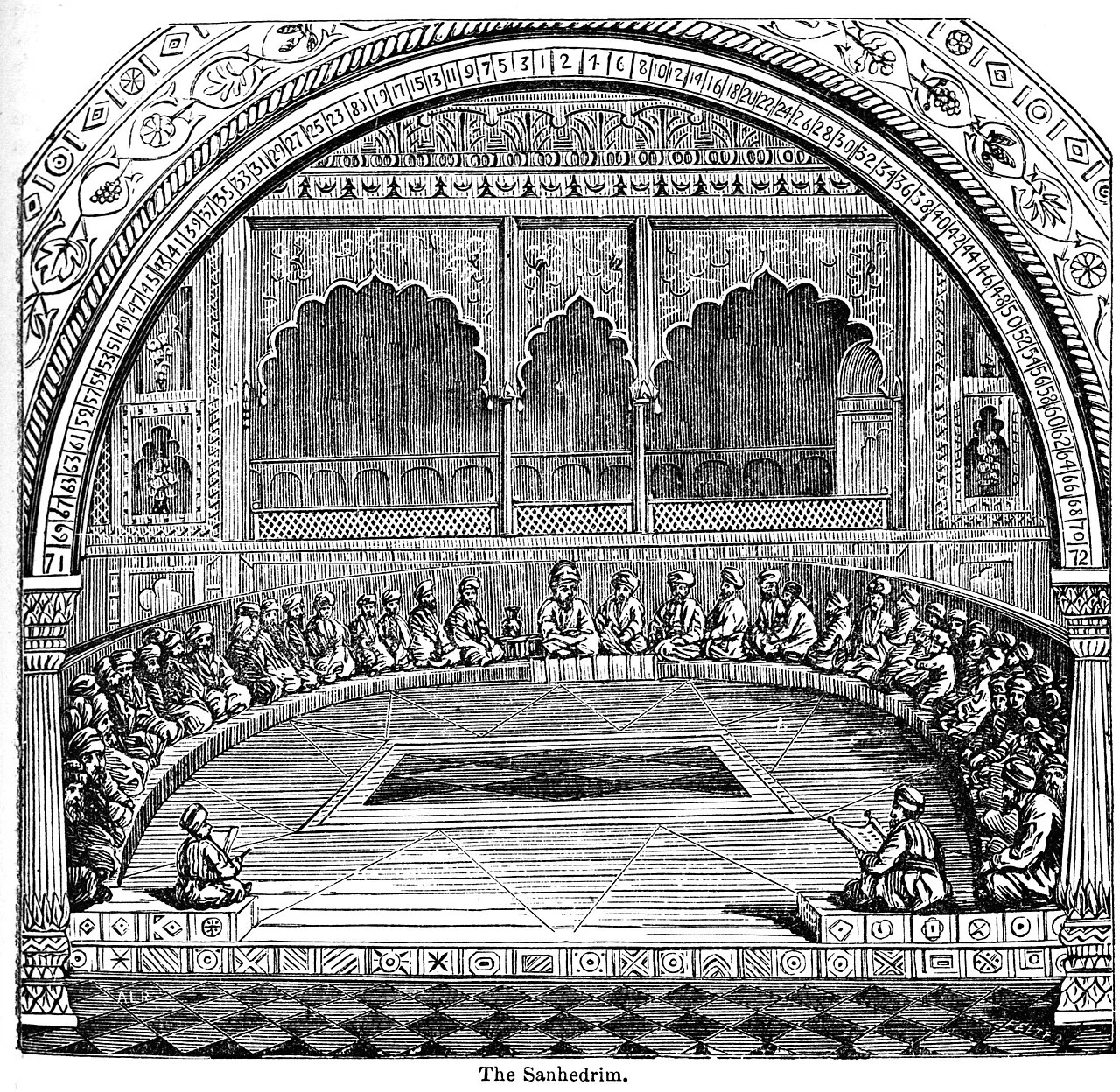
Nakdimon appears again when Jerusalem’s authorities debate Yeshua’s growing influence. In John 7, officers sent to arrest Yeshua return without Him, and some voices in the circle dismiss Him as a Galilean pretender. At that point, Nakdimon intervenes with a legal question: “Does our law condemn a man without first hearing him to find out what he has been doing?” (John 7:50–51). It is a measured statement, but it reveals a scholar appealing to due process from within the very body inclined to reject Yeshua. The Greek form of his name, Nikodemos – ‘victory of the people’ – carries an intriguing resonance here: he is the council insider who insists that the institutional voice of the people must not silence truth without a hearing.
His final appearance comes after the crucifixion. John reports that Nakdimon joins Yosef of Arimathea to prepare Yeshua’s body for burial, bringing a large quantity of myrrh and aloes and helping wrap the body in linen according to Jewish burial custom (John 19:39–40). For a man who first came under cover of night, this is a striking development: Nakdimon now appears publicly, attaching his status and resources to the burial of a condemned teacher.
Yosef of Arimathea: a wealthy dissenter with a tomb
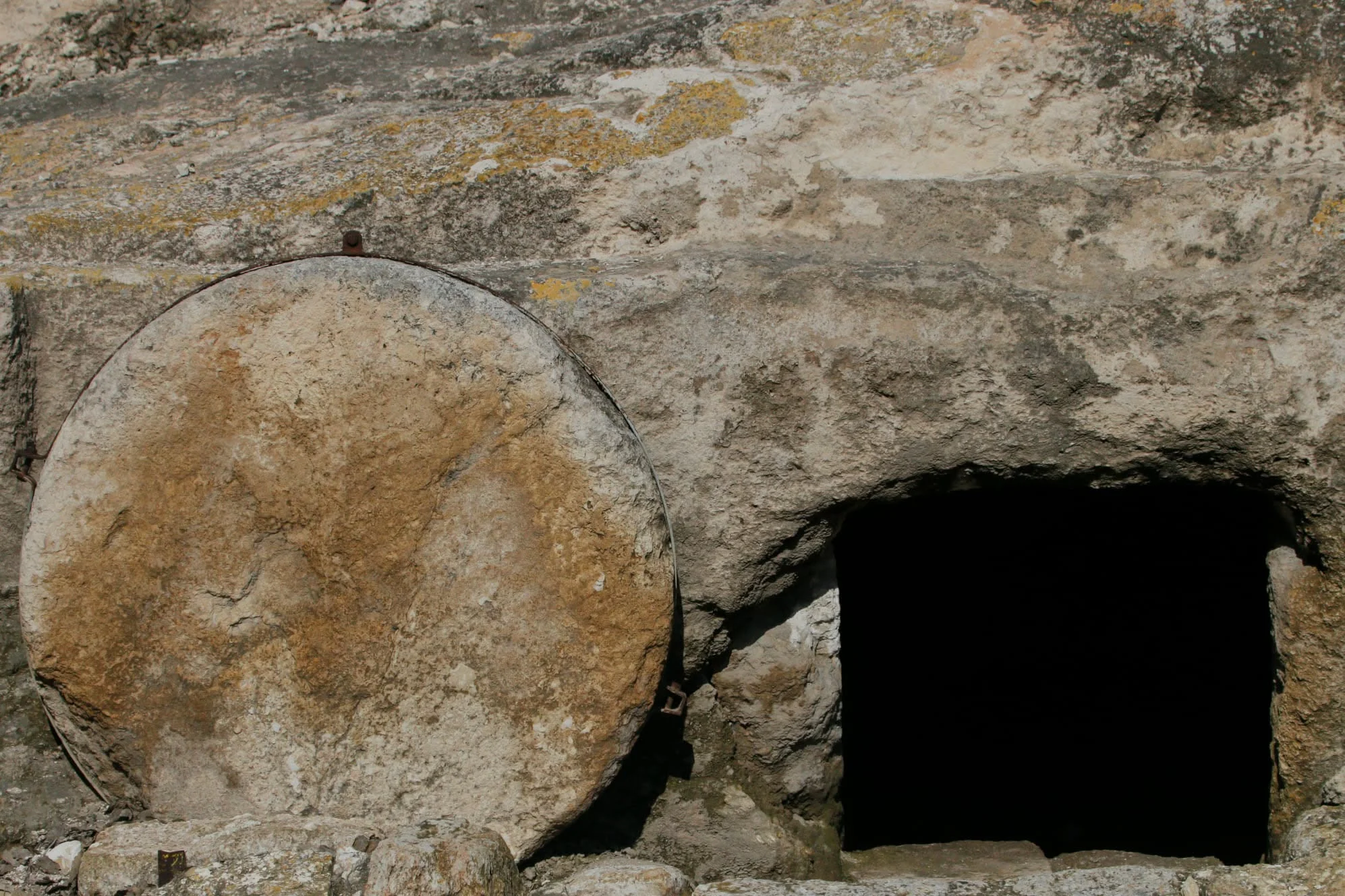
The Gospels describe Yosef of Arimathea as a wealthy and respected member of the council, a man portrayed as “good and righteous” who had not consented to the decision against Yeshua. Matthew presents him as “a rich man from Arimathea” and states that he placed Yeshua in a new tomb cut into the rock, a tomb likely prepared for himself and his household (Matthew 27:57–60). In Hebrew, the name Yosef (‘May He add’ or ‘May He increase’) gives this act a fitting resonance: the ‘increase’ associated with his own household and status is turned toward honoring one condemned by the city’s authorities. John adds that he was a disciple of Yeshua secretly, because he feared the Jewish leaders, and that he approached Pilate to request the body (John 19:38).
These details place Yosef firmly inside Jerusalem’s establishment. He belongs to the same council implicated in Yeshua’s condemnation, yet personally distances himself from that judgment and uses his rank to secure an honorable burial. In a city where rock-cut tombs of the elite marked wealth, family continuity, and status, Yosef’s decision to offer “his own new tomb” signals both privilege and identification. He turns access, influence, and material resources toward an act of public respect at precisely the moment when association with Yeshua had become dangerous.
Two insiders at the edge of their own institution
Nakdimon and Yosef stand near the edge of the same institutional world. Both are linked to the ruling council, both move cautiously at first, and both ultimately take visible risks in relation to Yeshua’s fate. In this sense, they mirror, in a Jerusalem key, the pattern already seen among the fishermen and toll collectors: men shaped by strong social systems – cooperatives, tax booths, councils – who find themselves reoriented by Yeshua’s presence and words.
The difference lies in the terrain. In Galilee and along the Jordan Valley, the story turns on boats, roads, tolls, and market flows; in Jerusalem, it unfolds within councils, burial customs, and the interpretive world of the Second Temple period. Nakdimon’s insistence on a legal hearing and Yosef’s decision to claim responsibility for Yeshua’s burial show how members of the city’s educated and governing classes could allow their legal and social capital to serve one whom many in their own circles distrusted.
The historical record and later traditions
After the burial, neither Nakdimon nor Yosef of Arimathea reappears in the canonical narratives. Later traditions and legends try to extend their stories, but the earliest sources leave only a brief and concentrated portrait, as studies on Nakdimon and Yosef of Arimathea highlight: two men of learning, means, and status who step forward when many others fall silent. Their actions do not erase the role of the wider institution in Yeshua’s death, but they do show that responses within Jerusalem’s leadership were not uniform.
Seen alongside the maritime partners of Galilee and the toll collectors of Capernaum and Jericho, Nakdimon and Yosef add another layer to the series’ mosaic: elite scholars and council members whose cautious questions and costly acts of respect show how Yeshua’s impact reached into the highest levels of Jewish society in the Second Temple period. From here, the narrative can begin to trace how His story was carried further – through households, networks of support, and quiet acts of loyalty that continued to move between city and countryside long after the courts of Jerusalem had rendered their verdict.
Real People of the New Covenant Series
Part One: Zeḥaryah and Elisheva in the Book of Luke reveal Temple-era priestly life
Part Two: Yoḥanan the Baptist – the dissident of the priestly elite
Part Three: Miryam and Yosef: From Nazareth’s workshops to the ministry of Yeshua
Part Four: Maritime partners of Galilee: Inside the world of the first 'fishers of men'
Part Five: The toll collectors: Yeshua’s call in the heart of Galilee’s tax system
You might also like to read this: