Colombia recognizes Israeli sovereignty over Golan Heights, becoming 2nd country in the world alongside US




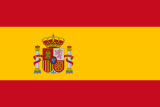
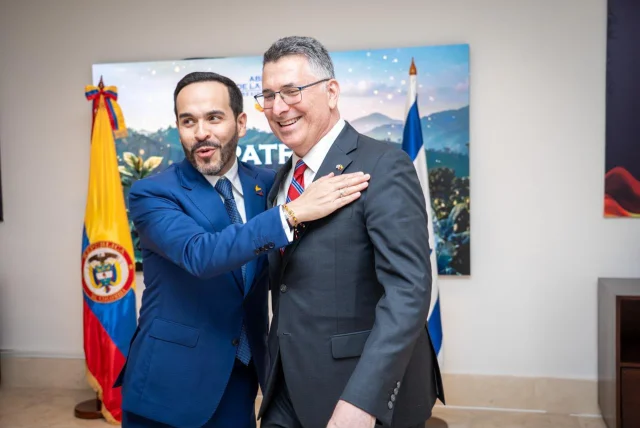
Colombia became the second country in the world to recognize Israel’s sovereignty over the Golan Heights on Monday, announcing that it affirms that "Israel’s control and sovereignty over the Golan Heights constitutes an essential component of its national defense.”
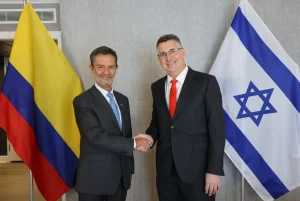
Foreign Minister Gideon Sa’ar, who attended the inauguration of the country’s new, vocally pro-Israel president Abelardo de la Espriella just last week, praised the decision.
“I thank Colombia and my good friend, Colombian President Abelardo de la Espriella, for his historic decision to recognize Israeli sovereignty over the Golan Heights, following our meeting in Barranquilla, Colombia, last Thursday.”
Sa’ar noted that this was among the first decisions the new president made, and “demonstrated his leadership, his values, and his commitment to Israel and to Israel’s security.”
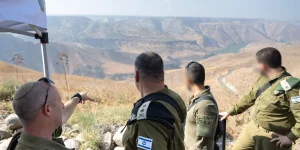
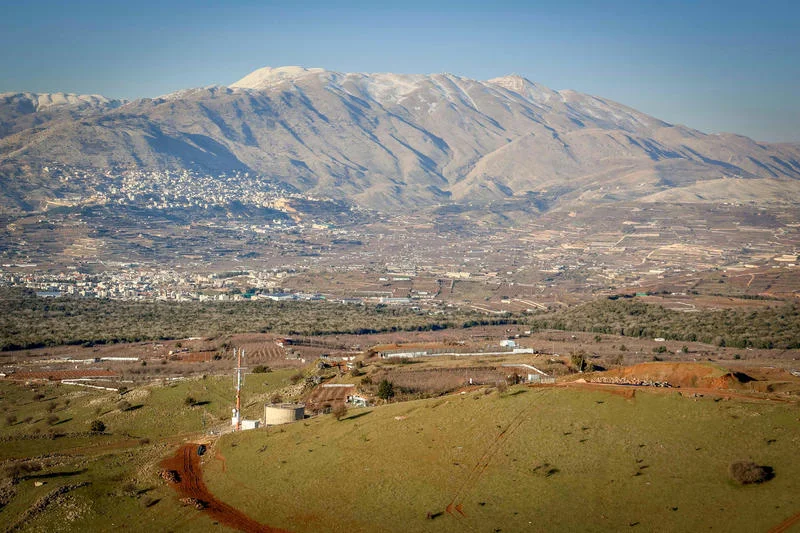
The Golan Heights are a basalt plateau overlooking the Sea of Galilee, or the Kinneret, in northern Israel. The area was captured by Israel during the 1967 Six-Day War and officially annexed in 1981.
“Israel is a small country with no strategic depth,” Sa’ar recalled, explaining that “defensible borders are essential to ensuring the continued existence of the Jewish people in our historic homeland. I will continue working so that more countries join the United States, under President Trump, and Colombia, under President de la Espriella, in recognizing Israeli sovereignty over the Golan Heights, where Israeli law was applied 45 years ago.”
In general, the international community considers the plateau to be Syrian territory under Israeli occupation. However, the Trump administration recognized Israel’s sovereignty over it in 2019, and the Biden administration subsequently upheld that decision in 2021.
In a statement, the Colombian Ministry of Foreign Affairs said its decision came “in light of the persistent regional instability in the Middle East and considering the strategic importance of the Golan Heights for Israel’s security,” also noting Israel’s right to protect itself against external threats.
I thank Colombia and my good friend, Colombian President Abelardo de la Espriella @ABDELAESPRIELLA, for his historic decision to recognize Israeli sovereignty over the Golan Heights, following our meeting in Barranquilla, Colombia, last Thursday.
— Gideon Sa'ar | גדעון סער (@gidonsaar) August 10, 2026
With this, one of his first… https://t.co/wisVitfs8J
“For decades, Israel has faced persistent and existential security challenges along its borders. These threats have intensified significantly in recent years, culminating in the horrific terrorist attacks of October 7, which highlighted the gravity and changing nature of the dangers faced by the Israeli people,” the ministry said.
“In this regional security context, Colombia recognizes that the maintenance of Israel’s control and sovereignty over the Golan Heights constitutes an essential component of its national defense and of its capacity to protect and safeguard its citizens.”
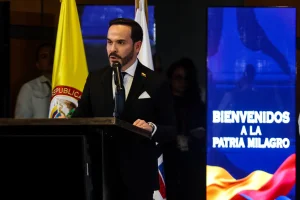
De la Espriella has promised a sharp break from the anti-Israel stance of his predecessor Gustavo Petro, vowing instead to resurrect the “historic alliance” between the countries.
“Colombia will also resume a serious and responsible position on the international stage, including within the United Nations system, and withdraw its intervention in the case brought by South Africa against Israel before the International Court of Justice,” de la Espriella said last Thursday.
The countries’ foreign ministers also agreed on the immediate and mutual appointment of ambassadors, the mutual cancellation of visa requirements, and the opening of a Colombian embassy in Jerusalem while halting plans for an embassy in Ramallah.
The question of sovereignty over the Golan Heights has been in the news repeatedly over the past few years. Syria’s new president, Ahmed al-Sharaa, was known as al-Jolani during his days as an Islamist terrorist. The name points to his family’s origins in the Golan.
United Nations Secretary-General António Guterres is the first UN chief to visit Syria since his predecessor Ban Ki-moon in 2009, two years before the start of Syria's civil war.
— euronews (@euronews) July 25, 2026
➡️ https://t.co/rg9JjjZXoN pic.twitter.com/yJsBQXdGBS
While he has shown readiness to negotiate a security arrangement with Israel under U.S. pressure, al-Sharaa has repeatedly stressed that Syria continues to see the Golan as part of its territory, while emphasizing that he doesn’t seek a military confrontation with Israel.
After al-Sharaa toppled the Assad regime at the end of 2024, Israel captured an additional strip of land comprising the former demilitarized zone, as well as the peak of Mount Hermon, as a precaution against any threats to the Golan border. The IDF has since occupied the area as a security zone.
During a visit to Syria last month, UN Secretary-General António Guterres condemned Israel’s ostensible “violations of Syria's sovereignty and territorial integrity” as “unacceptable.”
“I'd like to remind the international community that the Golan Heights are Syrian territory,” he stressed, adding that he wished for “a future defined by peace, dignity, and opportunity by the Syrians themselves.”
Support our independent, on-the-ground reporting from Israel. Become a $5/month Ally.

You might also like to read this: