Colombian incoming president seeks Israeli tech to combat drug cartels, expand security cooperation




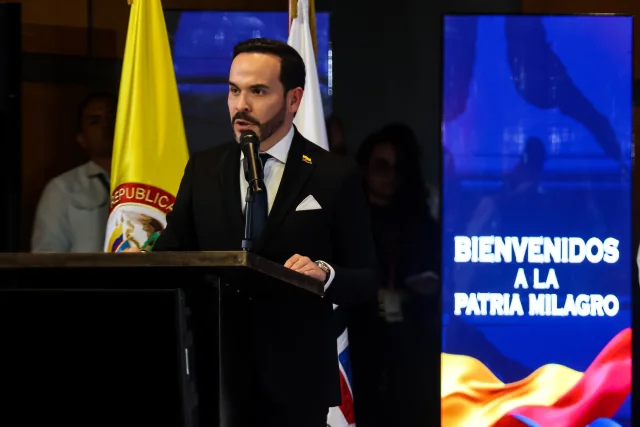
Colombia's incoming president, Abelardo de la Espriella, is seeking expanded security cooperation with Israel, saying Israeli defense technology, drones and artificial intelligence could help the country combat drug trafficking, organized crime and a decades-long insurgency.
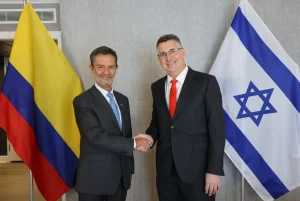
The security partnership is expected to be part of a broader restoration of diplomatic relations after outgoing President Gustavo Petro downgraded ties with Israel in May 2024.
Representatives of De la Espriella's administration said the new government intends to restore full diplomatic and economic relations with Israel, exchange ambassadors, pursue the opening of a Colombian embassy in Jerusalem, lift visa requirements and withdraw Colombia's support for South Africa's genocide case against Israel at the International Court of Justice.
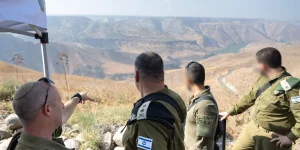
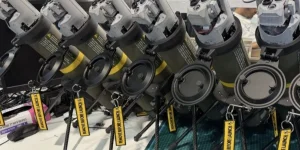
De la Espriella has also expressed a desire to expand security cooperation with Israel, including purchasing Israeli defense equipment and working with both Israel and the United States to develop Colombia's internet and artificial intelligence infrastructure.
Alberto Spektorowski, a political scientist at Tel Aviv University, said Israeli technology could help Colombia combat drug trafficking, organized crime and armed groups operating in remote areas of the country, where previous governments have relied on Israeli equipment, training and expertise.
"Everything connected to state security will involve extensive collaboration with Israel," he said. "Colombia will request it, Israel will provide it, and that relationship will become stronger."
Spektorowski stressed that while security cooperation is expected to expand, it should not be viewed as a formal strategic alliance.
Israel is also preparing for improved relations, with its Foreign Ministry approving the appointment of Vivian Aisen as its new ambassador to Colombia. Marcos Peckel, executive director of the Confederation of Jewish Communities of Colombia, told The Media Line that he expects diplomatic relations to be formally restored shortly after President-elect Abelardo de la Espriella takes office on Aug. 7.
Spektorowski noted that Colombia's broader challenges remain domestic, including rebuilding the economy and improving security. "The challenges for Colombia's president will be how to rebuild Colombia and how to establish the basis of its economy," he said. "That is what will define him."
Peckel cautioned that while closer ties with Israel may be welcomed by supporters of the relationship, they could also create political tensions for Colombia's Jewish community.
"An excessively pro-Israel president can generate antisemitism and hostile declarations against us," Peckel said. "That is something we are watching very closely."
You might also like to read this: