The Highway to Zion



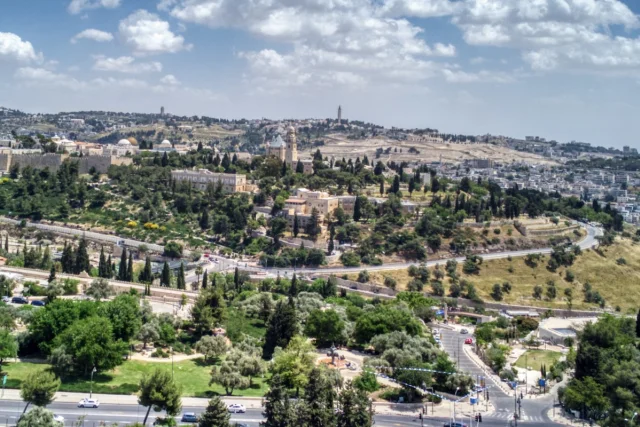
The concept of the Highway to Zion is one of the most profound prophetic images in the Hebrew Scriptures. It is not merely a physical road paved with asphalt and stone; it is a spiritual artery, a divine infrastructure of redemption connecting the scattered remnant of Israel to their ancestral homeland. To understand this highway is to understand the heart of God for the restoration of His people. In the context of Aliyah—the Hebrew word for "ascent," referring to the return of the Jewish people to the Land of Israel—the Highway to Zion is the blueprint for the ingathering of the exiles. It is the path upon which the prophecies of return are fulfilled, a route carved through the wilderness of the nations, leading directly to Jerusalem.
However, to fully grasp the magnitude of this highway, one must understand the weight of the word "redemption." In the Hebrew Scriptures, the concept of redemption is rooted in the word Ga'al (גָּאַל), which refers to a kinsman-redeemer who buys back a relative from slavery or restores their lost inheritance. It is a physical, legal, and familial act. When the prophets speak of Israel being "redeemed," they are speaking of a God who acts as the ultimate Kinsman-Redeemer, purchasing His people back from the slave markets of the nations and returning them to their promised inheritance—the Land of Israel. In the Christian view, this Hebrew concept is deepened and fulfilled in the person of Yeshua (Jesus), who is seen as the ultimate Redeemer, not only buying back the physical inheritance but atoning for the spiritual debt of sin through His sacrificial death and resurrection. For the Christian, redemption is both physical and spiritual, purchased by the blood of the Lamb.
Aliyah is the nexus where these two understandings of redemption converge. It is the physical outworking of God's redemptive covenant, bringing the Jewish people back to the Land. Simultaneously, it is the catalyst for the spiritual redemption that will ultimately flow to the entire world. When the exiles return to Zion, it is not merely a geopolitical migration; it is the sanctification of God's Holy Name before the eyes of the nations.
The foundational scripture for this prophetic road is found in the Book of Isaiah. The prophet speaks of a future exodus that will dwarf the first exodus from Egypt, a return not just from one nation, but from the four corners of the earth. This highway is characterized by holiness, safety, and joy. Isaiah proclaims: "And a highway will be there; it will be called the Way of Holiness; it will be for those who walk on that Way. The unclean will not journey on it; wicked fools will not go about on it" (Isaiah 35:8).
Here we must ask: what is this "holiness" that characterizes the highway? It is not the inherent perfection of the travelers. Throughout their history, the returning exiles—like all humanity—have been marked by struggle, doubt, and sin. Rather, the holiness of the highway refers to the Holy Name of God, which He sanctifies through the return of His sheep. The prophet Ezekiel makes this explicit, declaring that the ingathering of the exiles is an act of divine grace done for the sake of God's reputation, not the merit of the people: "It is not for your sake, people of Israel, that I am going to do these things, but for the sake of my holy name, which you have profaned among the nations where you have gone. I will show the holiness of my great name, which has been profaned among the nations... Then the nations will know that I am the Lord, declares the Sovereign Lord, when I am proved holy through you before their eyes. For I will take you out of the nations; I will gather you from all the countries and bring you back into your own land" (Ezekiel 36:22-24).
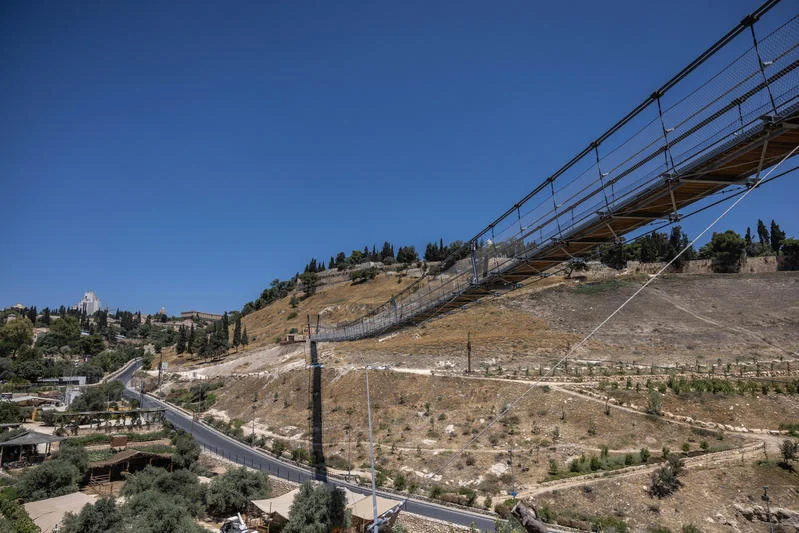
The Highway to Zion is the stage upon which God displays His grace. It is not a road for the "clean" or the "righteous," but for the redeemed—those whom God has cleansed by His own sovereign choice. This is the essence of grace: God does not call the qualified; He qualifies the called. The "unclean" cannot walk on it because God Himself purifies the travelers before they step foot on the path. This purification is not a human work but a divine act of the Holy Spirit. Ezekiel continues: "I will sprinkle clean water on you, and you will be clean; I will cleanse you from all your impurities and from all your idols. I will give you a new heart and put a new spirit in you; I will remove from you your heart of stone and give you a heart of flesh. And I will put my Spirit in you and move you to follow my decrees and be careful to keep my laws" (Ezekiel 36:25-27).
This pouring out of the Holy Spirit is the engine of Aliyah. It is the Spirit that stirs the heart of a Jew in New York, Paris, or Addis Ababa to leave everything behind and ascend to the Land. This spiritual awakening is part of a broader redemptive plan that encompasses not only Israel but the entire world. The prophet Joel foresaw a day when the Spirit would be poured out on "all people," and the Apostle Peter, standing in Jerusalem on the day of Shavuot (Pentecost), declared that this prophecy was being fulfilled in the aftermath of Yeshua's resurrection (Joel 2:28-29; Acts 2:17-18). The Holy Spirit that draws the Jewish people back to the Land is the same Spirit that convicts the Gentile nations of sin and draws them to the God of Israel through the Messiah.
This brings us to the mystery of the "remnant" that the Apostle Paul refers to in his letter to the Romans. Paul was writing to a largely Gentile church in Rome, explaining the spiritual state of his Jewish brethren. He asked, "Did God reject his people? By no means!" (Romans 11:1). He explains that there is a "remnant chosen by grace" (Romans 11:5). This remnant is the believing Jewish community that has recognized Yeshua as the Messiah. However, Paul extends the concept of the remnant to the eschatological end-times ingathering. He speaks of a future day when "all Israel will be saved" (Romans 11:26). This salvation is intrinsically linked to the physical return: "For if their rejection brought reconciliation to the world, what will their acceptance be but life from the dead?" (Romans 11:15).
Paul teaches that the spiritual redemption of the Gentiles and the physical restoration of the Jews are intertwined. The Gentiles have received mercy because of Israel's temporary stumbling (Romans 11:11). But when the Jewish people are fully restored—physically to the Land and spiritually to their God—it will trigger a resurrection-like revival for the entire world. This is the ultimate purpose of the Highway to Zion: it is the road that leads to the resurrection of the dead and the establishment of the Messianic Kingdom.
Isaiah also connects this highway to the spiritual enlightenment of the nations. He writes: "In that day the Root of Jesse will stand as a banner for the peoples; the nations will rally to him, and his resting place will be glorious. In that day the Lord will reach out his hand a second time to reclaim the surviving remnant of his people... He will raise a banner for the nations and gather the exiles of Israel" (Isaiah 11:10-12). The banner raised for the nations is not just a signal flag; it is the Messiah Himself. As the Jewish people return to the Land, the nations are forced to confront the reality of the God of Israel. The restoration of Israel is the signpost that points the Gentiles to the Redeemer.
This is why the Gentile nations are commanded to participate in the Aliyah process. The prophet Isaiah declares: "Pass through, pass through the gates! Prepare the way for the people. Build up, build up the highway! Remove the stones. Raise a banner for the nations" (Isaiah 62:10). The nations are not passive observers of the return; they are active participants. By assisting the Jewish people in their physical return—through prayer, financial support, and political advocacy—the Gentiles are hastening their own spiritual redemption. The "stones" that must be removed are the stumbling blocks of antisemitism, replacement theology, and indifference that have plagued the Church for centuries.
Jeremiah also weeps for the returning remnant and promises a smooth path: "They will come with weeping; they will pray as I bring them back. I will lead them beside streams of water on a level path where they will not stumble, because I am Israel’s father, and Ephraim is my firstborn son" (Jeremiah 31:9). The tears of the returning exiles are not tears of despair, but tears of repentance and joy. This repentance is a fruit of the Holy Spirit, who convicts the heart and leads the sinner to grace. The same Spirit that draws the Jewish remnant draws the unsaved among the Gentiles. The "level path" is the path of grace, where human merit is set aside, and the traveler leans entirely on the faithfulness of God.
The Highway to Zion, therefore, is the road of redemption for all humanity. It is the path where the holiness of God's Name is vindicated. It is the route where the physical return of the Jewish people testifies to the faithfulness of the covenant-keeping God. It is the artery through which the Holy Spirit flows, first to the remnant of Israel, and then to the nations. As the redeemed of the Lord ascend the highway, they do not ascend in their own strength. They are carried by grace, cleansed by the Spirit, and led by the Good Shepherd who promised: "I will search for the lost and bring back the strays. I will bind up the injured and strengthen the weak... I will shepherd the flock with justice" (Ezekiel 34:16).
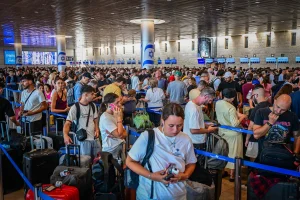
The Highway to Zion is the fulfillment of the prayer: "Restore us, O God; make your face shine on us, that we may be saved" (Psalm 80:3). As every Oleh steps onto the tarmac in Tel Aviv, a stone is removed from the road, a banner is raised to the nations, and the world moves one step closer to the ultimate redemption—the day when "the earth will be filled with the knowledge of the Lord as the waters cover the sea" (Isaiah 11:9).
Support our independent, on-the-ground reporting from Israel. Become a $5/month Ally.

You might also like to read this: