3 Israeli Bedouins detained by security forces in Egypt, families have not heard from them in 6 months
‘We have no idea where they are and what happened to them,’ families of the men say



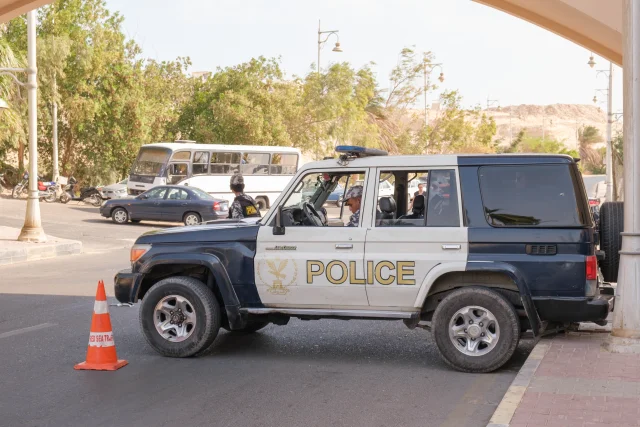
Three Bedouin Israelis, on vacation in Egypt, were detained by Egyptian security forces on their way back to the border six months ago, and their families have not heard from them since, public broadcaster Kan News reported.
The three men, Bilal Masoudin al-Walidi, Bilal al-Afshak, and Ahmad Adoji, traveled to Egypt with several other family members and vacationed in the Sinai Peninsula resort town of Sharm el-Sheikh.
The men were riding in a taxi back toward the border town of Taba when Egyptian security stopped the taxi and instructed them to get out before transferring them to security vehicles.
One of the men managed to call a family member before the detention and explain that they were being stopped. He told a friend in Israel that they would likely be delayed by a day in returning. The families have heard from the men since.
“We're being detained, but I'm coming back tomorrow. If not, you will know that we are in the hands of the Egyptians,” he was reported as telling the friend.
Initially, the family members decided to keep quiet, hoping that this would help the situation to resolve quickly. However, after several attempts to gain information about the men failed, the families spoke with Israeli media, hoping that increased media attention could lead to a resolution of the situation.
All three men are members of the Al-Azazma Bedouin tribe in Israel’s southern Negev region.
The families originally hired Egyptian lawyers to get information about the men’s detention, hoping to make contact with them.
The Egyptian lawyers later resigned because they couldn't obtain any information about the case.
Fadi Masoudin, Bilal Masoudin's brother, said the families just want information about their relatives.
“Let them tell us if they did something, or if they violated Egyptian law,” Fadi told Ynet News. “We have no idea if they are alive or dead. If they broke the law, let them be tried.”
The families turned to an Israeli lawyer to seek assistance from the Israeli government in determining the status of the three men.
A relative told Kan News, “The lawyer submitted requests to the Egyptian authorities to understand where they are being held, and there is no response. He checked and they are not being held by the police, not in a recognized prison, not in a hospital or in any official place.”
According to the relative, “There is no Egyptian official who confirms that they are in his custody, and at the same time there is no mention of the arrest in the Egyptian media, which intensifies the question mark surrounding the circumstances of the arrest.”
The families were only informed that the men are being investigated in relation to Egyptian security matters.
After failing to receive any response from the Israeli government, the families spoke with Israeli media, which published the story earlier this week.
After the story was published on Kan News, the Foreign Ministry released a statement saying, “The ministry, as well as other authorities, has approached the Egyptian authorities with a request for official information on their matter.”
“At this stage, a satisfactory official response has not yet been received. The ministry continues to work with the Egyptian authorities on the matter of the three Israelis and to keep in touch with their families,” the statement said.
Attorney Yitzhak Meltzer, the defense attorney for one of the men, told Kan News, “According to the results of the examinations conducted by lawyers in Egypt, this is a security investigation. A lawyer who contacted the Egyptian police and asked to meet with them was told that they were not being held by the police.”
He also criticized the Foreign Ministry’s handling of the matter, noting that he contacted the ministry in July to inquire about the men and was told, “Your inquiry has been forwarded to the relevant parties and when we have a response, we will respond.”
“The fundamental requirement is, first and foremost, that concrete information be provided about them – specifically, their whereabouts – and that they be granted visits by a lawyer or a consul, and that the nature of the suspicions against them be clarified,” Meltzer said. “The families are currently living in total darkness, and that is the most serious aspect of the situation.”
Fadi Masoudin told Ynet, “We have no idea where they are and what happened to them. I hope they are alive.”
“I don't understand. If they have violated Egyptian law, they should be prosecuted and give us the right to visit them,” he continued. “I find it hard to understand why I am prevented from contacting my brother.”
You might also like to read this: