








US intelligence warns: Iran supreme leader Mojtaba Khamenei seeks nuclear warhead
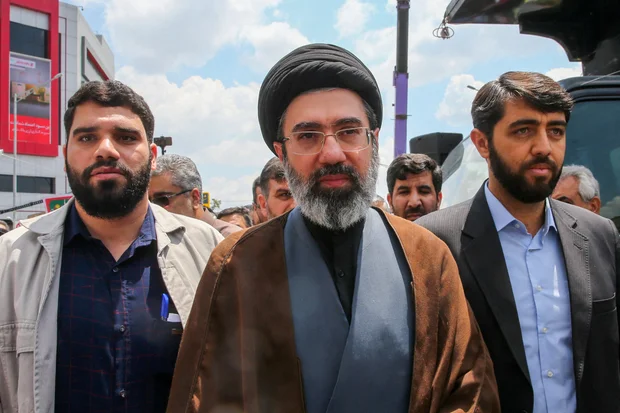
Iran’s current supreme leader, Mojtaba Khamenei, is seeking to develop a nuclear warhead capable of being mounted on a long-range missile, according to U.S. intelligence assessments cited by The New York Times on Friday. The assessment comes as Iranian authorities have reportedly increased security around a fortified nuclear facility amid concerns over a possible Israeli commando operation.
U.S. intelligence officials reportedly believe that Mojtaba Khamenei and members of Iran’s hardline leadership are more motivated to pursue nuclear weapons capabilities than his late father, Ali Khamenei. While Mojtaba has not publicly called for the development of nuclear weapons, officials believe his views before the war earlier this year reflected a greater interest in obtaining a nuclear deterrent.
A U.S. official, speaking anonymously to The Times of Israel, said Washington’s assessment is based on intelligence regarding positions reportedly held by Mojtaba before the conflict broke out on Feb. 28. The Iranian leader, who was seriously injured in Israel’s opening strike, has not appeared publicly since the start of the war.
Unlike his father, Mojtaba is believed to have favored a more aggressive nuclear posture and previously sought to push Ali Khamenei toward a harder line. The assessment was reportedly among the factors considered by Washington and Jerusalem in decisions to launch military strikes against the Iranian regime.
Ali Khamenei, Iran’s former supreme leader who was killed in an Israeli strike on Feb. 28, had issued a religious ruling, or fatwa, against nuclear weapons in the 1990s. The Iranian regime has continued to deny that it seeks such weapons, insisting that its nuclear program is intended solely for civilian purposes.
Western intelligence agencies, however, have repeatedly challenged Tehran’s claims. Iran has continued enriching uranium to near weapons-grade levels, which critics argue has no clear civilian justification, while maintaining parts of its nuclear infrastructure in underground, fortified facilities and limiting access for international inspectors.
Reports from the final period of the Biden administration indicated that Iran had explored obtaining a nuclear “asset” bomb — a device that would be difficult to deploy on a missile but could still provide some level of deterrence. According to the latest assessments, Mojtaba Khamenei’s reported ambitions go further, focusing on developing an operational nuclear warhead capable of being launched on a ballistic missile.
Some security analysts believe Iran’s motivation to pursue nuclear weapons may have grown following the war, which significantly weakened Tehran’s conventional military capabilities. Experts argue that Iran may view nuclear weapons as a means of preventing future attacks, similar to the role they believe such capabilities have played for North Korea. U.S. and Israeli officials have also warned that a nuclear-armed Iran could trigger a broader nuclear arms race in the Middle East.
The Memorandum of Understanding (MOU) signed by U.S. President Donald Trump and Iranian President Masoud Pezeshkian in June stated, "The Islamic Republic of Iran reaffirms that it will not acquire or develop nuclear weapons.” However, critics argue that Tehran has since violated the agreement, while Mojtaba Khamenei reportedly said that although he approved the MOU, he opposed it “as a matter of principle.”
The New York Times report came amid growing military tensions between the United States and Iran. Trump and senior U.S. officials convened on Friday to discuss a potential military escalation against Tehran, including possible U.S. strikes on Iran’s heavily fortified nuclear site known as Pickaxe Mountain.
U.S. and Israeli intelligence officials are reportedly concerned that Tehran could attempt to relocate remaining elements of its nuclear program to the underground site, which is built inside a mountain.
Trump has not yet decided whether to continue diplomatic efforts or authorize additional strikes against the Iranian regime.
Popular article:
interview Easter message of resurrection hope amid war at Jerusalem's Garden Tomb
biblical commentary Let my people go: a Passover message for today
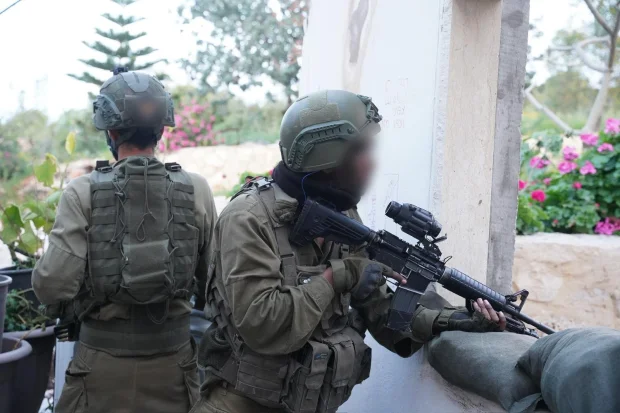
4 IDF soldiers killed, 2 wounded in fighting in southern Lebanon, as Israel eliminates dozens of Hezbollah terrorists

Receive latest news & updates
A message from All Israel News
Help us educate Christians on a daily basis about what is happening in Israel & the Middle East and why it matters.
For as little as $10, you can support ALL ISRAEL NEWS, a non-profit media organization that is supported by readers like you.
Latest articles:
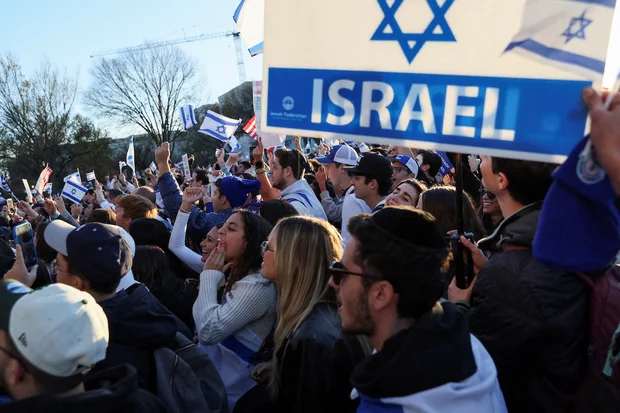
North American Jewish organizations to recruit 100 professionals to combat antisemitism
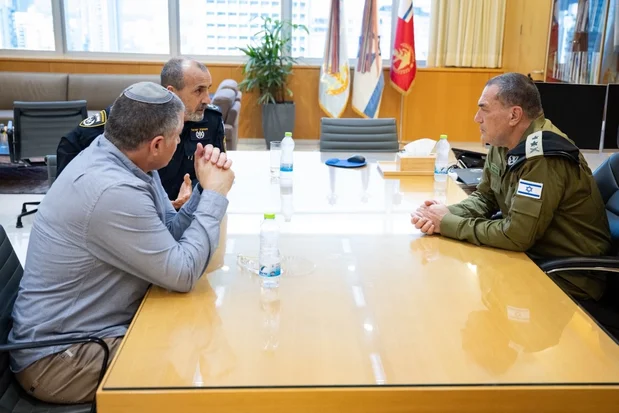
‘No need’ for pre-election Iran strike, IDF chief says as gov’t, opposition trade blame for potential escalation – report
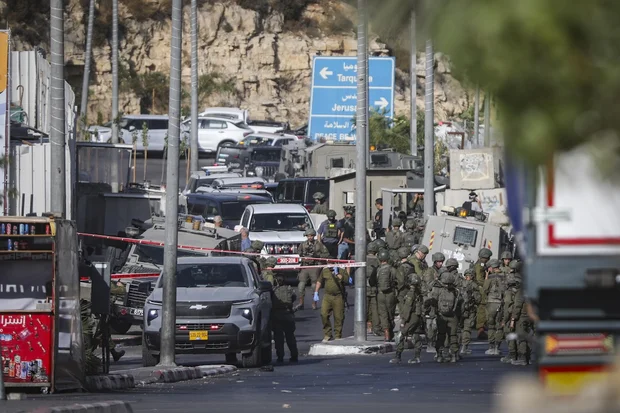
terror attack 2 Israeli soldiers killed, 2 terrorists eliminated in Hebron shooting; IDF says much larger attack was prevented
analysis A people dwelling securely? Israel’s strategic standing, 3 years after Oct 7
Hamas on wheels: What I found in Dearborn reveals a troubling history and a battle over Israel