US envoy Waltz visits Lebanon amid discussions over new peacekeeping force, stalled Hezbollah disarmament
Paris reportedly plans to send French troops to Lebanese border without UN mandate
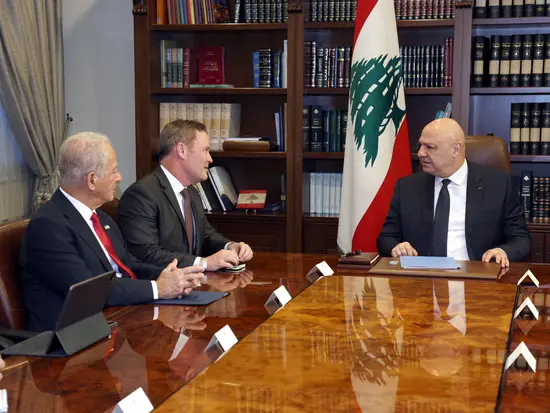
U.S. envoy to the UN, Mike Waltz, visited Beirut on Sunday and Monday amid ongoing discussions over a replacement for the UNIFIL peacekeeping force in southern Lebanon, whose mandate will run out at the end of the year.
Israel has repeatedly criticized UNIFIL for failing to mount any resistance to Hezbollah effectively taking over southern Lebanon over the past decades.
In June, Israel, the U.S. and Lebanon agreed on a roadmap for the disarmament of Hezbollah and an eventual withdrawal from the security zone still held by the IDF, though Israel has pointed out that pilot zones vacated by the Israeli military were infiltrated by Hezbollah operatives instead of coming under the control of the Lebanese military.
Israel has therefore continued to launch sporadic strikes against Hezbollah activities in the area. Against this background, European leaders and Gulf states have persuaded Washington not to leave the Lebanese Armed Forces (LAF) without the support of an international force in southern Lebanon, the Saudi Al Hadath channel reported, citing a diplomatic source.
UNIFIL confirmed its impending withdrawal last week, noting that “The Security Council is considering options for the period after UNIFIL’s mandate ends, including future monitoring and reporting along the Blue Line.”
Wheels down in Beirut. Lebanon has a real opportunity to chart a sovereign, secure future. America is here to support that, and to be clear about what it takes. That is why I am here on the ground to hear the truth about the transition and next steps of the UN forces and aid agencies.
— Ambassador Mike Waltz (@USAmbUN) November 15, 2026
Initiatives to establish a new force have been advanced by the U.S. and French governments.
According to Al Hadath, Washington is examining the option of establishing a much smaller force than UNIFIL, which numbered over 8,000 soldiers. The force of around 100 troops would mainly focus on implementing the security agreement signed between Israel and Lebanon in June while expanding its area of responsibility to areas north of the Litani River.
Lebanese channel LBCI reported that the meetings between Waltz and the Lebanese government were “positive.” However, three official Lebanese sources told Saudi newspaper Asharq Al-Awsat that Waltz did not propose any new initiative but rather agreed on three key issues with President Joseph Aoun.
These include avoiding a security vacuum in the South after the end of the UNIFIL mandate; a full commitment to UN Resolution 1701; and support for the LAF.
“The issue is not merely about changing the force's name or composition, but redefining the nature of its work, tasks, and authorities, with proposed duties including playing a role in verifying and scrutinizing the implementation of the framework agreement, and monitoring mutual commitments,” the sources said.
الرئيس جوزاف عون استقبل المندوب الأميركي لدى الأمم المتحدة السفير مايك والتز، بحضور السفير الأميركي في لبنان ميشال عيسى والوفد المرافق للسفير والتز. وخلال الاجتماع، الذي حضره رئيس وفد لبنان إلى المفاوضات الثلاثية السفير السابق سيمون كرم، جرى عرض التطورات الراهنة في لبنان والمنطقة، ومرحلة ما بعد انتهاء مهمة قوة الأمم المتحدة المؤقتة في جنوب لبنان «اليونيفيل»، إضافة إلى الوضع في الجنوب في ضوء استمرار الاعتداءات الإسرائيلية وعدم التزام إسرائيل بمندرجات اتفاق الإطار.
— Lebanese Presidency (@LBpresidency) November 16, 2026
They also noted that France “will be the party tasked with working on the new formula within the Security Council, in coordination with the concerned parties.”
Israel prefers the leading role to remain in the hands of Washington, rather than France, with whose government Jerusalem has clashed repeatedly in recent years.
Last month, Lebanese President Aoun asked France to help secure an international force to replace UNIFIL. French Foreign Minister Jean-Noël Barrot, who visited Lebanon, confirmed that the two governments were discussing “mechanisms for an international presence.”
The Jerusalem Post reported on Monday that the French government could deploy French troops to conduct joint patrols alongside the LAF.
Three sources familiar with the French initiative told the newspaper that Paris is considering sending thousands of troops while trying to persuade other countries to join the initiative.
A large international military presence on the border would be a significant deterrent to Israeli airstrikes on Lebanese territory, even if targeting Hezbollah infrastructure or operatives.
Israel reportedly opposes such a force being stationed south of the Litani River, the Post added. Making matters even more complicated for Israel, this plan is reportedly being advanced as an independent, bilateral agreement between Beirut and Paris rather than under a United Nations mandate, making it harder for Israel and the U.S. to thwart it.
Another French initiative would see the deployment of some 500 UN monitors to oversee the ceasefire; however, since this would be a UN mandate, Israel and the U.S. have more options to block it.
At the end of his visit, Waltz called for Hezbollah to “voluntarily” lay down its weapons and hand them over to the Lebanese state.
“No country can have two armies,” he emphasized. “I think the message should be loud and clear, that Lebanese sovereignty must be fully restored. And the mechanism to do that will be the Lebanese Armed Forces.”
However, Hezbollah’s main political ally and Speaker of the Lebanese Parliament, Nabih Berri, continues to advocate for the continuation of the UNIFIL presence in view of the uncertainty in the region, which he described as a “state of neither war nor peace.”

Support our independent, on-the-ground reporting from Israel. Become a $5/month Ally.
Popular article:

interview Easter message of resurrection hope amid war at Jerusalem's Garden Tomb

biblical commentary Let my people go: a Passover message for today

4 IDF soldiers killed, 2 wounded in fighting in southern Lebanon, as Israel eliminates dozens of Hezbollah terrorists

Receive latest news & updates
A message from All Israel News
Help us educate Christians on a daily basis about what is happening in Israel & the Middle East and why it matters.
For as little as $10, you can support ALL ISRAEL NEWS, a non-profit media organization that is supported by readers like you.
Latest articles:

Iran could be planning 'dirty bomb' attack on Washington, US intel indicates - report

Israel joins global debate over future of autonomous weapons
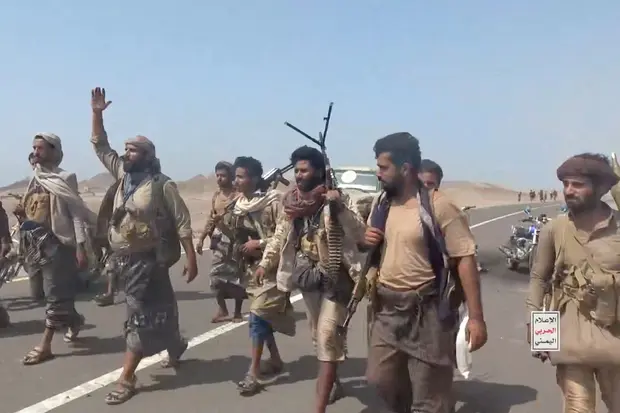
Houthi terrorists advance against Saudi-backed forces near Yemen’s Bab el-Mandeb Strait
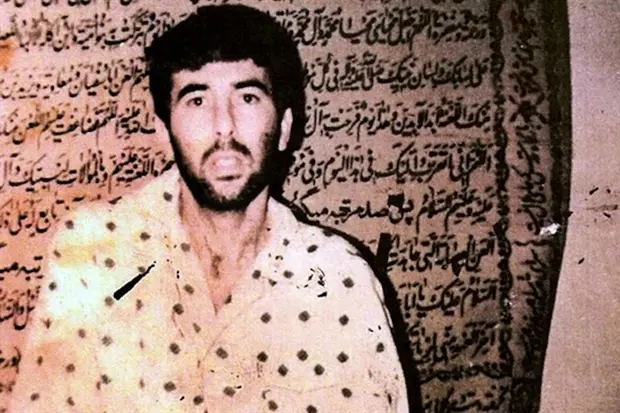
Mossad abducted 2 Iranian generals, killed one in decades-long search for missing Israeli navigator Ron Arad – report
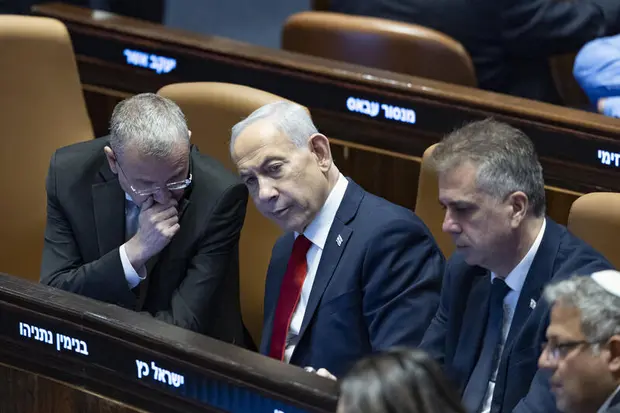
Israel Police investigates whether Netanyahu’s office orchestrated Ra'am vote-buying probe to delegitimize election