Trump’s economic D-Day: Can he bankrupt Iran into regime collapse?




U.S. President Donald Trump has tried bombs, blockades and diplomacy against Iran. Now comes a potentially devastating new weapon: economic D-Day. There are already signs it may be working. More on that in a moment.
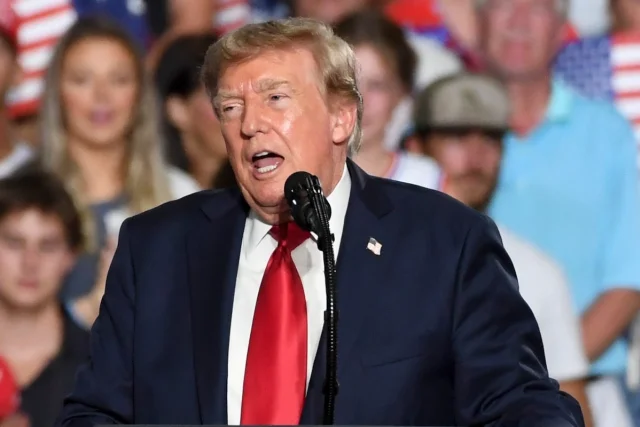
Trump is preparing what his administration describes as an unprecedented economic assault on Iran, designed not simply to punish the Islamic Republic but to potentially bring the regime to its knees.
“This will be economic warfare and isolation on an unprecedented scale,” Trump declared, warning countries that continue helping Tehran that they could face “tremendous economic consequences.”
Treasury Secretary Scott Bessent has been even more explicit about the objective, saying the administration is preparing the “toughest sanctions in history” to accompany the existing U.S. blockade. “It is a one-two punch,” Bessent said on Thursday. “We have the blockade, and we are going to have the toughest sanctions in history.” Then came the money line: “It is going to work in Iran and we are going to collapse this regime.”
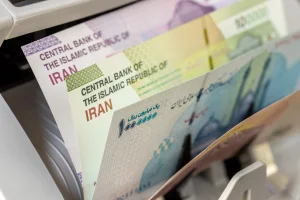
Reuters reported on Friday morning that perhaps the economic noose is already tightening. China purchases more than 80% of Iran’s shipped oil, and that keeps much of the Iranian government afloat. But Reuters reports that Iranian oil shipments to China have fallen dramatically, from an average of roughly 1.4 million barrels per day in 2025 to approximately 534,000 barrels per day so far this August.
The U.S. blockade is also draining Iran’s massive stockpile of crude. According to Reuters, Iranian floating storage outside the blockade zone has fallen from approximately 105 million barrels to 80 million barrels.
Supply now has become so tight that Reuters reports some Iranian crude is actually being offered at a premium. Chinese refiners are looking elsewhere – including Brazil and Iraq – for replacement barrels. In other words, Trump’s squeeze is producing measurable results. The question is whether an economic squeeze can become an economic strangulation.
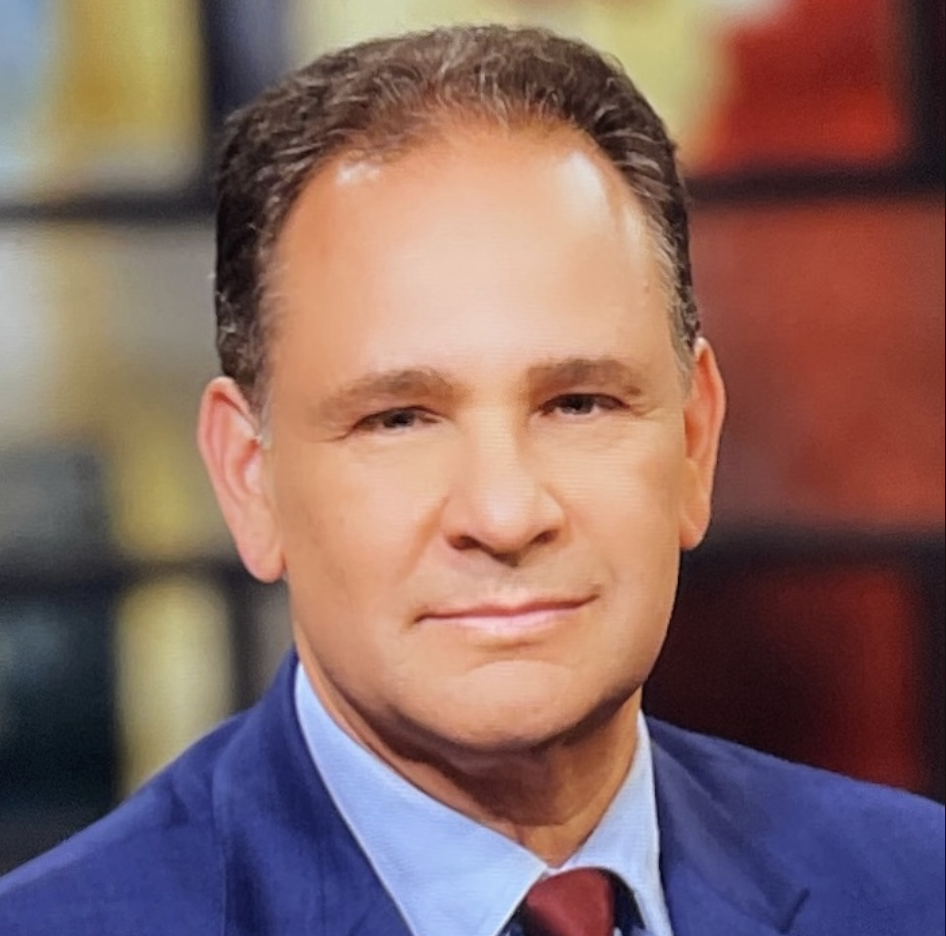
Retired Navy Capt. Armen Kurdian, a congressional candidate in California, tells me that he believes this is the appropriate strategy at this stage of the war. “At the level of warfare that we were participating against Iran right now, this is the right decision because I don’t believe that further military strikes against Iran are going to have the intended impact…we’re fighting a more of a geopolitical, strategic, informational, war of influence. Right now it’s more of the non-kinetic type of war that’s being fought.”
But Kurdian sees one major vulnerability: Trump has to stick with it. “My only concern would be Trump has tended to change his mind a lot this year regarding this war. He needs to maintain this kind of pressure. This needs to continue and go forward…These kind of restrictions have to be severe, strict, and they have to be semi-permanent, at least for the long term because it does have an impact on that country”
That’s critical because the Islamic Republic has survived sanctions for decades and they do so predominantly because of China and Russia. National Security expert Casey Fleming, CEO of BLACKOPS Partners Corporation, says China and Russia aren’t simply going to abandon Tehran.
“China and Russia are strategic partners with Iran, so they’ve been sorting out and supporting and supplying Iran with all of these sanctions,” Fleming tells me. “They’ll continue to do so. China actually has a saying that water finds its way down a hill, regardless whether it’s a tree or a rock or whatever. So they will supply, they will support Iran every way, in any way that they need to. “
There is also another major question. Even if Trump succeeds in wrecking Iran’s economy, does economic collapse automatically produce regime collapse? Not necessarily.
Economic misery can create demonstrations. It can undermine confidence in the government. It can encourage defections and potentially create the conditions for revolution. But somebody ultimately has to remove the regime. That’s where the Islamic Revolutionary Guard Corps (IRGC) comes in.
Retired U.S. Army Col. Wesley Martin, who served as the first Senior Antiterrorism Officer for all coalition forces in Iraq and is involved with resistance organizations outside Iran, believes the decisive battle must eventually occur from within.
“You’ve got to take out the IRGC and the way that can be done has to be done from within,” Martin tells me. “I’m Involved with the resistance organizations. They’re outside of Iran, but they do have contacts and they do have people inside of Iran and that’s what I’m pushing. The resistance movements outside Iran with contacts inside Iran. They do have 30 member cells working, but they’re not organized yet. We’re going to push at the end of next month, we’re going to go through all the issues and all the details. It’s going to be a way ahead plan. You’ve got to have serious assaults on the IRGC and there’s enough people in Iran to do it, and they know who the IRGC are. They can go after them. But they’ve got to get organized.”
Asked whether there ultimately needs to be a movement inside the IRGC itself to help topple the regime, Martin’s answer was simple: “There needs to be.”
That may be the missing piece of Trump’s strategy.
The administration can squeeze the Iranian economy. It can choke off oil exports. It can threaten countries doing business with Tehran. It can potentially deprive the regime of the money necessary to maintain its enormous security apparatus. But sanctions cannot storm government buildings. People do that. At some point, Iranians inside will have to storm the castle. That’s why Trump’s strategy looks increasingly like a slow bleed.
You might also like to read this: