








Technological breakthrough: Mount Gilboa project combines solar power with vineyard
'Agrivoltaic farming': Solar panels generate electricity while providing shade for grapevines
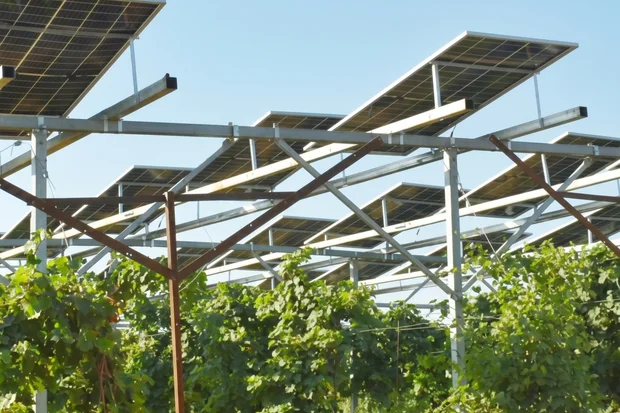
A pioneering project on Israel's Mount Gilboa has produced its first successful grape harvest while generating renewable electricity at the same time, demonstrating how farmland can simultaneously support agriculture and clean energy production.
The project, operated by the Gidash Maayanot farming community at Kibbutz Ma'ale Gilboa, in partnership with renewable energy company Doral Israel, combines vineyards with overhead solar panels.
With support from students from a pre-military academy near Beit She'an, the team has built an array of solar panels above rows of grapevines planted in the fertile soil of Mount Gilboa using a process known as agrivoltaic farming.
The panels generate electricity while providing shade that protects grapevines from the region's intense summer sun. Although the concept initially appeared counterintuitive, the experiment proved highly successful, producing more than 30 tons of grapes alongside hundreds of kilowatt-hours of electricity during its first harvest.
"When we established the project at Ma'ale Gilboa, we set ourselves a clear goal: to prove that the same land could produce not only renewable energy but also thriving agriculture," said Ofer Stavay, CEO of Doral Israel. "This first harvest of grapes grown beneath solar systems is the moment when that vision became reality.
According to Oved Yavin, Doral's director for agrivoltaic development, Mount Gilboa's hot climate made it an ideal testing ground for the technology.
"This is an especially hot region, and we deliberately chose vines, which are among the most difficult crops to grow under these climatic conditions," Yavin said. "We knew that if we could grow grapes in these conditions, we could grow almost anything."
The Ma’ale Gilboa site is being monitored by farmers and renewable energy engineers from across Israel in order to duplicate their success in other areas. Specialists from other countries have also expressed interest.
Beyond agriculture and engineering, project leaders say the initiative could help revitalize Israel's agricultural sector by attracting a younger generation of farmers through the integration of advanced technology with traditional farming.
"We see this activity as a once-in-a-generation opportunity to develop agriculture in Israel and ensure that it has a next generation," said Dubi Miller, chairman of Kibbutz Ma'ale Gilboa's energy operations. "Young people will not enter agriculture unless it is closely connected to renewable energy and advanced technologies. Our full harvest is a significant mark of success and gives all of us tremendous momentum for the road ahead."
Mount Gilboa has long held strategic and historical significance in Israel. According to 1 Samuel 31, it was the site where King Saul and his sons fell in battle against the Philistines.
Over the centuries, the mountain has witnessed conflicts during the Roman, Byzantine, Crusader and Ottoman periods. Today, overlooking the Jezreel Valley and forming the high ground just north of Samaria, it remains an important agricultural and strategic region.
.jpeg/c69e53540007ca52435be2162c65c755/whatsapp-image-2026-07-27-at-12.13.50-(1).webp)

Support our independent, on-the-ground reporting from Israel. Become a $5/month Ally.
Popular article:
interview Easter message of resurrection hope amid war at Jerusalem's Garden Tomb
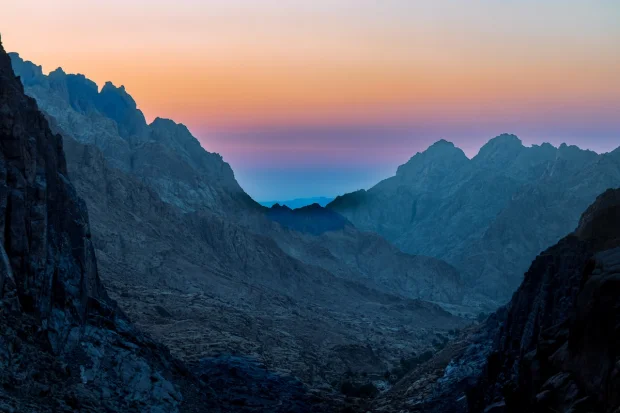
biblical commentary Let my people go: a Passover message for today
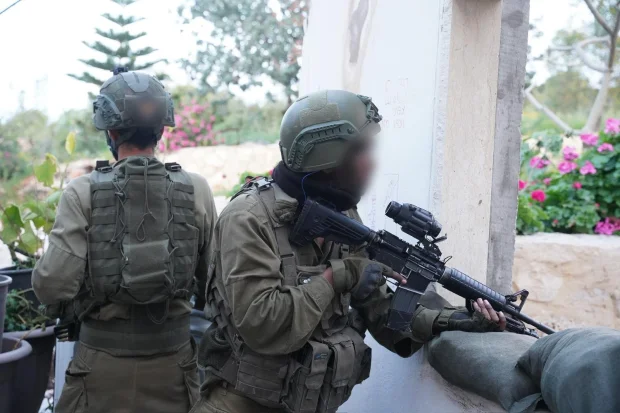
4 IDF soldiers killed, 2 wounded in fighting in southern Lebanon, as Israel eliminates dozens of Hezbollah terrorists

Receive latest news & updates
A message from All Israel News
Help us educate Christians on a daily basis about what is happening in Israel & the Middle East and why it matters.
For as little as $10, you can support ALL ISRAEL NEWS, a non-profit media organization that is supported by readers like you.
Latest articles:
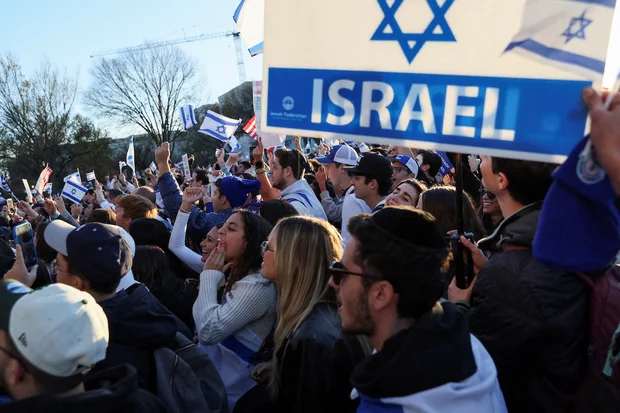
North American Jewish organizations to recruit 100 professionals to combat antisemitism
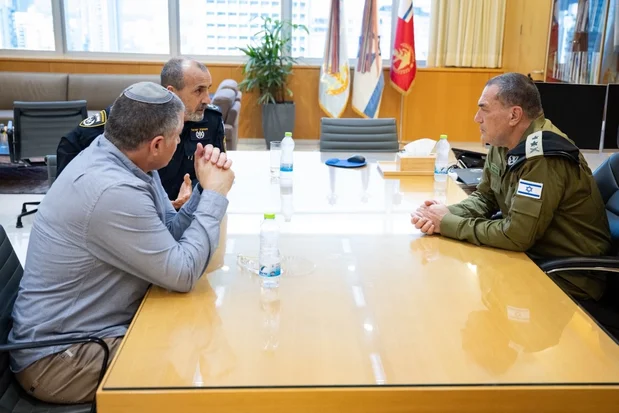
‘No need’ for pre-election Iran strike, IDF chief says as gov’t, opposition trade blame for potential escalation – report
terror attack 2 Israeli soldiers killed, 2 terrorists eliminated in Hebron shooting; IDF says much larger attack was prevented
analysis A people dwelling securely? Israel’s strategic standing, 3 years after Oct 7
Hamas on wheels: What I found in Dearborn reveals a troubling history and a battle over Israel