Return to northern Israel: Messianic Jewish congregation comes back to Kiryat Shmona 60% bigger





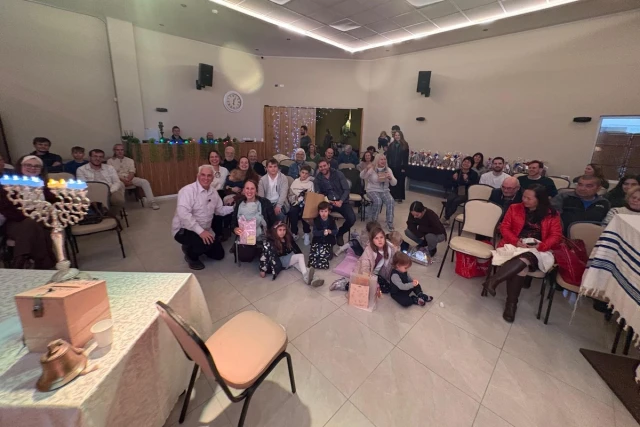
Israel Iluz leads the only Messianic congregation in Israel’s northernmost region. After a rocket narrowly missed their building, the community was forced to evacuate. Now they are returning – and in their absence, the congregation has grown by over 60%.
Pastor Iluz describes their multiple moves to 11 different locations as “wanderings,” uprooting from place to place over the last year and a half after being evacuated from the border town of Kiryat Shmona. “It’s good to be back home,” he tells ALL ISRAEL NEWS.
“We couldn't have stayed here,” he explains. “After the rocket fell next to our house, my wife and my daughter said, okay, enough, let's move! As a family, we had to move a few times, and as the church, we had to move 11 times because we could have met this place for a short time and that place for a short time,” he says, explaining they had to move and look for a new place after rockets fell more than once.
But that hasn’t stopped the congregation from thriving. “It's growing,” Iluz reports. “Literally it's growing every month…something good is happening here.”
“At the beginning of the war, we were about 50.” Today there are 80, and people keep coming. “It's very much a family,” he explains. “Something has been forming very good bonding, very good fellowship... It's a family tie that is there, that exists in our congregation.”
“We have meals together. Shabbat meals together many times.” More than that, the congregation serves on average between 600-700 meals to soldiers and those who need them every single shabbat. Iluz talked enthusiastically about the program serving men (“Iron Man”) and discipleship groups for women, along with their service to the huge numbers of soldiers stationed at the border, along with what was left of the decimated community.
The meal distribution grew out of his son Yonatan’s restaurant and became a huge enterprise feeding hundreds every day for free. “We had many volunteers to prepare the meal, so at the end of the day, we had a very smooth operation happening there,” he said.
“Obviously soldiers came in and out from our church, so that gave us an amazing opportunity to minister,” he said. “I don't know how many conversations and how many opportunities we had, but it was amazing.”
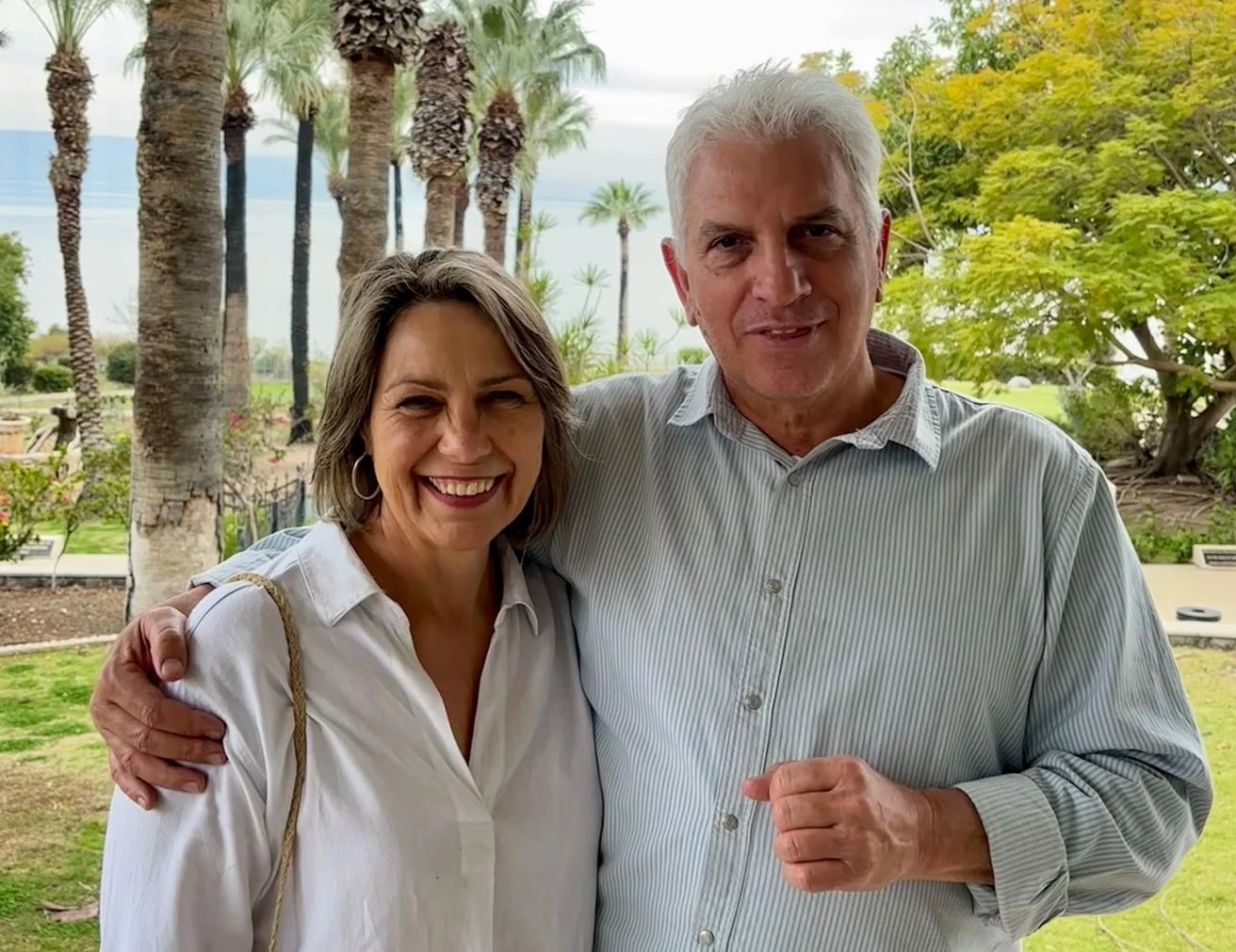
While families were fleeing and suppliers refused to deliver to the war-torn area, Christians from all over the world flooded in to help as volunteers. “Just to see soldiers sitting with volunteers, it was unbelievable, while Israelis couldn't come and didn't want to. Suppliers didn't want to come to the north – when they heard that we are in Kiryat Shmona they said, "Oh sorry, we don't go there.” But people from all over the world came.”
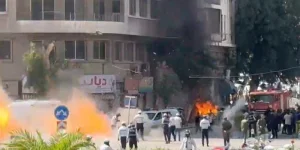
“It was a great encouragement,” he says. “So many people came to help while the rockets and [attack drones flying] all over us. And one of the rockets, as you obviously know, hit close to the church. Praise God, no one got hurt.”
“It's been a great experience to see the body of Messiah, not only the local body of Messiah, but the international body of Messiah come together in a time like this. It's been just a great privilege for me as the pastor of this congregation, seeing the congregation come together to serve and the body of Messiah locally and internationally coming to help.”
Iluz believes that the focus on service has helped his congregation weather the war emotionally. “And I think this has been a great key for us as a congregation, for healing, for restoration, for peace, for joy, for confidence,” saying that their hope was in Jesus.
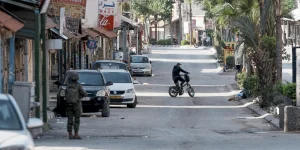
But the challenges continue. “Everything is shut down,” he says. “75% of [residents] came back, back to town, but out of a town of 24,000-25,000, only 16,000 are back…it's a little bit challenging to really see many shopping centers, many shops still closed down,” he says, adding that there have been protests by those who had returned recently, demanding more government help.
The Times of Israel reported one resident named Sima Alok complaining, “They brought us back to nothing. We have no security, no work, no teachers, no social workers. The government has abandoned us.”
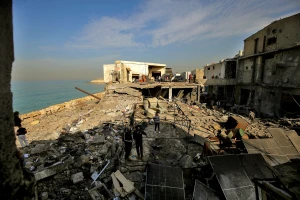
Tragically, 46 civilians in the area and 80 IDF soldiers and reservists were killed during the Hezbollah attacks, not to mention the extensive damage to the homes and buildings. Today around 60 percent of the residents of Kiryat Shmona have returned but barely half of the local businesses have reopened.
“It's not easy, but for us as a congregation, we had a great, great experience, I would say, a great experience that the Lord gave us, and a great opportunity,” Illuz said with gratitude, saying that their relationship with Jesus has saved them from a great deal of fear, frustration and trauma others were experiencing. “We put our trust, [our] citizenship, our hope, our value, our everything – everything is coming from Him.”
Even when someone who objected to the congregation’s activities made a negative video about them that went viral, the criticism backfired. “The response that he got was, 'shame on you! You were in Eilat and Tel Aviv during the war, while those people stayed to serve here!' So people realized that the whole town, the whole area was aware of what we're doing,” Iluz relayed. “You know, when evil starts to do something bad, God uses it for good.”
“And you know what? I had a conversation with the mayor of Kiryat Shmona the other day and he himself and the whole staff of the municipality are aware of what we have done,” he said. “We weren’t trying to blow the trumpet of what we're doing. We just did it. And it works in the end of the day for good.”
When asked if they feel safe there now, Iluz responded, “No, I'm not feeling safe,” and added that many may never return with Hezbollah still there, just over the border. “A lot of people will refuse to go back to those places. In Metula many are selling their properties and it's dead,” he said sadly. “But again, for us, as a congregation, praise God, here is something good, even during this time. From our congregation, nobody left. I thank God for that. No one left. Everybody came back. And as a congregation, as I said, we have grown during this time. So that’s great encouragement.”
You might also like to read this: