Pres. Aoun's White House gamble: Convincing Trump Lebanon can rein in Hezbollah
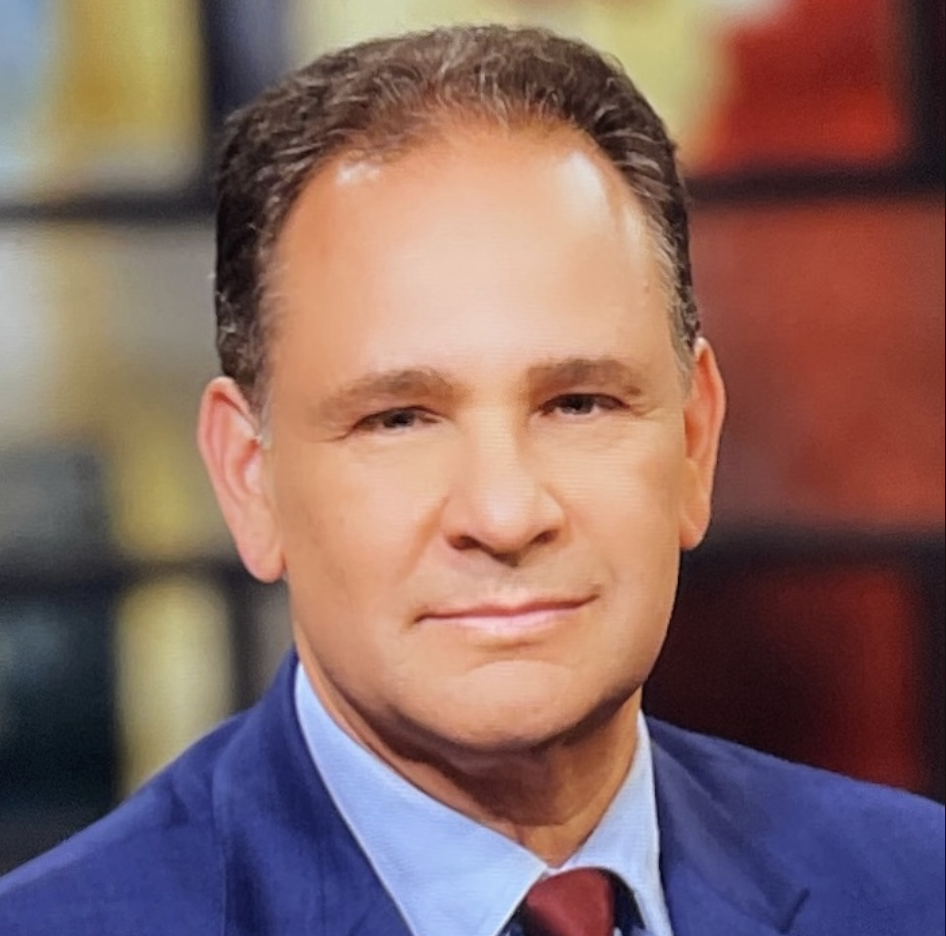




Lebanese President Joseph Aoun isn’t traveling to the White House simply for another diplomatic meeting this week. He’s coming for what may be the biggest opportunity Lebanon has had in years.
This should be interesting.
When Aoun sits down with President Donald Trump on Tuesday, he’ll be looking for something no Lebanese leader has been able to secure for decades: a pathway toward Israeli withdrawal from southern Lebanon.
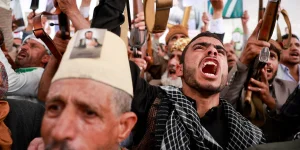
Of course, to accomplish that, Aoun will need to deliver – and that means figuring out how to roll back and ultimately neuter Hezbollah, the Iranian-backed terror group operating in the southern part of his country.
The Trump administration has made clear that Lebanon’s future hinges on one issue above all others: whether the Lebanese government – not Hezbollah – ultimately controls the country.
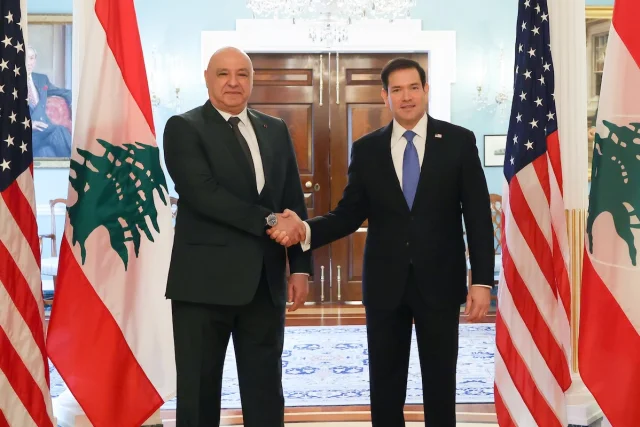
That reality framed Secretary of State Marco Rubio’s meeting with Aoun ahead of Tuesday’s White House visit.
“The future of Lebanon, the best thing that could happen to Lebanon, is to have a government, a legitimate government, his government, that controls the country,” Rubio said.
“The biggest problem Lebanon has is that you have a political movement that also has an armed militia that is not just well armed and trained and equipped and financed by Iran, but they use that to conduct terrorism, particularly against northern Israel. And as long as that problem exists, Lebanon will never fully be at peace.”
Rubio’s comments essentially laid out the Trump administration’s roadmap ahead of the crucial meeting between the two heads of state.
So let’s set the scene in a very straightforward way. Washington is prepared to back the Lebanese state, but the US administration has also made clear that it no longer intends to accept a parallel Iranian-backed military operating inside Lebanon.
To that end, the administration is placing a great deal of emphasis on strengthening the Lebanese Armed Forces while weakening Hezbollah’s grip over southern Lebanon.
“And so how do you defeat Hizballah? How do you replace Hizballah?” Rubio asked.
“You defeat and replace them with a government that is strong enough to be the sole force of arms in the country, basically with the security of Lebanon in the hands of the Lebanese Armed Forces, and a government that’s able to provide prosperity for its citizens.”
Those words also help explain why Aoun’s visit comes at such a consequential moment.
As we speak, the United States has already begun implementing a new security arrangement known as “pilot zones,” where Israeli forces begin withdrawing from selected villages while the Lebanese army assumes sole security responsibility and Hezbollah is expected to stay out. Whether Hezbollah actually does so remains to be seen.
These new actions are essentially a test to see whether the Lebanese government can enforce its authority in territory long dominated by Hezbollah.
As for the timing of the meeting, it appears favorable for Aoun. Trump has demonstrated repeatedly that he enjoys significant influence with Israeli Prime Minister Benjamin Netanyahu. Trump has frequently highlighted that aspect of their relationship.
Furthermore, Israel is facing growing criticism internationally over the ongoing regional conflicts. If there were ever a moment for Lebanon to secure a broader agreement involving Israeli withdrawals, reconstruction assistance and renewed investment, this may be it.
So the good news here is that Trump can influence Israel. The bad news is Trump cannot disarm Hezbollah. Only Lebanon can do that. The White House will be watching to see if Aoun can lead the way.
The Lebanese president has built his reputation not by confronting Hezbollah head-on, but by carefully trying to strengthen the Lebanese state without pushing the country back toward civil war. In essence, he has tried to thread the needle.
During his eight years as commander of the Lebanese Armed Forces, he kept the military out of a direct fight with Hezbollah, believing the army’s primary mission was preserving internal stability even as the group operated as a powerful armed force alongside the state.
Since becoming president in 2025, however, Aoun has taken a firmer public stance, and that hasn’t gone over well with Hezbollah. He has repeatedly declared that the Lebanese state alone should possess weapons, while insisting Hezbollah’s disarmament must come through dialogue and gradual integration rather than force.
His strategy has earned him trust in Washington and among many Lebanese who see him as a pragmatic reformer, but Hezbollah remains wary, viewing his closer alignment with the United States with suspicion.
For now, though, Hezbollah isn’t the focus. For the Lebanese president, the focus will be squarely on President Trump and convincing the leader of the free world that he can get the job done. If Trump’s public messaging is any indication, Aoun will need to demonstrate concrete progress – not simply make promises.
You might also like to read this: