New UN report: Girls, women in Gaza sold for food, forced to marry rapists


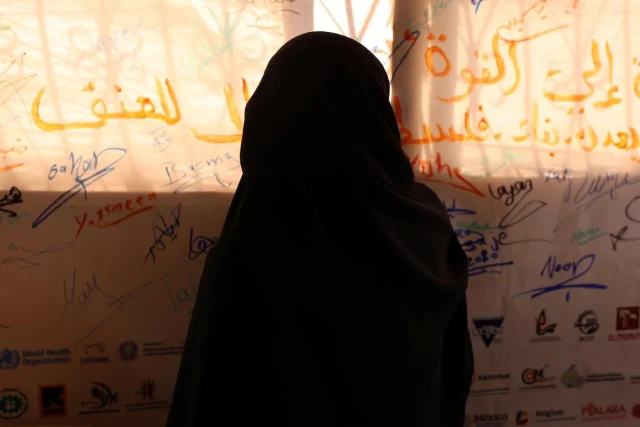
A UN agency has released a report detailing gender-based violence in Gaza, which has sharply risen in recent months, cataloging abuses such as forced marriage and physical assaults, along with psychological and emotional abuse and the denial of food, cash, and shelter.
The UN Population Fund (UNFPA) found that early and forced marriage had risen by 123% between April and June 2026 in comparison to the previous three months after collecting and analyzing data from ten organizations.
Gender-based violence (GBV) incidents rose by 60% in the first six months of the year according to the report, which pointed to a “deteriorating protection environment.” However, the agency said the expansion of protection services has made it easier for survivors to come forward. The victims in the report were aged 12 to 59.
UNFPA, the UN's sexual and reproductive health agency, claimed that women and girls are experiencing “multiple and intersecting forms of violence” in Gaza, compounded by “extreme survival conditions,” citing severe hunger, poverty, lack of income and school closures.
A woman speaking from a shelter in Gaza told the BBC that rape victims are often married to their rapists to avoid shame and scandal.
"When rape cases are discovered in schools, you find weddings and celebrations at the school the next day," she said.
Several others told of girls being sold for food.
"A man married off his 14-year-old daughter in exchange for two bags of flour so he and his [other] children could eat," the BBC was told.
The British news outlet claimed such atrocities were “unthinkable” before the war precipitated by the Hamas attack on Oct. 7, 2023, but that, according to UNFPA, the pre-war child marriage rate was 17.9% in 2022 and 28% back in 2009. The rate is currently 20.6% based on recent figures from the Supreme Shariah Court in Gaza.
The overwhelming majority of cases of gender based violence happened at the hands of close family members, according to the report. However, their safety audit of 15 displacement sites in the war-torn Strip also found “inadequate lighting, privacy, and water, sanitation and hygiene conditions” at all 15 sites.
“Women and girls reported limiting the use of toilets, reducing water intake, avoiding movement after dark and relying on escorts when moving around displacement sites,” UNFPA reported.
The report has echoes of the time almost ten years ago when UN expert on violence against women, Dubravka Simonovic, suggested that blame for the rising levels of GBV in the Palestinian territories lay with Israel.
Hillel Neuer of UN Watch challenged Simonovic’s report, suggesting there was a “clear linkage between the prolonged [Israeli] occupation and violence against [Palestinian] women,” pointing to the lack of data in the report to substantiate her claim.
“When Palestinian men beat their wives, it’s Israel’s fault,” he sardonically summarized. “Why did you fail to mention that official Palestinian TV regularly broadcasts Islamic preachers who tell the people how to beat their wives?” he asked, requesting comparable data on GBV in other Islamic countries.
“Is it right to continue infantilizing Palestinians, such that when a man in Ramallah beats his wife, we encourage him to say ‘Israel made me do it’?” asked Neuer.
However, the recent UNFPA report on Gaza has identified several factors directly related to wartime conditions which have further compounded the existing risks to women’s safety.
The report shows that, of the gender based violence reported, physical assaults accounted for 31%, often occurring in overcrowded tents, along displacement routes, and around public water points. Similarly, the erosion of infrastructure such as medical care and social protection networks has impacted the safety of women and girls in multiple ways.
Nestor Owomuhangi, UNFPA's Palestine Country Representative, commented on the recorded rise in GBV. "Behind this alarming surge in reported incidents lies a devastating breakdown of safety and human dignity," he said.
None of the 209 health service delivery units they assessed in Gaza were fully functioning, and as the report noted, when child marriage rises, so does adolescent pregnancy along with childbirth complications.
"While UNFPA and our partners continue to expand safe spaces and frontline support, hundreds of thousands of displaced women and girls remain vulnerable, without access to basic privacy, safety, or emergency maternal healthcare,” said Owomuhangi. “Funding for gender-based violence response and prevention must be treated as a non-negotiable pillar of humanitarian response.”
You might also like to read this: