





Lebanon asks France to help secure international force to replace UNIFIL after 2026 withdrawal

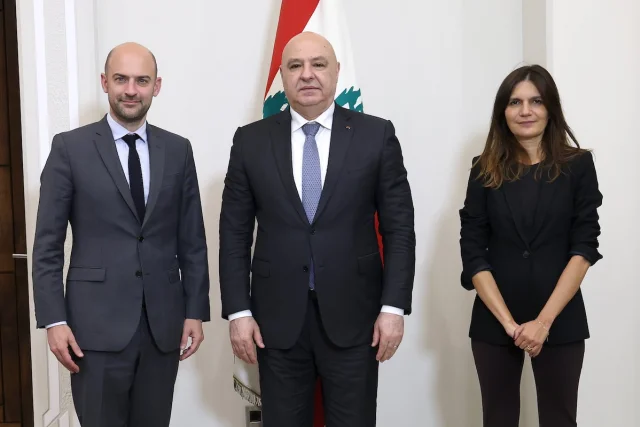
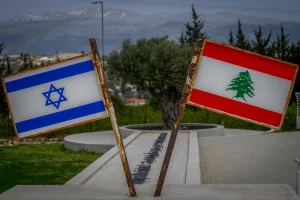
Lebanese President Joseph Aoun has asked France for assistance in securing an international peacekeeping force to replace the United Nations Interim Force in Lebanon (UNIFIL) when its mandate ends in December 2026.
The request comes as Beirut seeks to prevent a security vacuum in southern Lebanon while negotiations continue over Hezbollah’s disarmament and the conflict with Israel.
French Foreign Minister Jean-Noel Barrot arrived in Lebanon on Saturday for a two-day visit to discuss “mechanisms for an international presence” in the south amid ongoing hostilities between Israel and the Iranian-backed Hezbollah terrorist organization.
France and Lebanon maintain close relations rooted in Lebanon’s history as a former French mandate.
UNIFIL has been deployed in southern Lebanon for decades, but it has failed to disarm Hezbollah or prevent the group from attacking Israel. Israel has also accused the peacekeeping force of turning a blind eye to Hezbollah’s military activities.
In August 2025, the United Nations Security Council voted to extend UNIFIL’s mandate for a “final time,” with the mission scheduled to begin withdrawing at the end of 2026.
“UNIFIL to cease its operations on 31 December 2026 and to start from this date and within one year its orderly and safe drawdown and withdrawal of its personnel, in close consultation with the Government of Lebanon with the aim of making the Lebanese Government the sole provider of security in southern Lebanon,” the UN resolution states.
The resolution followed a compromise between the United States and France. During his meeting with Barrot, Aoun stressed that Lebanon would prefer UNIFIL to remain in place. However, he said Beirut would consider alternatives if that proved impossible.
“If this proves impossible, Lebanon welcomes any arrangement that ensures an international presence in the south, prevents a vacuum, and avoids placing the Lebanese army in direct contact with the Israeli army,” Aoun said.
Israel, by contrast, has favored direct coordination with the Lebanese armed forces to address the Hezbollah threat to both countries. Such coordination remains complicated by the absence of official diplomatic relations between Israel and Lebanon.
The United States has brokered several rounds of high-level talks between Israel and Lebanon in recent months in an effort to end hostilities. The next round is scheduled for Tuesday in Tampa, Florida.
In a post on 𝕏 on Saturday, the Lebanese presidency said Lebanese military officials would present Beirut’s plan for ending Israeli military operations against Hezbollah in Lebanon.
Hezbollah attacked Israel on Oct. 8, 2023, the day after the Hamas-led Oct. 7 massacre that killed approximately 1,200 people in Israel. The group resumed attacks in March 2026. Israel responded with military operations that severely degraded Hezbollah’s capabilities and killed much of its leadership, including longtime leader Hassan Nasrallah.
In June, Lebanon, Israel and the United States signed a trilateral agreement linking an Israeli military withdrawal to Hezbollah’s disarmament and the withdrawal of the group’s forces from southern Lebanon.
Questions remain over whether the Lebanese authorities are both willing and able to confront and disarm the powerful Iranian-backed organization.
Hezbollah has refused to disarm and vowed to continue attacking Israel as long as Israeli forces remain in southern Lebanon. However, Israeli troops were not in Lebanon when Hezbollah launched its Oct. 8, 2023, attack.
You might also like to read this: