'IN THE WAR ROOM' – Inside the clashes that divided Israel’s leadership
Part One of interview series on THE ROSENBERG REPORT: The inside story of the leaders, rivalries and decisions that shaped Israel’s longest war



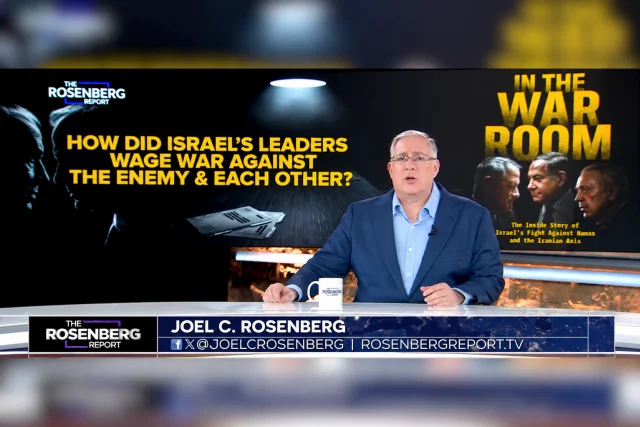
What really happened inside Israel’s top-secret war room after Oct. 7, 2023? Who was making the decisions, what were Israel’s leaders arguing about behind closed doors, and how did a deeply divided leadership make some of the most consequential decisions in the country’s history?
Those questions are at the heart of "In the War Room: The Inside Story of Israel's Fight Against Hamas and the Iranian Axis," the Amazon #1 bestseller co-authored by Jerusalem Post senior military correspondent Yonah Jeremy Bob and Elliot Kaufman, a Wall Street Journal Editorial Board member and writer.
In this three-part series on THE ROSENBERG REPORT, host and ALL ISRAEL NEWS Editor-in-Chief Joel Rosenberg speaks with the authors about their reporting and exclusive interviews with Prime Minister Benjamin Netanyahu, former Defense Minister Yoav Gallant, former IDF Defense Minister Benny Gantz, former IDF Chief Gadi Eisenkot, senior Israeli military and intelligence officials, and key American officials from the Biden and Trump administrations.
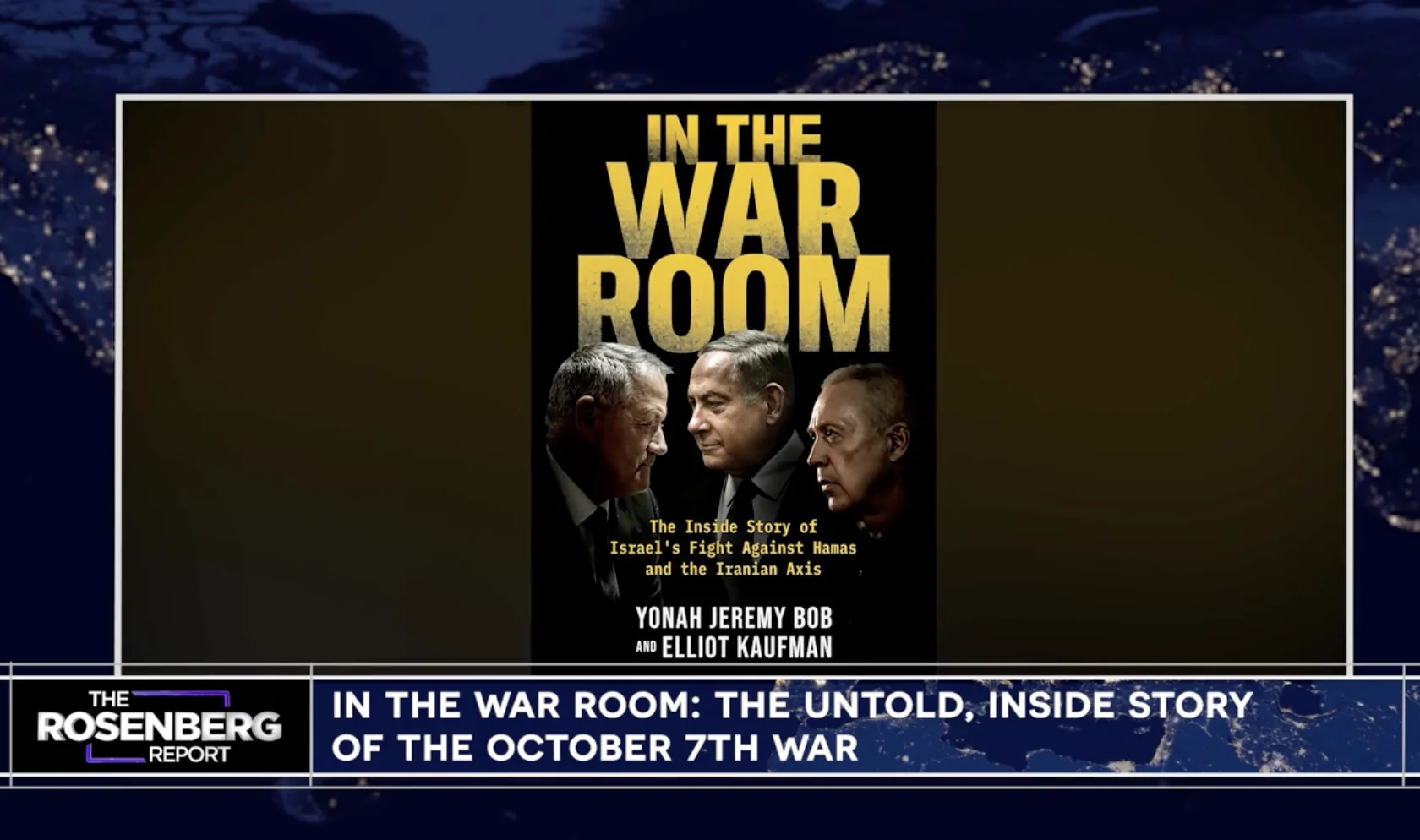
Together, the discussions offer a rare look inside the debates and personalities behind Israel’s biggest wartime decisions – from the threat posed by Hezbollah and the battles over Gaza and the hostages to the decision to take the fight directly to Iran.
Rosenberg opens the first interview with Yonah Jeremy Bob by going straight to the heart of the story: the individuals making decisions inside Israel’s war room. What emerges is a leadership team marked by deep divisions, competing personalities and little trust.
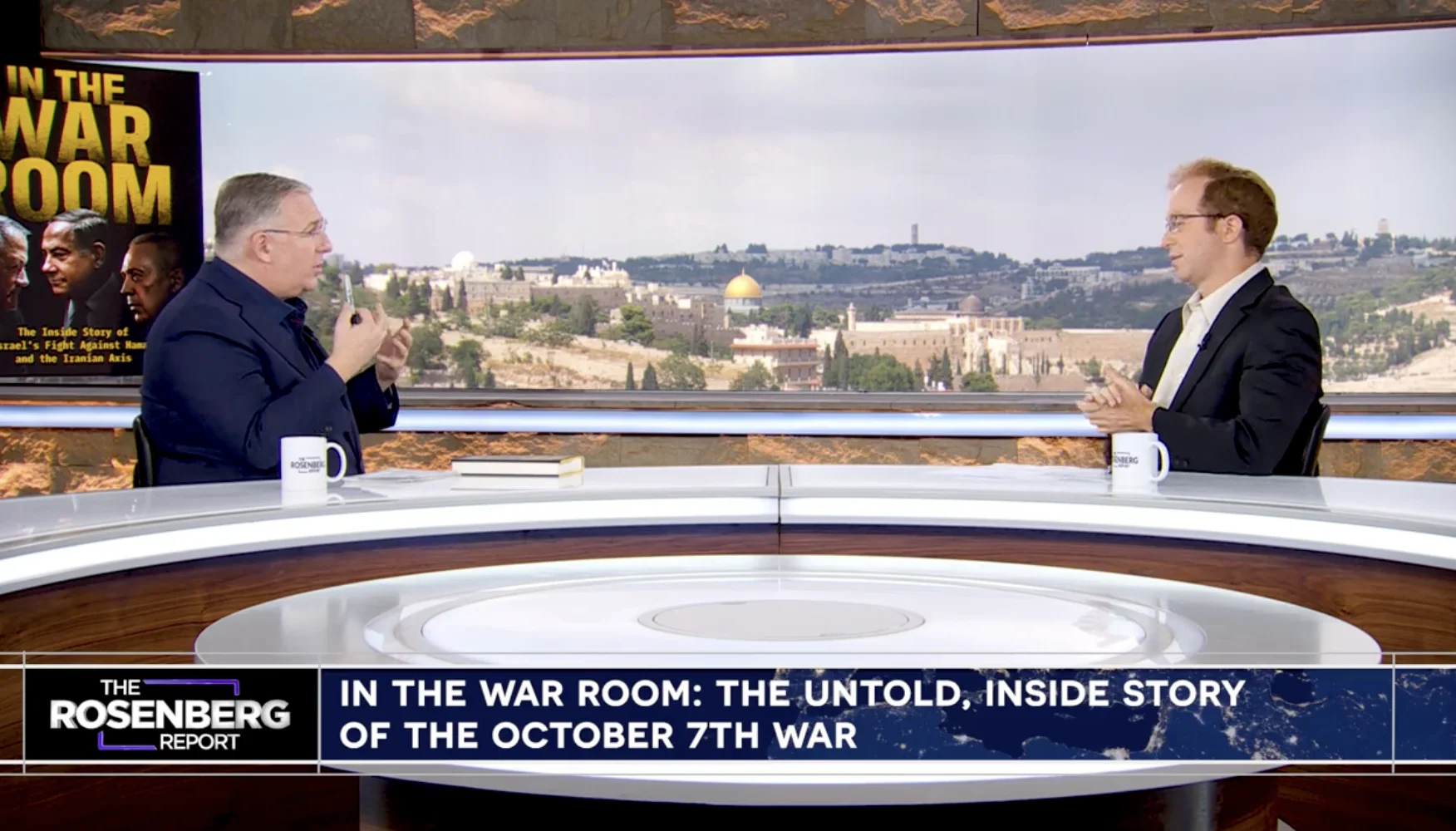
Just days after the Hamas attack on Oct. 7, Prime Minister Benjamin “Bibi” Netanyahu brought Benny Gantz and Gadi Eisenkot, two opposition leaders and former senior military commanders, into the government. Rosenberg said he considers it one of Netanyahu’s smarter decisions because it brought leaders with very different experiences, values and perspectives into the room at a moment when Israel needed unity.
But the personalities around the table could hardly have been more different.
Bob describes Netanyahu as “the most charismatic Israeli leader in history” – an experienced political survivor, gifted speaker and extraordinarily skilled political operator who has repeatedly outmaneuvered his opponents. Rosenberg referred to him as “a shrewd political cat” with “nine lives, maybe more.”
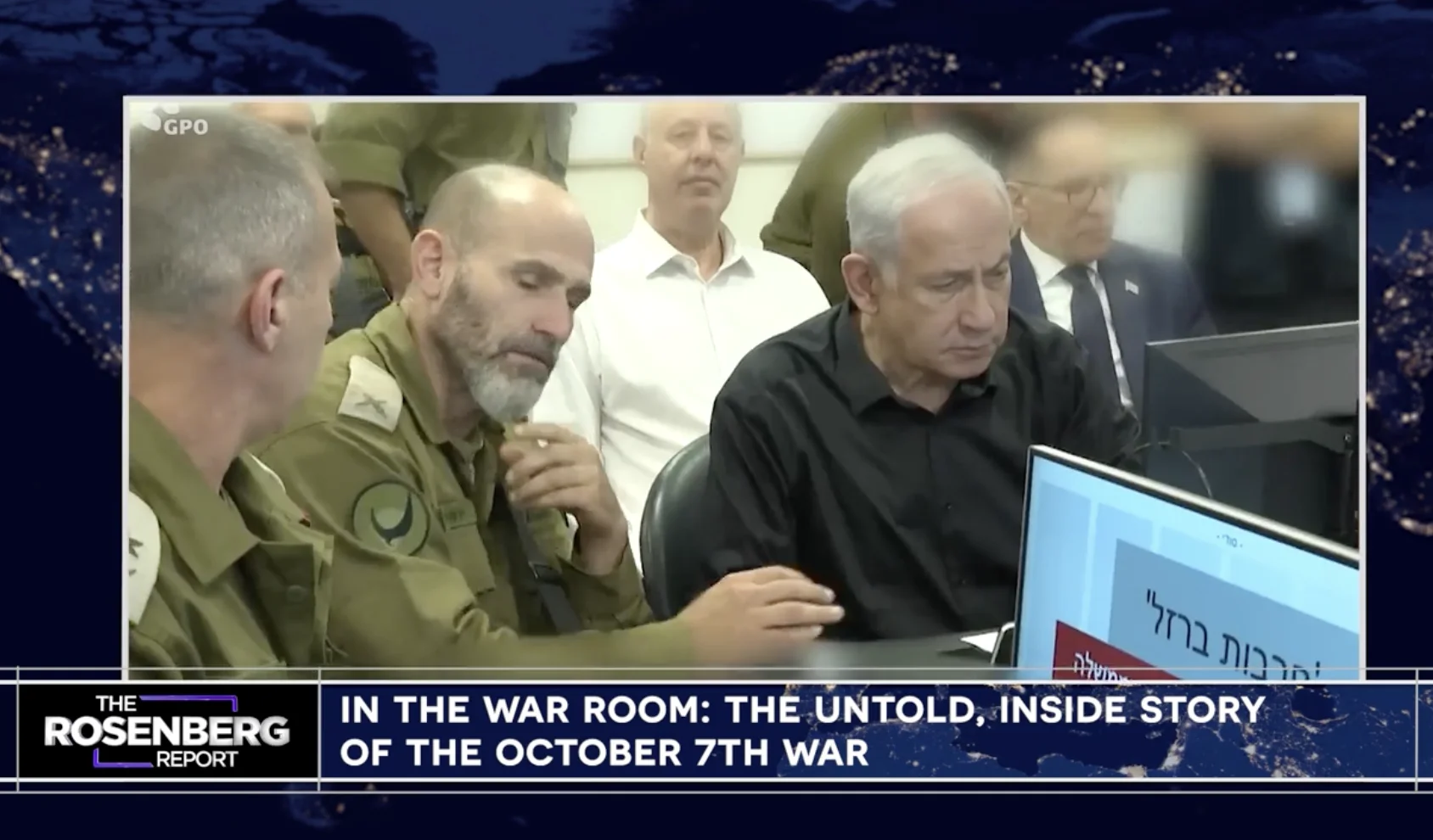
Eisenkot was almost the opposite. Bob describes the former IDF chief as having “very little charisma,” but says his supporters viewed him as authentic and straightforward. Their differences also reflected very different personal histories.
Netanyahu came from what Rosenberg described as an Israeli political “royalty,” with European Ashkenazi Jewish roots and a traditional center-right outlook that moved further right during the war. On the other hand, Eisenkot came from a Moroccan Jewish, more blue-collar background and represented a more centrist approach. Bob said he believes Eisenkot’s ethnic background could be a factor if he wins.
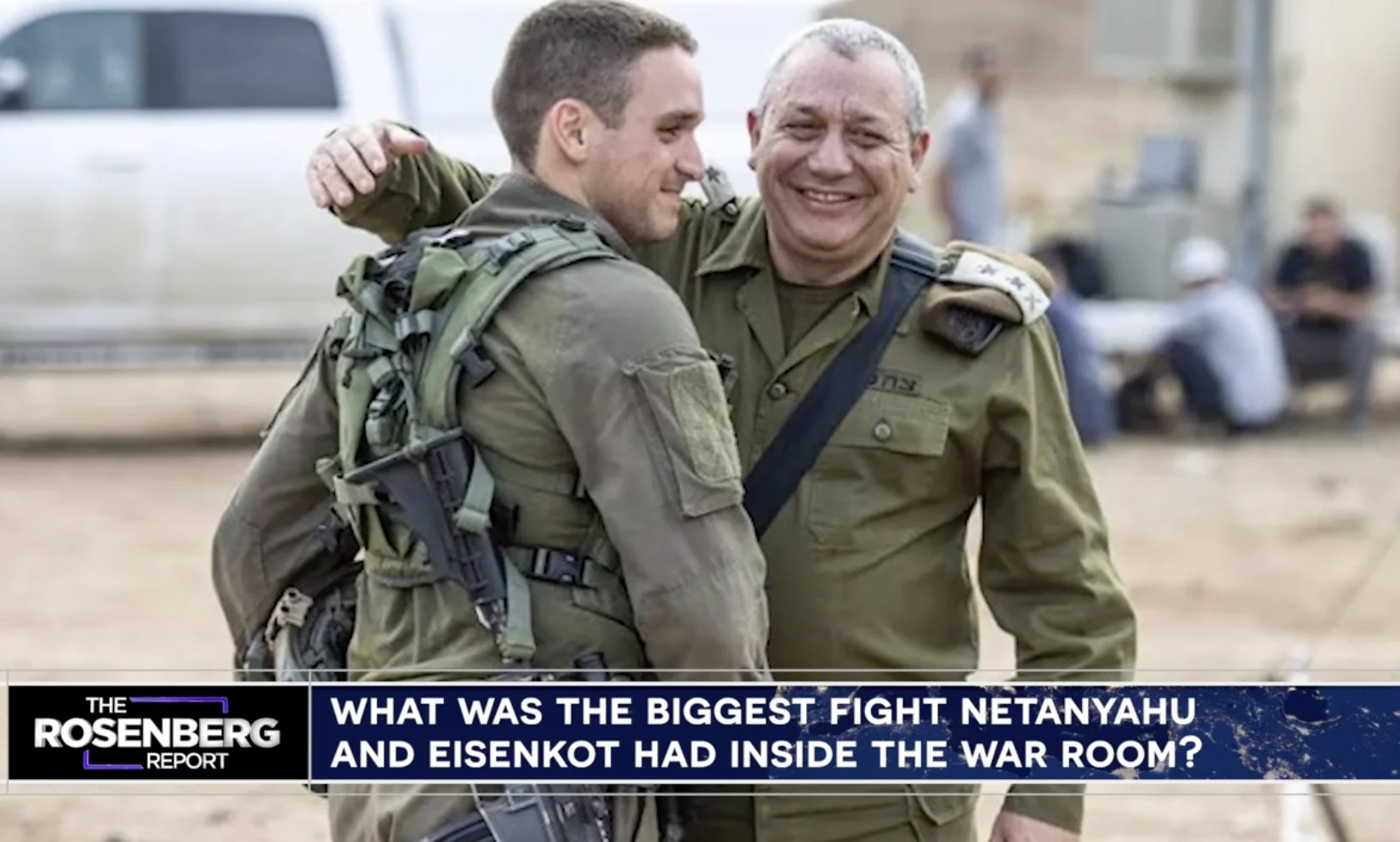
Bob told Rosenberg that Israelis were much happier when there was a national unity government, with government and opposition leaders working together. “Somehow they made it work,” he said.
While observing what went on inside the war room, Bob acknowledged that there were shouting matches, officials walking out of meetings and deep distrust among senior members of the leadership. The distrust was so intense that leaders feared any information shared in the room could leak. And information did leak.
The distrust had a history. Months before Oct. 7, Netanyahu had attempted to fire Gallant after the then-defense minister warned that the domestic political crisis surrounding the government’s judicial reform plan could weaken Israel and create an opening for its enemies, Rosenberg said.
The attempt to remove Gallant backfired, and Gallant remained in his position. Then Oct. 7 happened.
Suddenly, the same leaders who had been fighting over Israel’s future were responsible for decisions about a war that could determine whether the country itself was secure. Netanyahu’s decision to bring Gantz and Eisenkot into the government meant that the wartime leadership included men who did not necessarily agree with the prime minister – or with one another.
Yet for months, they managed to work together. “Somehow they made it work,” Bob said.
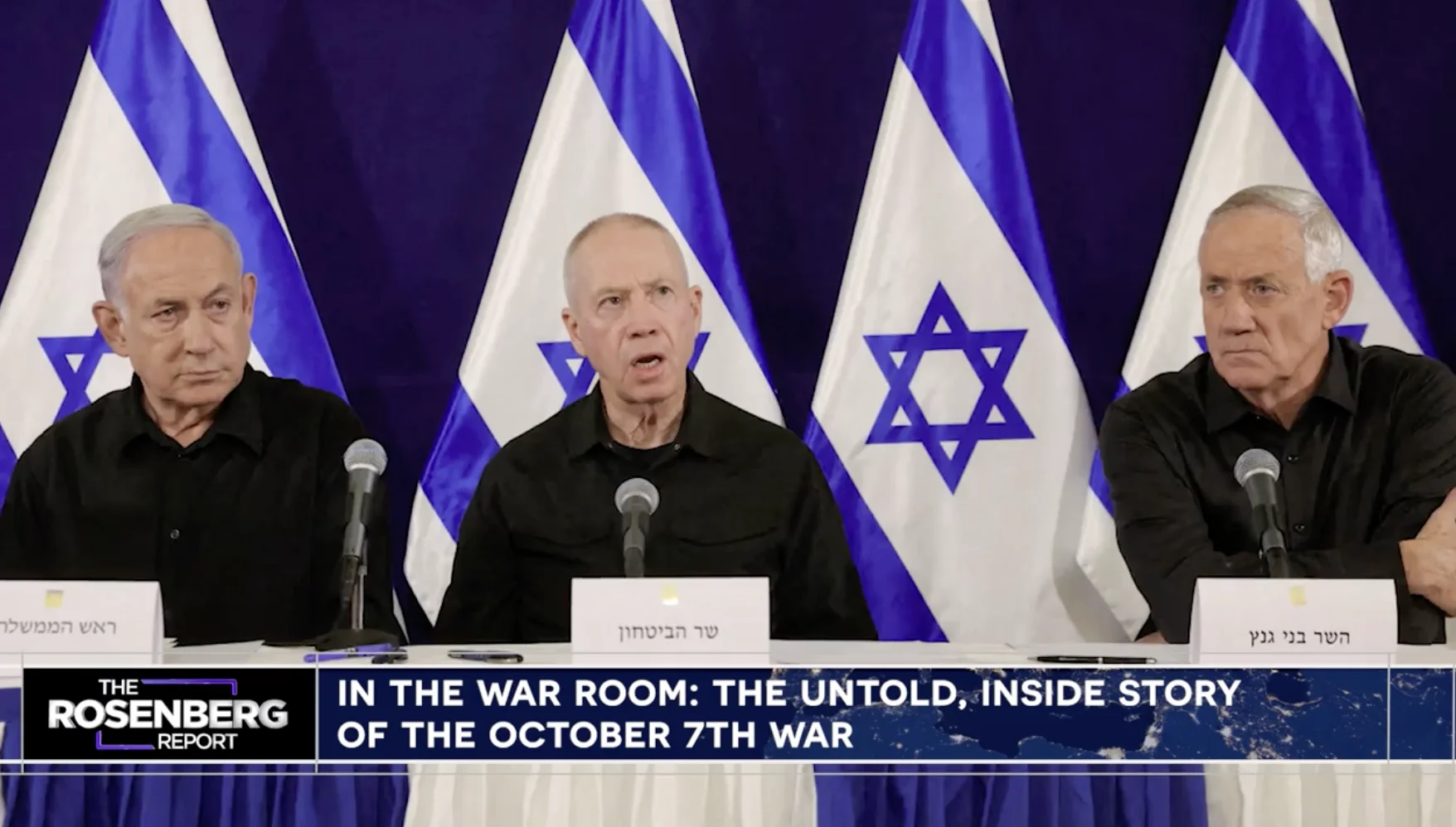
Israel was now fighting a major war in Gaza while facing the very real possibility that Hezbollah could open a far larger front in the north. Whatever their personal disagreements, the leaders understood that “Israeli national security at this point in time needs us to act together for the country to survive,” Bob said.
One of the most consequential disagreements involved whether Israel should continue the war in Gaza or accept a hostage deal that could bring some or all of the captives home but potentially leave Hamas intact.
In early 2024, Bob said, Gantz and Eisenkot initially continued to support an Israeli operation in Rafah. But as the Biden administration pressed the possibility of a deal that could bring most or even all of the hostages home while potentially paving the way for Saudi-Israeli normalization, Eisenkot’s position began to shift. "If Israel had a realistic chance to secure the hostages’ release, he became increasingly willing to consider that option over continuing the military campaign," Bob said.
By the spring of 2024, Israel had significantly weakened Hamas.
“The numbers: 17 out of Hamas' 24 battalions had been taken apart. Seven hadn't been,” Bob said. “And if the idea was that somebody else other than Hamas is going to run Gaza, they can't have seven battalions. They can't have four battalions. Could you have left them one battalion? Maybe you could have played with that idea, but there's no real way to do that. You're either going into Rafah and a couple of parts of central Gaza you haven't gone into, or you're not. There's no sort of halfway at this point.”
Netanyahu disagreed. In Bibi's view, leaving a significant portion of Hamas’ military structure intact would mean leaving the organization capable of continuing to rule Gaza.
The disagreement exposed a fundamental difference in how the leaders understood the war.
Gantz and Eisenkot were willing to consider concessions if it meant securing a historic normalization agreement with Saudi Arabia. Netanyahu, however, was not willing to make those concessions at any price, even though he also strongly wanted a deal with Saudi Arabia.
With an Israeli election later this month, Rosenberg framed the competing positions from Netanyahu’s perspective. Bibi could argue that Eisenkot’s approach might have secured important gains, including a hostage deal and potentially normalization with Saudi Arabia, but at the cost of ending the war before Hamas had been fully dismantled. In Netanyahu’s view, that would have amounted to a premature surrender.
Kaufman described what could be Eisenkot’s counterargument: Hamas remained in power despite the destruction of its organized military battalions. In his view, Netanyahu’s refusal to consider the Trump administration’s proposal for some role for the Palestinian Authority in governing Gaza left unresolved the larger question of who would replace Hamas. That, in turn, would have led to another debate: whether bringing in the Palestinian Authority would provide a workable alternative to Hamas or create a different set of problems for Israel.
One of the most striking parts of Bob’s account involves Eisenkot himself.
While serving in the war room and helping make decisions about Israel’s military campaign, Eisenkot’s own son, Gal, was serving as a combat soldier in Gaza and was killed in battle. Two of Eisenkot’s nephews were also killed. Bob noted that Eisenkot’s personal loss also gave him what he described as a ‘sympathy vote’ among Israelis. But his role in the war went far beyond that. Eisenkot was not simply a grieving father watching the war from the outside.
“He was absolutely making decisions that he knew, you know, could put his son in danger,” Bob told Rosenberg.
In the next installment of the interview series based on the book, “In the War Room,” co-author Elliot Kaufman takes Joel Rosenberg inside the high-stakes debate over whether Israel should have launched a major attack on Hezbollah immediately after Oct. 7. Kaufman also examines the controversial operation in Doha, Qatar, which ultimately may have helped create the leverage for renewed negotiations over the release of the hostages.
THE ROSENBERG REPORT airs Thursday nights at 9 p.m. EST and Saturday nights at 9:30 p.m. EST – on the Trinity Broadcasting Network (TBN), the most-watched Christian television network in the United States.
You might also like to read this: