One in 5 Israelis struggle with ongoing psychological distress 3 years after Oct 7 attack – report



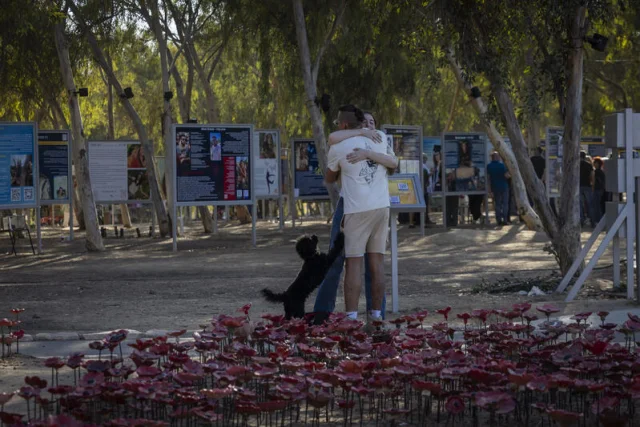
Three years after the Hamas-led Oct. 7, 2023, attacks on Israel, one in five Israelis are experiencing significant psychological distress that affects their daily functioning, according to a new National Mental Health Barometer survey published by Clalit Health Services’ Research Institute and Israel's Myers-JDC-Brookdale (MJB) Institute.
The findings include significant symptoms of anxiety, depression or post-traumatic stress disorder (PTSD). The study also found that young women are the demographic group most likely to experience persistent psychological distress. Furthermore, the reported figures are significantly higher than what is considered “normative levels” for psychological distress and trauma.
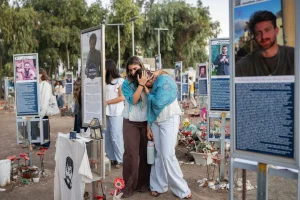
According to the MJB study, 15% of respondents had direct exposure to the Oct. 7 attacks or their aftermath. This included being present in the Gaza border region on or immediately after the attacks, or personally knowing someone who was killed, wounded or taken hostage.
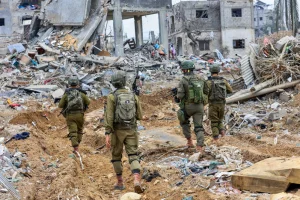
The report also noted that Israelis have faced repeated exposure to rocket, missile and drone attacks over the past three years, forcing many to seek shelter. Widespread exposure to videos and images of atrocities and violence may also be contributing to ongoing psychological distress.
"The data once again demonstrate just how unprecedented October 7 was globally in terms of the scale of the population’s exposure to trauma, both directly and indirectly through exposure to disturbing videos and media content," says Prof. Ran Balicer, deputy director general and head of the Innovation Division at Clalit Health Services. "We have much work ahead to continue expanding mental health services, remove barriers to access and make proactive and diverse treatment more accessible, tailored specifically to groups at risk.”
The researchers also highlighted the strain on social support networks, noting that recent events have made it more difficult for some people to maintain relationships and social activities.
"One of the issues of particular concern is the impact on the social dimension of people’s lives. People are reducing their leisure activities, struggling to maintain close relationships and in some cases becoming more isolated, precisely when family, friends, routine and activity are among the key sources of support they themselves identify as helping them cope," Hadar Samuel, a researcher with the MJB Institute Health Policy team, said.
“As we expected, most of the population is recovering. Alongside this, there is a substantial core of people who continue to struggle and fight, and it is therefore important to continue supporting them through existing approaches while also diversifying and offering new ways of coping."
Samuel emphasized that strengthening family, community and social networks is essential to helping Israelis cope with the war’s psychological impact, alongside expanding access to mental health treatment.
You might also like to read this: