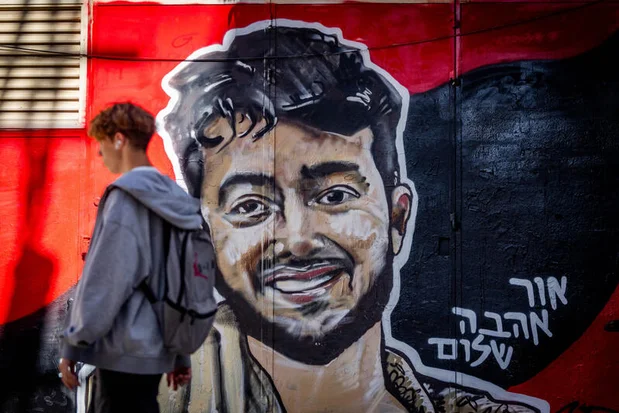









Israel approves comprehensive PTSD program as wartime trauma surges among IDF soldiers
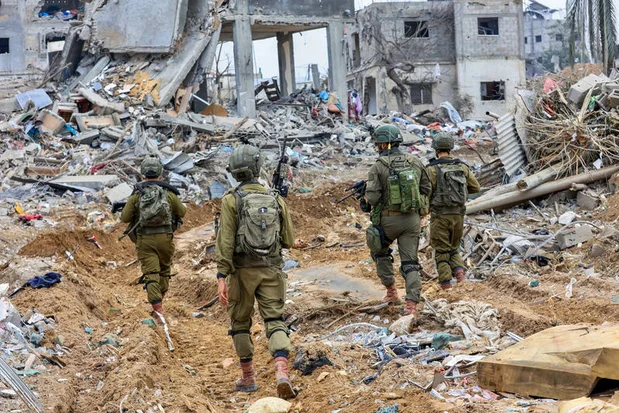
The Israeli government approved last week a comprehensive reform designed to address the sharp rise in post-traumatic stress disorder (PTSD) among wounded and traumatized soldiers after nearly three years of conflict with Hamas, Hezbollah, the Houthis and other Iranian-backed groups, as well as direct military confrontation with Iran.
The overhaul comes as Israel faces an unprecedented surge in psychological injuries following the Hamas-led Oct. 7, 2023, massacre and the subsequent conflicts in Gaza, Lebanon, Iran and other fronts. A government committee led by Prof. Shlomo Mor-Yosef helped shape the reform, which is intended to improve care for roughly 50,000 IDF current and former IDF personnel suffering from trauma-related conditions
In his announcement, Israeli Prime Minister Benjamin Netanyahu described the initiative as “an unparalleled important national program for wounded soldiers and security forces – the male and female heroes who fought for the existence and the security of the State of Israel… the program will remove red tape, shorten waiting periods, widen responses and ensure that each person will be able to rapidly maximize their rights and receive all the aid allotted to them.”
Defense Minister Israel Katz stressed that Israel has a long-term obligation to those who have served, saying the country must “be there for each male and female soldier who is wounded physically or emotionally, and not only on the day in which they are harmed, but rather throughout the process of their rehabilitation.”
The need for expanded mental health services is expected to grow substantially. The Defense Ministry warned that the number of wounded IDF personnel could exceed 100,000 by 2030. Prof. Mor-Yosef concluded that the ministry's current structure, divided among 25 separate subdivisions, cannot efficiently manage the growing demand for rehabilitation and mental health services. The plan envisions establishing an independent authority with its own budget, resources and technological infrastructure to streamline care for wounded and traumatized service members.
The psychological toll of the war extends well beyond the soldiers themselves. A study released earlier this month found widespread PTSD symptoms among children and spouses of IDF reservists, highlighting the broader impact on Israeli families.
"Reservist families are paying the highest emotional and family price," said Reichman University Professor Ruth Feldman, who heads the Center for Developmental Social Neuroscience and led the study.
"Their children are paying, and will continue to pay, a very high emotional and physiological price unless we provide trauma-focused treatment. Without intervention, the consequences will accompany Israeli society for years," Feldman warned.
The scale of the challenge has also changed dramatically. In previous wars, psychological trauma accounted for roughly 15% of claims filed by wounded IDF personnel. During the current conflict, trauma-related cases now make up nearly half of all claims, underscoring how the prolonged conflict has transformed psychological trauma into one of the military's most pressing long-term challenges.
Popular article:
interview Easter message of resurrection hope amid war at Jerusalem's Garden Tomb

biblical commentary Let my people go: a Passover message for today
4 IDF soldiers killed, 2 wounded in fighting in southern Lebanon, as Israel eliminates dozens of Hezbollah terrorists
Receive latest news & updates
A message from All Israel News
Help us educate Christians on a daily basis about what is happening in Israel & the Middle East and why it matters.
For as little as $10, you can support ALL ISRAEL NEWS, a non-profit media organization that is supported by readers like you.
Latest articles:

Israeli fighter jets flew to Iranian border in ‘power projection,’ deterrence exercise ahead of elections next week

Israeli intel chief Zini travels to France to give counterterrorism advice amid violent riots – report
Founding trustee of Oxford’s Islamic studies department believed Muslims should ‘continue the work of Hitler’

'Peaceful dialogue is not a crime:' Petition urges Lebanon to abolish its Israel Boycott Law
Israeli defense companies expand global reach with new deals in Cyprus, Germany and Canada