Open on Sabbath: Jerusalem cafe remains flashpoint in conflict between ultra-Orthodox & secular residents




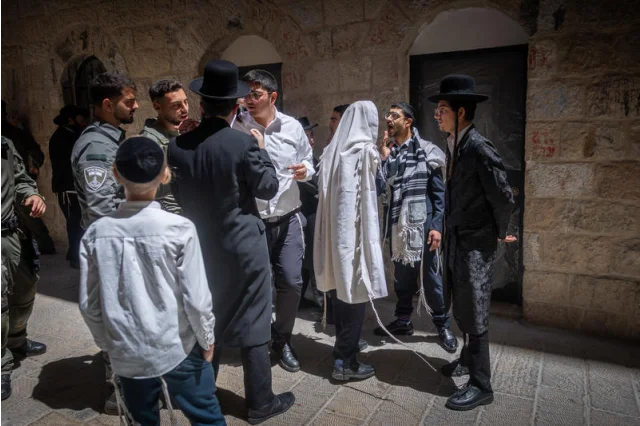
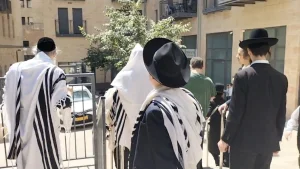
Cafe Basimta, a small establishment in an alley off Agripas Street in central Jerusalem, has remained a focal point of tensions between Haredi (ultra-Orthodox) and secular residents after its owners decided to remain open on Shabbat (Saturday) – the Jewish day of rest.
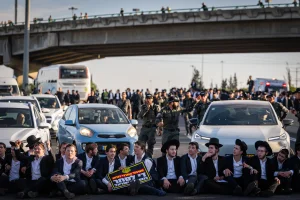
Over the past three Saturdays, small groups of Haredi youth have gathered outside the cafe protesting its operation on Shabbat and directing verbal criticism and abuse at employees and customers. Protesters were heard shouting, “Stop destroying Jerusalem,” and some attempted to block the entrance to the cafe.
Police have responded to the disruptions by erecting barricades to prevent Haredi youths from approaching the entrance and maintaining a visible presence in the alley to ensure the safety of all those present.
At the same time, larger groups of mostly secular Jerusalem residents have mobilized online to visit the cafe in a show of support for the business and its decision to remain open.
Jerusalem Deputy Mayor Adir Schwartz visited the cafe on Saturday and told journalists he was “standing by the business owners and made it clear that a handful of extremists cannot dictate to Jerusalemites how to live.”
This is the second week in a row that Schwartz visited the cafe. On July 11, he told reporters that activists from Hitorerut – a grassroots Zionist and pluralistic political movement – had been present throughout Shabbat to support the business owners.
He said they made it clear that “a small group of extremists would not be allowed to dictate to Jerusalem residents how to live." He added, "We will continue to be there, support local businesses, and preserve a free Jerusalem that belongs to everyone.”
Other supporters of the cafe agreed with Shwartz's sentiment.
“Shabbat is the day of rest, and these guys should give it a rest,” one secular demonstrator who asked not to be identified told The Times of Israel. He added that “all young men have kinetic energy which has to be channeled in a positive way or it will manifest in destructive ways."
He argued that because these ultra-Orthodox young men aren’t working at a job or playing sports or enlisting in the IDF, they have fewer outlets for that energy. In his opinion, such protests mean that "they’re less likely to fight amongst themselves in the Yeshivot." He added, "I have cousins who are Haredi rabbis and some of them work in the yeshiva system here in Jerusalem. They’ve explained all this to me without any shame whatsoever. They don’t see anything wrong with it.”
Although Jerusalem has legal restrictions on businesses operating on Shabbat, there are many exceptions, especially in neighborhoods with large Arab or secular populations. The demonstrations outside Cafe Basimta have also declined in size since the first protest on July 4, when hundreds of Haredi activists gathered, with some protesters reportedly banging on windows and damaging furniture.
In contrast, during the most recent Shabbat, Haredi demonstrators were significantly outnumbered by secular residents and other supporters who gathered to show support and patronize the business.
Please take a moment to join believers worldwide praying for Israel right now. Add your light to the live prayer map—and show the world one more watchman praying for the peace of Jerusalem.

You might also like to read this: