Israel's Weizmann Institute drops out of top 100 in Nature Index after Iranian missile damage




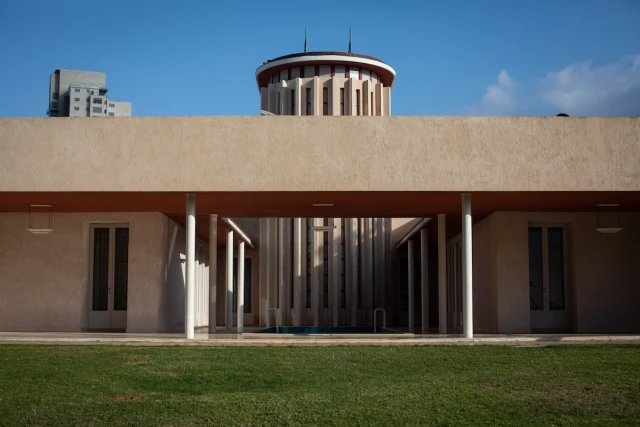
The Israeli Weizmann Institute in Rehovot has for the first time dropped out of the top 100 Nature Index of the world’s most prominent scientific “Research Leaders” institutions. The prominent Israeli research institute dropped dramatically to the 111th place compared to its 75th position last year. The downgrade in ranking comes merely six months after an Iranian missile partially damaged advanced Weizmann laboratories during the 12-day-war between Israel and Iran in June 2025.
Harvard University remained the top-ranked institution for a second consecutive year.
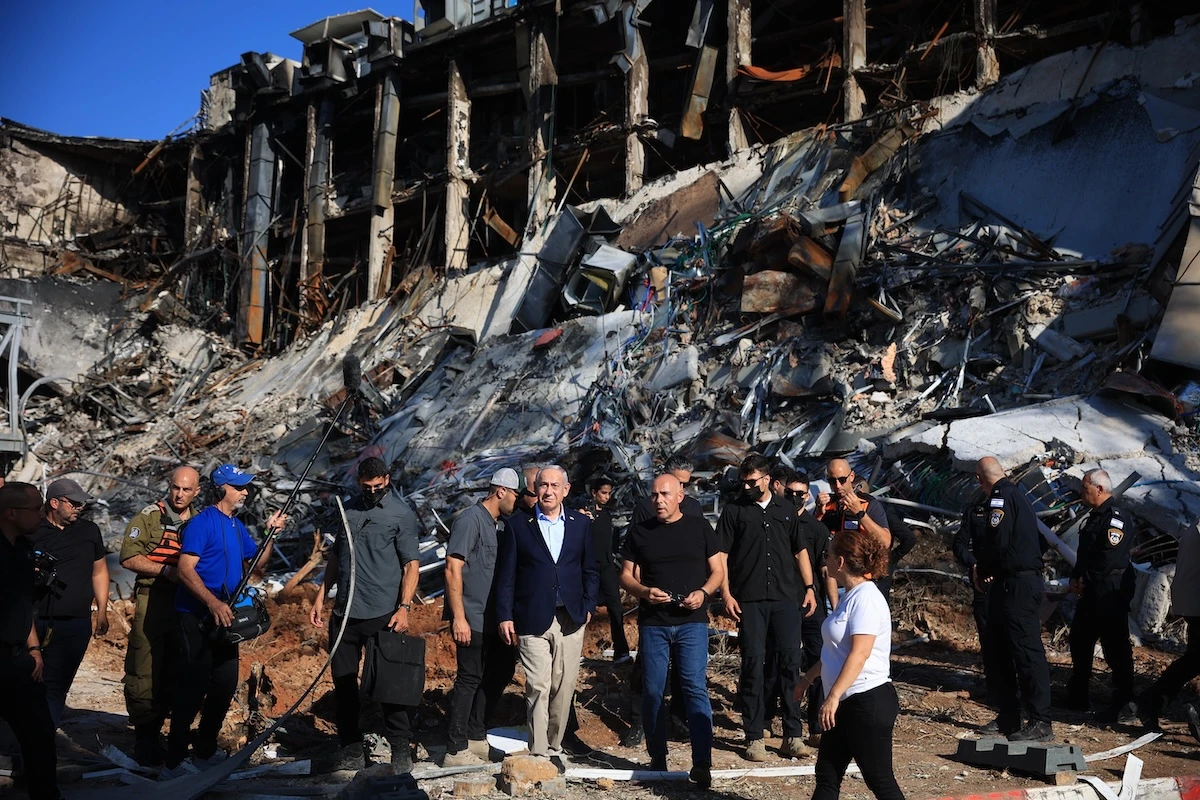
The Weizmann President Professor Alon Chen announced after the war that 52 research labs and six service labs were taken out of operation due to the Iranian missile damage. The implication was that between 20% to 25% of the institute’s research activity was effectively closed. Furthermore, the Iranian missile damage also caused material damage to buildings and equipment amounting to some NIS 1.5–2 billion ($470 million to $630 million).
“If we bought a microscope for a scientist five years ago for $1 million, the real compensation value is only $200,000, while a new one now costs around $1.5 million,” Chen assessed at the time.
The Weizmann Institute professors Liran Shlush and Amos Tanay survived the Iranian missile attack. Following the war, Slush revealed that his lab was located in an institute building that was hit by an Iranian missile.
“My lab was in the building that took the hit,” Prof. Shlush said.
“Luckily, the lab itself wasn’t too badly damaged, but the building was deemed unfit for use for a long time. When we found out the power had gone out, we knew we had to act fast. The clinical samples – ours and others' – were stored in freezers that were at risk of shutting down,” he explained.
In the overall Nature Index ranking, which includes non-academic research bodies, the Weizmann Institute fell from 82nd to 122nd place. This is the institute’s lowest ranking since the index was introduced in 2014.
In 2017, the Weizmann Institute reached its peak ranking, placing 47th among the world’s leading academic institutions and 54th overall.
While the Iranian missile damage might have contributed to the decline in ranking, fresh data reveal that there has in recent years been a general decline in ranking among Israel’s leading academic and research institutions.
For instance, the Hebrew University of Jerusalem, which was not affected by Iranian missiles, fell to 144th place from 119th the previous year. Technion – Israel Institute of Technology dropped to 194th from 178th last year. Located in the northern Israeli city of Haifa, the Technion has often been compared to the Massachusetts Institute of Technology (MIT) in the United States.
The University of the Negev, in the southern city of Beersheba, slipped from 296th to 301st. Tel Aviv University was the only Israeli academic institution to improve its ranking, climbing to 152nd from 154th last year.
Israeli academic institutions have long ranked among the world’s leading research centers, yet Israeli academia remains underfunded compared to many American and European counterparts. Limited funding and career opportunities have pushed a growing number of scholars abroad, fueling concerns over an academic brain drain.
You might also like to read this: