Israelis split on ceasefires and next steps after war with Iran-led axis - poll



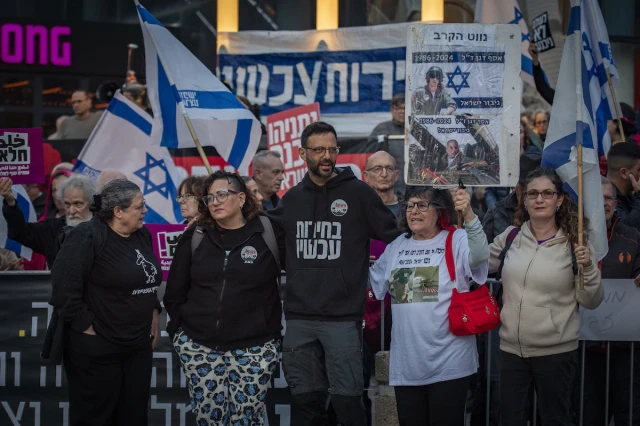
A new poll published this week by researchers at Jerusalem’s Hebrew University shows sharp divisions among Israeli voters over how the recent war against the Iran-led axis has ended.
As Israel’s election season moves into high gear, surveys are increasingly gauging public opinion on key issues, including the war, the cost of living, diplomatic ties, and who is best suited to lead the country.
While there are few doubts among the public that the war was necessary – and a majority of Israeli voters believe the country has emerged in a stronger regional position – there are growing concerns about Israel’s relations with traditional allies, particularly the United States and European powers.
There are also concerns that the most recent direct conflict with Iran, which lasted five weeks and is now in a tenuous ceasefire, even as economic tensions intensify, has left Israel in worse shape than before it began.
One notable finding of the poll is that nearly two-thirds of voters express disappointment with Benjamin Netanyahu's wartime leadership. About 36% of respondents say their support for him has declined as the war’s outcomes have become clearer. A majority of voters also favor a change in leadership, with former prime minister Naftali Bennett and former IDF chief of staff Gadi Eisenkot among the leading alternatives.
The survey also found that more than 40% of respondents oppose the ceasefire between Israel and Hezbollah, which was announced by U.S. President Donald Trump on April 16, in view of the continued threat posed by the Iranian-backed group.
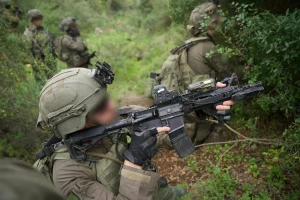
Despite the ceasefire, hostilities along the northern border have not fully subsided. There have been near-daily exchanges of fire, including rocket barrages targeting IDF troops operating south of the Litani River and Israeli communities in the Galilee. Israeli forces have responded with strikes, and both sides have reported casualties and damage.
Amid these developments, nearly 60% of respondents say they support negotiations between Israel and the internationally recognized government of Lebanon, which has issued statements critical of Hezbollah and Iranian involvement in its internal affairs. Even so, most respondents do not expect a formal peace agreement or normalization between the two countries in the near term.
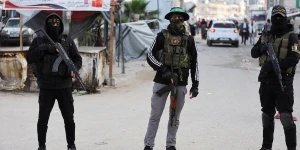
Regarding Hamas, which has refused to disarm since the Gaza ceasefire began in October 2025, 41% of those surveyed say they would support a return to active combat, even at the risk of straining relations with Washington.
Anecdotal accounts from students at Hebrew University of Jerusalem – including some who have served extensively in IDF reserve duty over the past two and a half years – point to growing fatigue with the conflict, particularly the fighting in Gaza. At the same time, some describe a continued determination to see the campaign through in hopes of avoiding future wars.
You might also like to read this: