Israeli Druze agrees with advocates for religious freedom in Syria: 'Nothing good comes from backing a genocidal jihadist regime'
.




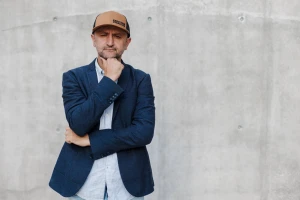
Standing in solidarity with minorities in the Middle East, Druze Israeli Mansour Ashkar is in agreement with the delegation going to speak out on behalf of minorities in Syria at the International Religious Freedom (IRF) Summit in Washington, D.C. this week.
In his video for ALL ISRAEL NEWS on the matter, Ashkar warned, “nothing good comes from backing up such a genocidal jihadist regime,” and has criticized the U.S. decision to withdraw support from the Syrian Kurds who have been allies with the U.S. and Israel until now.
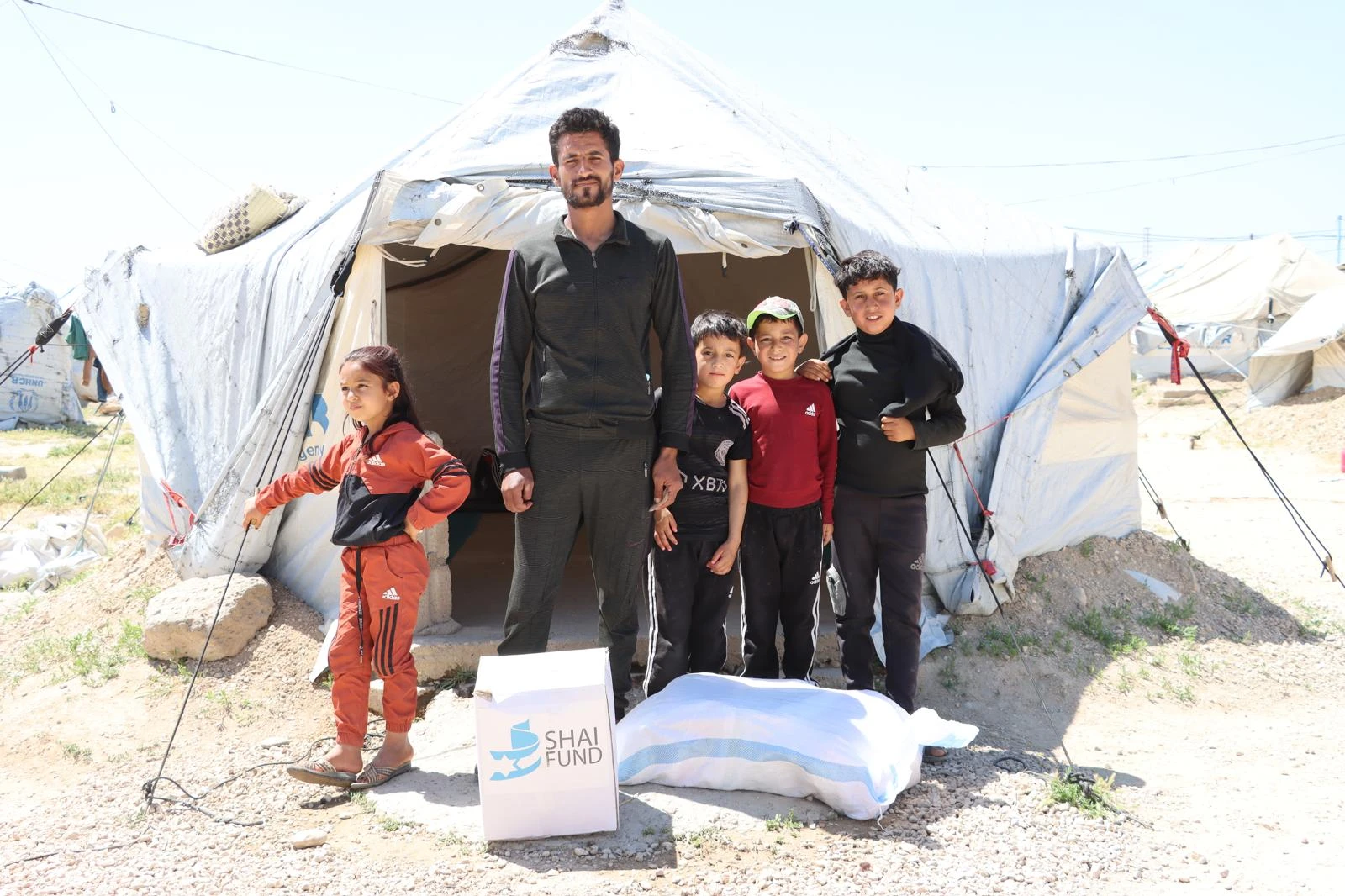
The American International Druze Public Affairs Council, the Alawites Association of the United States, and Shai Fund will jointly host a session at the summit on the subject of Syria and the implications of U.S. policy for minorities in the Middle East at the summit entitled, “Syria at a Crossroads: Plotting a Path Away from Violence Toward a Peaceful, Inclusive Syria."
The two day IRF summit on religious freedom will take place on Monday and Tuesday, Feb. 2-3, and includes other organizations such as Samaritan’s Purse, the Billy Graham Evangelistic Association, Ohr Torah Stone and even Meta with the goal of advancing international religious freedom around the globe.
Shai Fund president and founder, Charmaine Hedding, will give her address at the summit which has almost 2,000 attendees coming from 81 countries, including many key U.S. government officials, on the fate of minorities in Syria, including Christians and Kurdish Muslim-background believers, and also the impact on Israel and regional security.
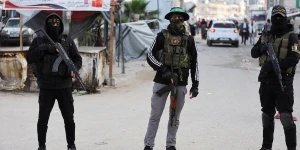
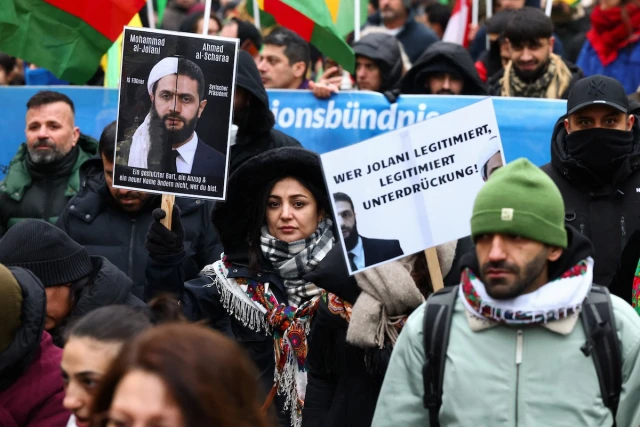
Imploring the U.S. government to reconsider their decision led by Tom Barrak to “pivot” their alliance away from the Kurdish Syrian Democratic Forces (SDF) and towards the Salafi Hay’at Tahrir al-Sham forces (HTS) forces under President Ahmed Al-Sharaa (Abu Mohammad al-Jolani), Hedding hopes they can present an alternative way forward.
Hedding told ALL ISRAEL NEWS, “For Syria to succeed, communities need real control over their own safety and governance – moving toward a more decentralized or federalized system, rather than an authoritarian model that is increasingly taking on a radical Islamist character.”
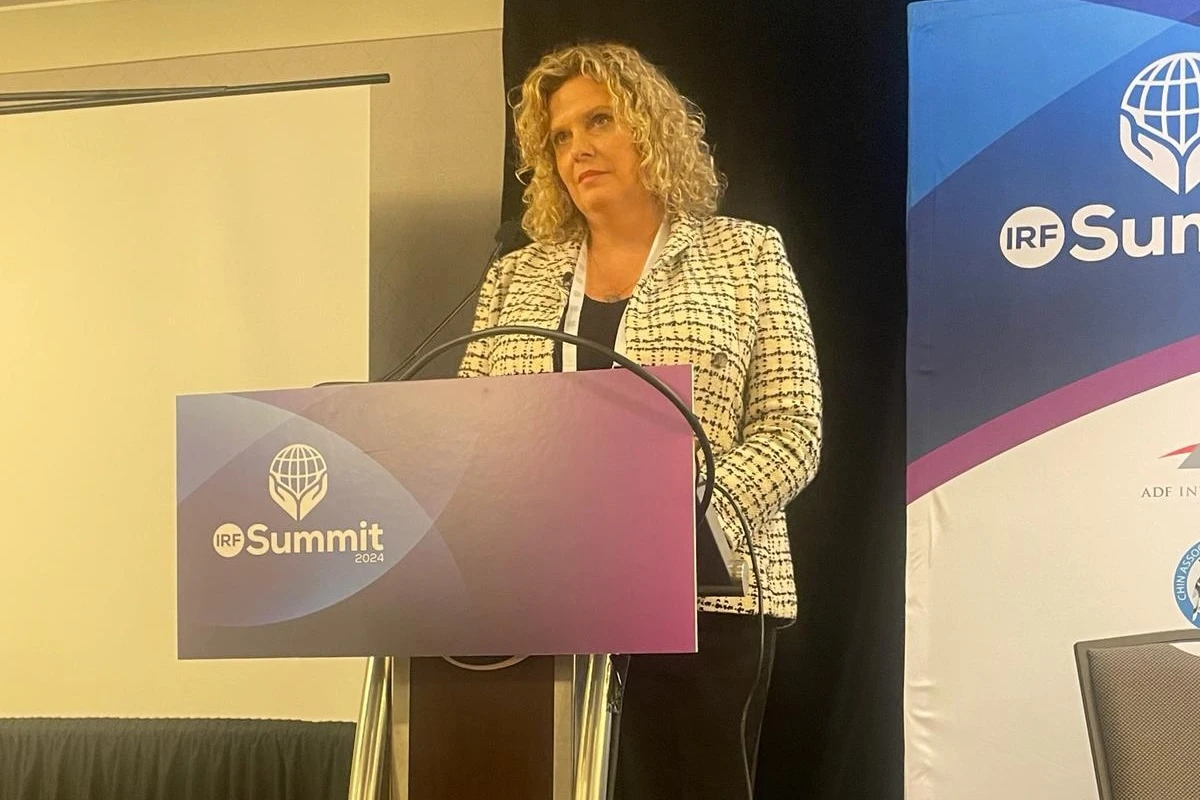
“Obviously the danger of an authoritarian system that has integrated former al-Qaeda and ISIS elements into the Syrian governance and military structures poses a serious risk of regional instability, with direct and unavoidable consequences for not only ethno-religious minorities but for Israel’s security,” she warned.
“Whereas if we have more of the decentralized federal system that allows local governance and includes all equal citizenship for all religious and ethnic, minorities in Syria, it's going to be more of a pluralistic, tolerant and decentralized structure with more chance of success and less chance of radicalization,” she added.
Not only are minorities at risk by choosing to side with the new authoritarian Syrian government but Israel’s security is compromised as the U.S. plans for Gaza are also profoundly affected.
“Everything is because of Syria,” Turkey expert Hay Eytan Cohen Yanarocak, PhD, told ALL ISRAEL NEWS. There have been geographic and economic advantages made available to allies of Turkey, including oil, which in his estimation is likely what accounts for the change in U.S. foreign policy toward the new Syrian government.
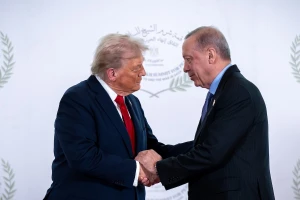
“When Donald Trump hears about money and reconstruction and stability, he wants to strengthen the Syrian government,” Yanarocak said, adding that the fighting with the Kurds in Syria this month didn’t occur in a vacuum.
Hedding’s IRF session on Syria will bring together representatives from Syria’s various religious communities, experts, and leaders giving a ground-level update. There will be a practical discussion on the steps required to move towards a viable, inclusive Syria where religious minorities can be protected by equal citizenship for all.
“The type of governance that we're talking about has been the model that the Kurdish region of northeast Syria had successfully implemented for over 10 years,” she said, mourning its abrupt end at the hands of HTS. “It allowed freedom of religion and belief, where there were beautiful, big churches and communities of Kurdish, Muslim-background believers, who were able to worship freely under this type of governance.”
Since the Syrian authoritarian regime has taken over, minorities are no longer safe, especially Muslim-background believers who are considered apostates. The new Syrian authorities are now starting to ask questions about missions and Kurdish Christian workers.
“We know that these forces, being part of the ideology of ISIS and Al Qaeda, will never accept freedom of religion and belief, and that these Kurdish believers will now have to hide their faith and face grave danger,” said Hedding.
“At this point, decentralization – or a genuinely federal system – would offer Syria its best chance for stability. Northeast Syria, Suwayda, and other areas already maintain their own governance and local security structures, rooted in their communities. If the United States is unwilling to press for that outcome, there are still steps that would be far preferable to the current trajectory.”
Armed with a point-by-point plan to offer to decision makers, Hedding hopes that the summit will result in a safer future for minorities including believers, for Israel, and for the whole Middle East.
You might also like to read this: