








After Syrian gov't seizes Kurdish territories, former spokesman says Kurds are 'disappointed in Israel'
Gov't and Kurdish forces sign agreement to integrate Kurdish areas into the state
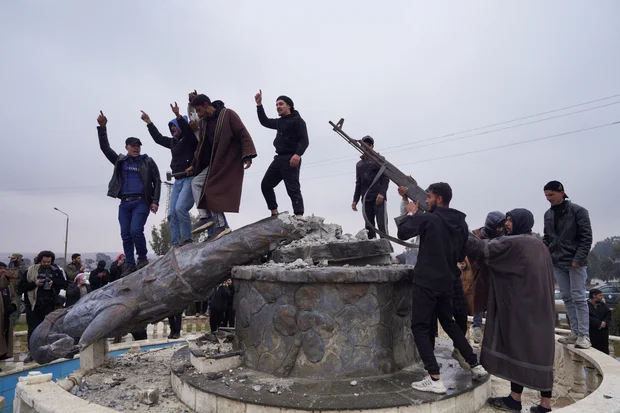
Syrian President Ahmed Al-Sharaa (Abu Mohammad al-Jolani) announced a ceasefire in the fighting with the Kurds on Sunday, after Reuters and Arab news agencies reported that Syrian military forces had seized control of the country’s largest oil field, Al-Omar, as well as the Conoco oil field last Saturday night.
Both sites are located in eastern Syria and had been under Kurdish control, in cooperation with the United States.
In recent days, the Syrian president has capitalized on the lack of action – mainly by the United States – to achieve significant gains in fighting with the Kurds, capturing large swaths of territory and effectively imposing his terms in an agreement unveiled on Sunday.
The deal incorporates the Kurds into the Syrian state and takes away their bargaining chips. It is an agreement that the Kurdish forces had rejected for months, but they now find themselves cornered.
The former spokesperson for Syria’s Kurdish forces told KAN News, “There is profound disappointment with Israel among the population of northeastern Syria. The current attacks and fears of reprisals and ethnic cleansing against Kurds and other groups are among the outcomes of the Paris agreement between Israel and Turkey to divide the Syrian pie. As a result, public opinion broadly holds Israel responsible for what is happening now.”
Syrian reports say Arab tribal forces that pledged allegiance to the Syrian regime early on Sunday morning took control of most of Deir ez-Zor province in eastern Syria, previously held by Kurdish forces. The takeover reportedly occurred with little to no fighting. It is described as the most significant territorial gain by regime forces since Assad’s fall, encompassing Syria’s oil and gas fields.
The energy sites taken over by Syrian army forces have long been disputed. During the war, pro-Iranian militias operating in Syria and Iraq said they had targeted these facilities due to the presence of U.S. forces.
Amid escalating tensions in the country, Mazloum Abdi, the commander of the Kurdish-led Syrian Democratic Forces, arrived in Damascus to meet with Syrian President Ahmad Al-Sharaa and U.S. Envoy Tom Barrack.
Earlier, a senior Syrian official told a television channel aligned with the Syrian regime that Al-Sharaa had invited Abdi to participate in a meeting taking place today between him and the U.S. envoy.
Clashes between the Syrian government and the Kurdish minority in northern Syria have escalated in recent days following regime strikes in the Aleppo area.
Two weeks ago, Foreign Minister Gideon Sa’ar called on the international community to take action against the attacks, just two days after Israeli–Syrian talks resumed under U.S. mediation.
In an interview with Esti Perez on KAN Reshet Bet Radio, a Kurdish journalist residing in Syria said that for himself, his family, and all Kurds living in Afrin, the town where he grew up, “there is no life; the situation is extremely difficult and is only deteriorating.”
He added that the international community had let them down by failing to intervene, saying that foreign states and international organizations had abandoned the Kurds of Afrin three times: in 2018, in 2024, and now again in 2026.
Popular article:
interview Easter message of resurrection hope amid war at Jerusalem's Garden Tomb
biblical commentary Let my people go: a Passover message for today
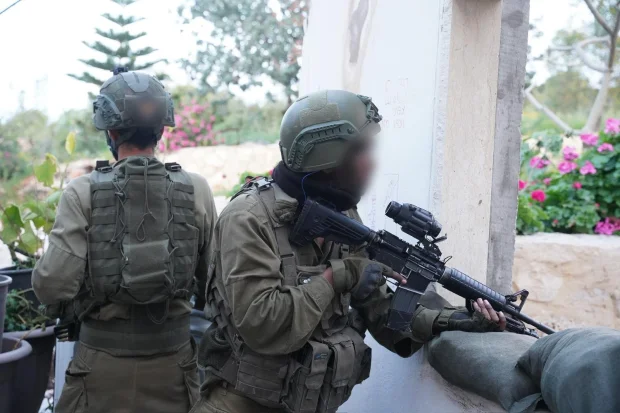
4 IDF soldiers killed, 2 wounded in fighting in southern Lebanon, as Israel eliminates dozens of Hezbollah terrorists

Receive latest news & updates
A message from All Israel News
Help us educate Christians on a daily basis about what is happening in Israel & the Middle East and why it matters.
For as little as $10, you can support ALL ISRAEL NEWS, a non-profit media organization that is supported by readers like you.
Latest articles:
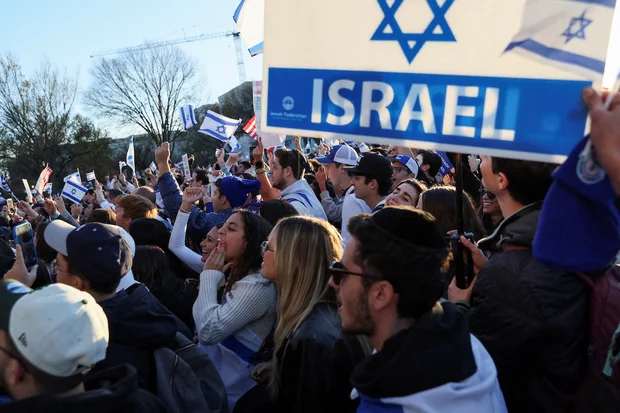
North American Jewish organizations to recruit 100 professionals to combat antisemitism
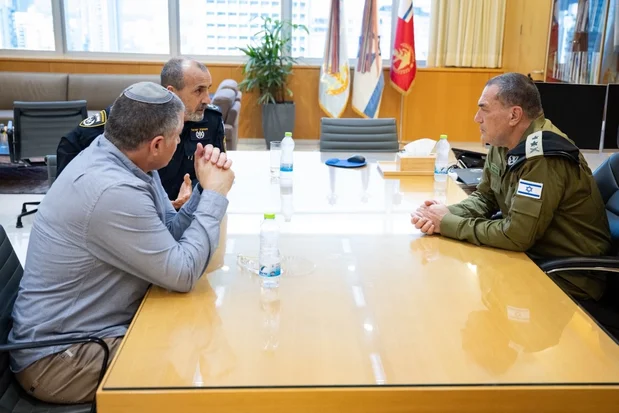
‘No need’ for pre-election Iran strike, IDF chief says as gov’t, opposition trade blame for potential escalation – report
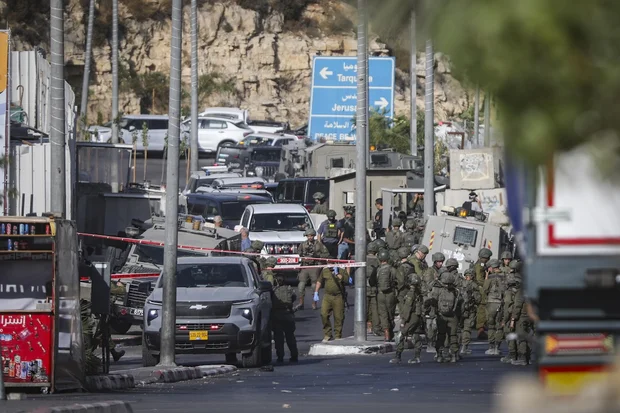
terror attack 2 Israeli soldiers killed, 2 terrorists eliminated in Hebron shooting; IDF says much larger attack was prevented
analysis A people dwelling securely? Israel’s strategic standing, 3 years after Oct 7
Hamas on wheels: What I found in Dearborn reveals a troubling history and a battle over Israel