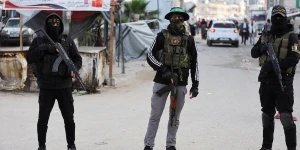
Israel cancels Lag B’Omer Meron pilgrimage, bans bonfires as security risks mount



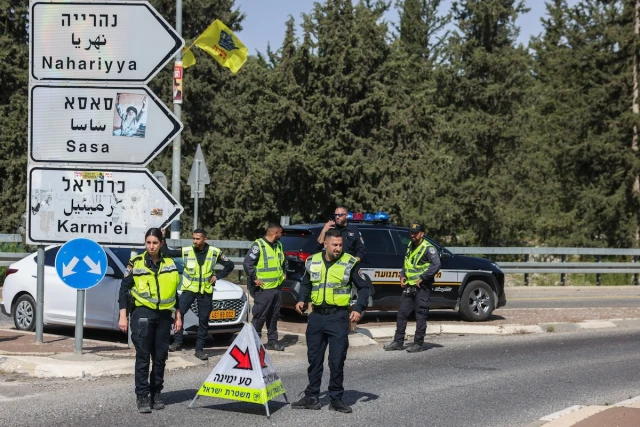
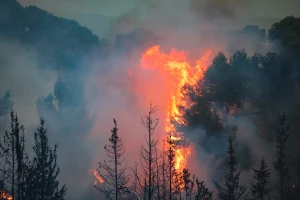
With the annual Lag B’Omer holiday approaching, Israeli authorities have instituted a nationwide ban on bonfires outside designated areas and imposed broad restrictions on public gatherings, citing wildfire risks and escalating security concerns.
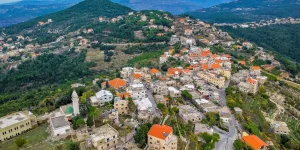
Police also announced on Sunday that roads leading to Mount Meron – home to the tomb of Rabbi Shimon Bar Yochai – would be closed to most vehicular traffic for several days, effectively canceling a planned Lag B’Omer pilgrimage by Orthodox Jewish groups who revere Bar Yochai, the traditionally acknowledged author of the Zohar, a foundational text of Kabbalistic mysticism.
The move is part of a broader set of restrictions that limit outdoor events to fewer than 200 people at any one time, while indoor events are limited to 600 or fewer.
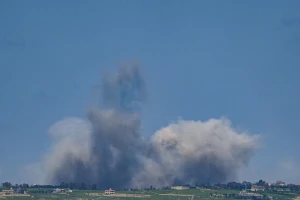
These measures are necessary, according to authorities, due to the possibility that war with Hamas in the Gaza Strip – and potentially also Iran – could resume at full intensity at any moment, while the conflict with the Hezbollah terror group in Lebanon is already accelerating and could quickly escalate further.
A police statement specifically highlighted the risks, saying, "Amid the security threats in northern Israel, avoiding blocked routes is the right way to preserve Jewish tradition joyfully and safely."
Until just a few days ago, Police Commissioner Daniel Levi had been working on a plan to allow up to 10,000 pilgrims to attend the event, dividing the area around the tomb into tightly controlled zones and coordinating closely with rabbinic groups organizing the pilgrimage. However, those plans were revised several times, including proposals for rotating visits to the tomb alongside access to the Bnei Akiva compound, Moshav Meron, and Compound 89.
The number of permitted pilgrims also fluctuated under different proposals, and ultimately, authorities announced the entire event had been canceled.
The decision appeared to catch some officials off guard, including Communications Minister Shlomo Karhi, who had previously declared that “Meron will be open to the people of Israel, subject to security restrictions.”
The Jerusalem Affairs and Jewish Tradition Ministry had also been deeply involved in planning and had explored multiple options to hold the event safely. However, the pilgrimage to Mount Meron on Lag B’Omer has grown significantly in recent decades, while the site’s infrastructure has not kept pace with the increasing number of attendees – leading to tragedy in the past.
In 2021, a stampede along one of the routes leading away from the tomb of Bar Yochai resulted in 45 fatalities and dozens of serious injuries. At other times, injuries and damage have occurred when bonfires spiraled out of control amid the often chaotic celebrations.
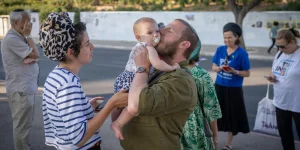
Lag B’Omer is one of Israel’s most widely observed traditional holidays, marked in different ways across communities. While many Orthodox groups emphasize their mystical and Kabbalistic significance, many Israeli children celebrate more simply, gathering around bonfires to roast food, often with little connection to the holiday’s religious traditions.
In both 2025 and 2026, authorities have sought to limit such bonfires due to below-average precipitation in recent years, which has increased the risk of wildfires.
You might also like to read this: