'IN THE WAR ROOM' – The risks PM Netanyahu was willing to take
Part Two of interview series on THE ROSENBERG REPORT: The inside story of the leaders, rivalries and decisions that shaped Israel’s longest war
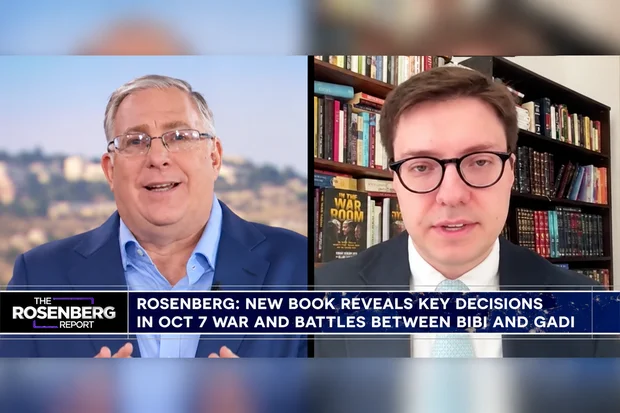
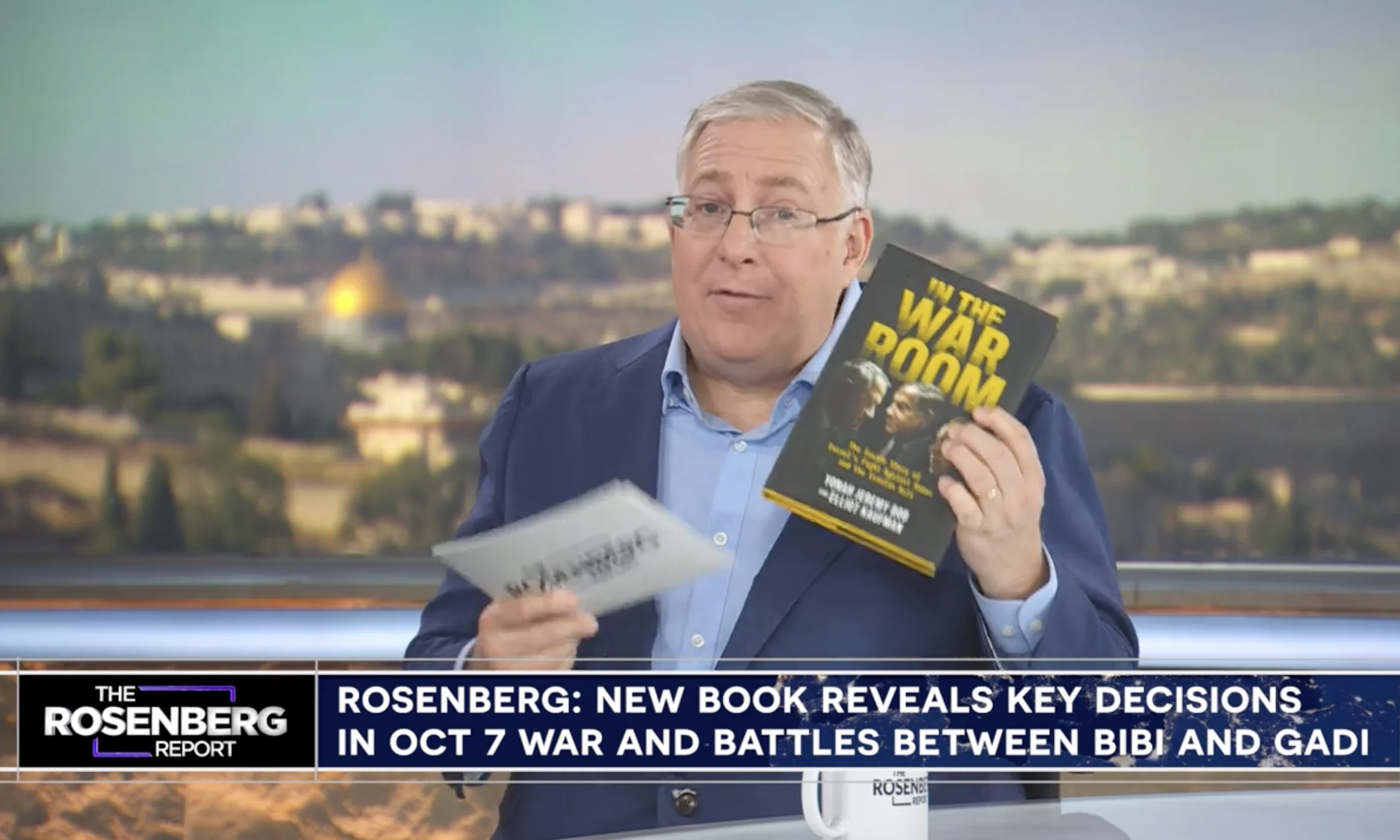
In this three-part series on THE ROSENBERG REPORT, host and ALL ISRAEL NEWS Editor-in-Chief Joel Rosenberg speaks with the authors of the Amazon #1 bestseller, "In the War Room: The Inside Story of Israel's Fight Against Hamas and the Iranian Axis."
In Part One, Rosenberg and co-author Yonah Jeremy Bob examined the deep divisions inside Israel’s wartime leadership, focusing on the personalities, rivalries and disagreements that shaped Israel’s response to Oct. 7.
In Part Two, Rosenberg speaks with co-author Elliot Kaufman, a Wall Street Journal Editorial Board member, about two pivotal moments in the war: why Defense Minister Yoav Gallant urged Prime Minister Benjamin Netanyahu to launch a massive preemptive strike against Hezbollah just four days after Hamas invaded Israel, and why Netanyahu said no.
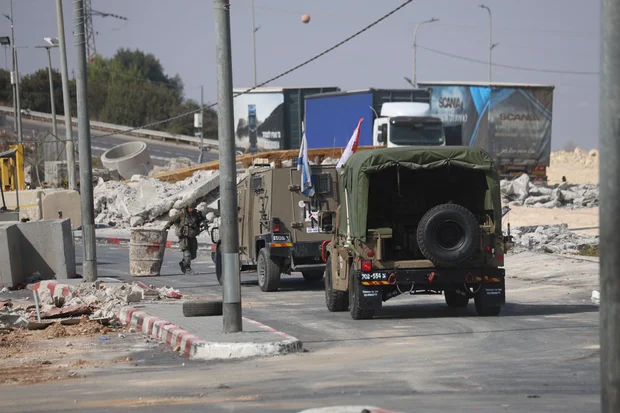
At first glance, the logic seemed straightforward: Hamas had attacked Israel from Gaza, so Israel should focus its response there rather than open another front against Hezbollah in Lebanon. But Gallant saw a far more immediate threat in the north.
“Hezbollah is looming on Israel’s northern border, 150,000 missiles,” Kaufman told Rosenberg. “And he believes Hezbollah is just biding its time, waiting to join in with an even larger attack than Hamas could have ever dreamed of.”
Gallant feared that once Israel moved the bulk of its forces south toward Gaza, Hezbollah could seize the opportunity to launch a massive attack from the north. Israel had already been caught off guard once. Gallant did not want Hezbollah choosing the moment for an even larger assault.
Netanyahu saw the risks differently. Israel had just suffered the worst security failure in its history, with its military and intelligence services failing to anticipate the Hamas attack. “They just missed October 7th just four days earlier. So how much confidence can he really have in them?” Kaufman said.
The prime minister also had to consider the possibility that a major attack on Hezbollah could trigger a much broader regional war, potentially bringing Iran’s ballistic missiles into the conflict. And there was Washington: President Joe Biden had arrived in Israel shortly after Oct. 7 and was strongly supporting the country. Netanyahu had to weigh the consequences of launching a major war against Hezbollah without American backing.
Rosenberg asked Kaufman whether Netanyahu had been too cautious in the opening days of the war. Kaufman’s assessment was more nuanced. “I believe he was right not to strike Hezbollah in a major way in the very first days of the war. However, I believe he was too cautious in how he approached Gaza.”
Netanyahu’s approach was to fight “one intensive front at a time.” Yet Israel waited 20 days after Oct. 7 before launching its ground invasion of Gaza.
Kaufman believes Netanyahu’s caution reflected his own view of military force. Although Netanyahu has long presented himself as a hawk on national security, he also understood the costs of war personally, having lost his brother, Yoni Netanyahu, in combat.
“Netanyahu also views himself as a conservative – conservative with regard to the use of force,” Kaufman said. But as the war continued, Netanyahu’s willingness to take risks changed dramatically.
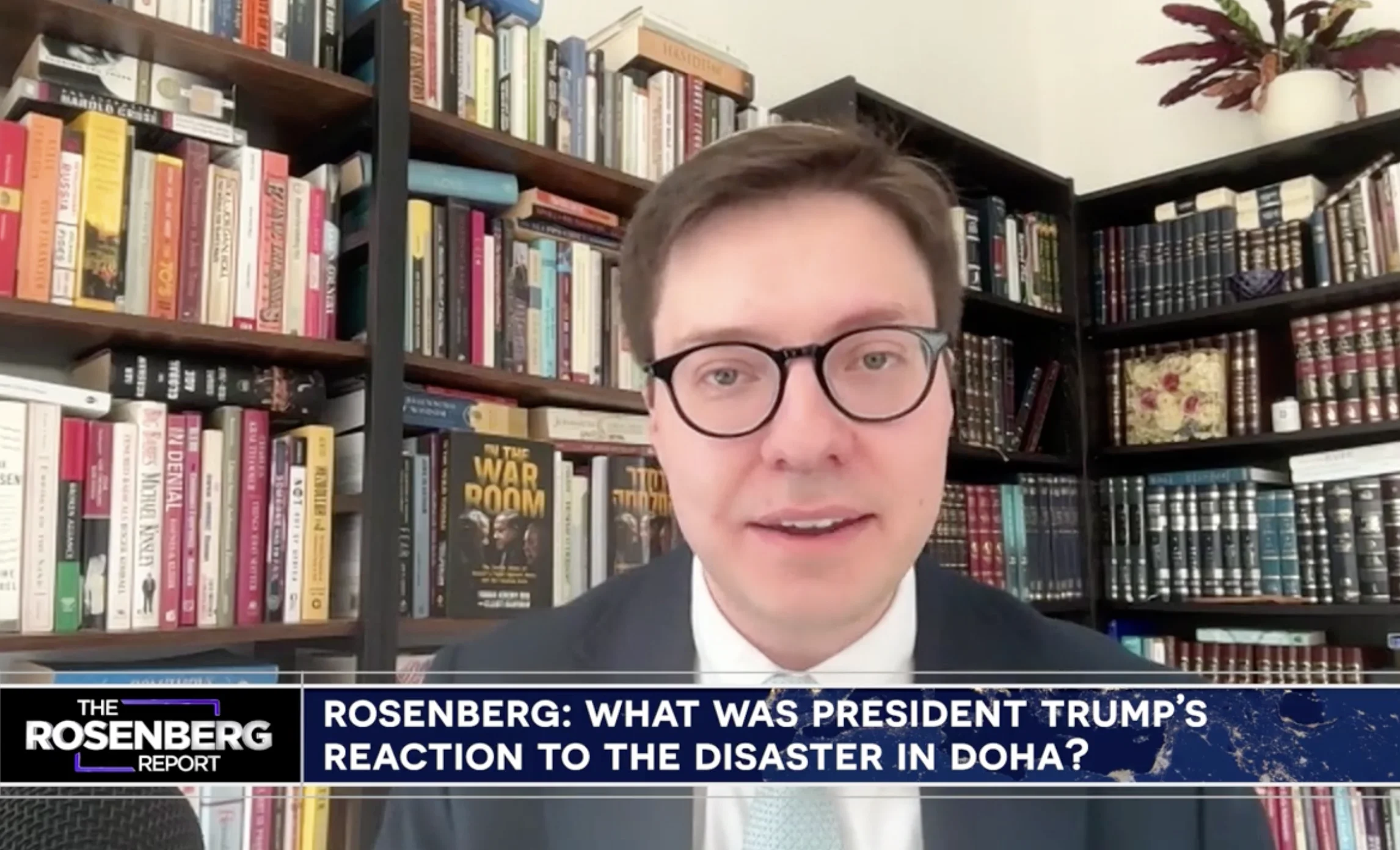
Rosenberg and Kaufman also discussed the “disaster in Doha,” when Netanyahu ordered the IDF to target senior Hamas leaders in Qatar’s capital. The operation missed its intended targets, including senior Hamas political leader and chief negotiator Khalil al-Hayya, outraging Qatar and shocking President Donald Trump and his administration at a critical moment in the war.
Why was Netanyahu willing to take such a gutsy gamble? According to Kaufman, it was all about the hostages.
Netanyahu wanted all the hostages released. As the war continued, pressure over their fate intensified, while Hamas continued to hold Israeli captives. Negotiators were discussing limited agreements involving the release of some hostages in exchange for Palestinian prisoners and pauses in the fighting.
When those negotiations stalled, Netanyahu decided to target Hamas’ senior political leadership in Doha. He calculated that Hamas’ political leaders were not separate from the terrorist organization operating in Gaza and that eliminating them could put additional pressure on the group.
“Prime Minister Netanyahu does this very, very bold strike, knowing the United States won't be happy about this,” Kaufman said. “Why? Because they think it could break up hostage talks rather than pressure Hamas into giving up more.”
Kaufman said he spoke with officials in the Prime Minister’s Office on the day the Doha operation failed. They were frustrated not only that the target had been missed, but also by the reaction from Washington.
One senior U.S. official told him: “If you're going to do it, at least get the guy; you can't do something like this and miss. You simply can't do it.”
Trump’s Middle East envoy, Steve Witkoff, immediately contacted Qatar while Israeli aircraft were still in the air, giving them warning. Whether that intervention contributed to the operation’s failure remains unclear.
But then something unexpected happened: the failed strike appeared to take on a different significance. Trump later offered a very different assessment of the operation, saying, “We might not be here talking about peace if not for that strike.”
Kaufman said he agreed because, in his opinion, the operation showed Hamas and Qatar that Netanyahu was willing to take extraordinary measures to break the deadlocked hostage talks. The strike failed in its immediate objective, but Kaufman believes it may have changed the calculations surrounding the negotiations.
The contrast between Netanyahu's decision-making at the opening of the war and its later stages is revealing, he added.
In October 2023, Netanyahu rejected a major Hezbollah strike because he believed Israel was too vulnerable to risk opening another front. Later, he authorized operations with potentially far greater consequences – including the strike in Doha and, ultimately, direct military action against Iran.
“Prime Minister Netanyahu, who had started off more cautious about Israel’s response, careful about not opening other fronts, about not walking into a bloodbath for Israeli troops in Gaza, steadily over the course of the war, makes the boldest decisions, the riskiest decisions, and ultimately, I would argue, the decisions that brought Israel the greatest successes in the war against Hezbollah in September,” Kaufman said.
He argued that those decisions ultimately produced some of Israel’s greatest successes against Hezbollah, Hamas and Iran.
When discussing the hostage crisis, Kaufman said he never believed all 251 hostages would ultimately come home.
“Never. I could not believe it when it actually happened,” he said. Even after an agreement was reached, Kaufman said he thought Hamas might renege and retain some of the captives. But by then, the circumstances had changed.
Israel was applying intense military pressure in Gaza, including the threat to conquer Gaza City. There was also a major shift in Washington.
“The Trump administration was in power. There was no other horizon that they could see where the Biden administration would bail them out, would force Israel to stop,” Kaufman said. “Trump wasn't going to do that. Israel knew that. Hamas knew that.”
Kaufman concluded that Hamas eventually understood that if it wanted an end to the fighting and any possibility of emerging from the war, it had to release every remaining hostage. The fact that Hamas had killed more than 40 hostages in Gaza made the eventual return of the remaining captives all the more remarkable, he said.
At the beginning of the Oct. 7 war, Netanyahu feared that one wrong move could open a catastrophic second front. In later stages, the prime minister was willing to take risks that could have triggered an even wider regional confrontation. And that trajectory leads directly to the final chapter of this series.
In the final installment of the interview series based on In the War Room, co-author Yonah Jeremy Bob returns to discuss Netanyahu’s biggest gamble of all: How Israel went from fighting Hamas and Hezbollah to launching a historic assault on Iran’s nuclear and missile programs – and ultimately deciding to take aim at the Islamic Republic of Iran itself.
THE ROSENBERG REPORT airs Thursday nights at 9 p.m. EST and Saturday nights at 9:30 p.m. EST – on the Trinity Broadcasting Network (TBN), the most-watched Christian television network in the United States.
Popular article:

interview Easter message of resurrection hope amid war at Jerusalem's Garden Tomb

biblical commentary Let my people go: a Passover message for today

4 IDF soldiers killed, 2 wounded in fighting in southern Lebanon, as Israel eliminates dozens of Hezbollah terrorists

Receive latest news & updates
A message from All Israel News
Help us educate Christians on a daily basis about what is happening in Israel & the Middle East and why it matters.
For as little as $10, you can support ALL ISRAEL NEWS, a non-profit media organization that is supported by readers like you.
Latest articles:
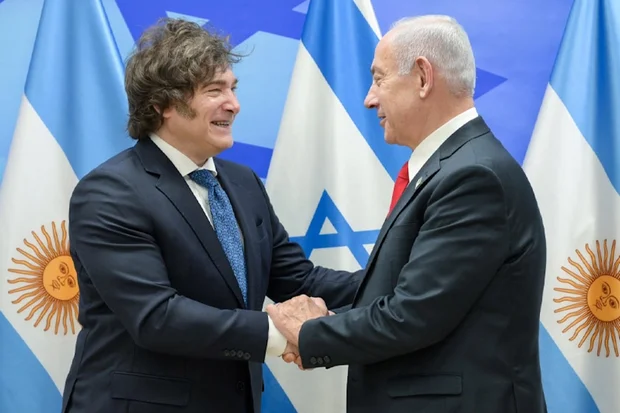
Israel denies report that Netanyahu ordered shift in Falkland Islands stance
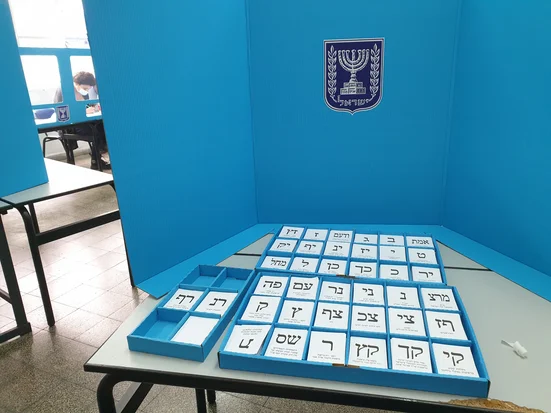
explainer Israel’s Election System 101: All you need to know from voting to coalition governments
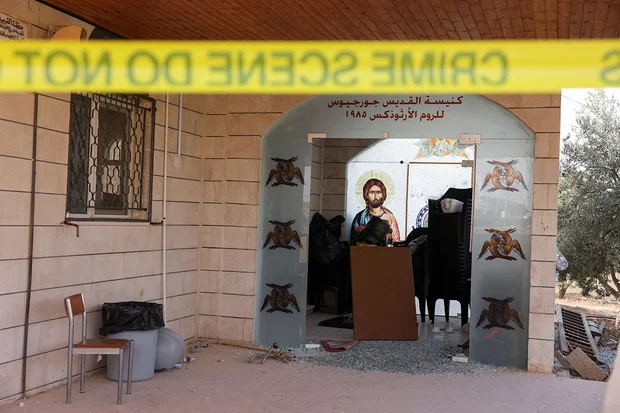
Pray urgently for Jordan’s Christians – King Abdullah II vows justice for 9 dead, 40 wounded in terror attack on church
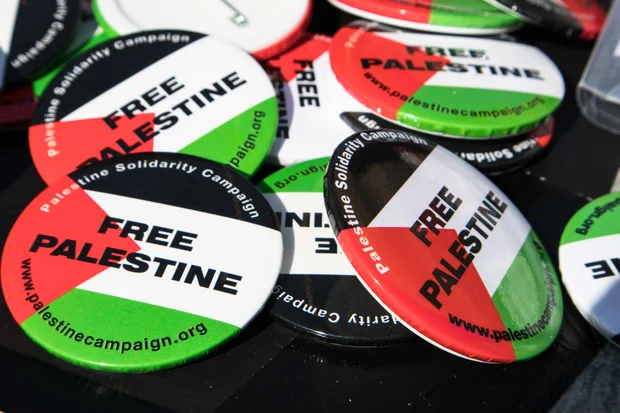
UK considers banning pro-Palestine badges in schools due to antisemitism concerns
Iran allegedly steps up assassination plots against US officials amid regional tensions