From Israel's 'guardian' to backing Abdul El-Sayed: Has Chuck Schumer changed – or has his party changed him?
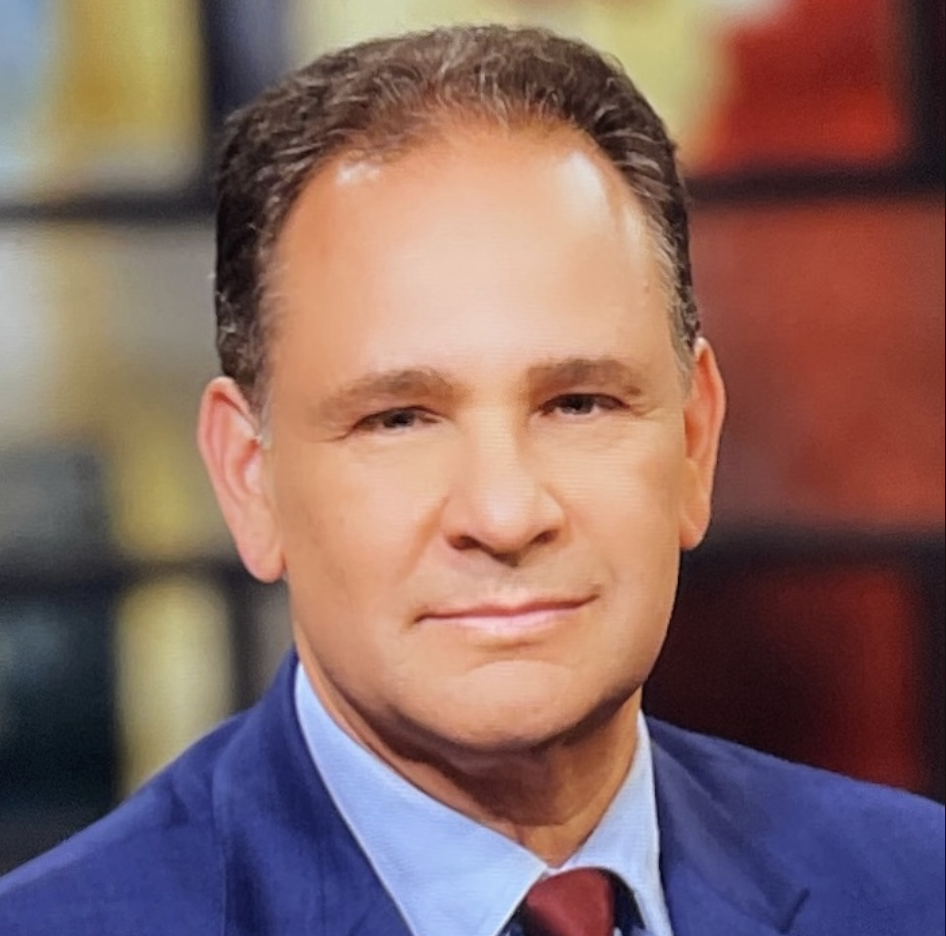


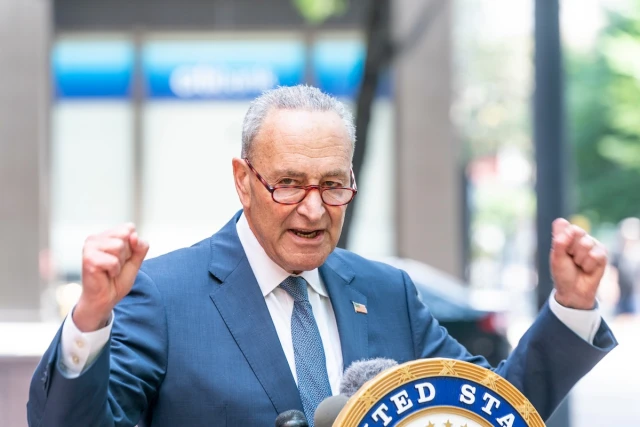
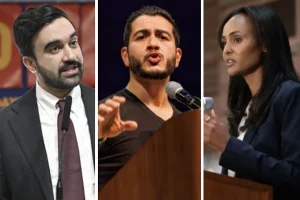
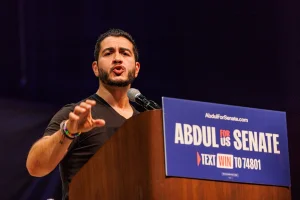
Chuck Schumer is now backing Abdul El-Sayed for the United States Senate. Let that sink in for a moment.
The highest-ranking Jewish elected official in America, a man who has spent decades describing himself as a guardian of Israel, is now promising to help elect a candidate who has called for cutting off American military assistance to the Jewish state, not to mention his many other remarks that have been considered antisemitic by pro-Israel supporters.
Schumer quickly rallied behind El-Sayed after his (El-Sayed's) narrow victory over Congresswoman Haley Stevens in Michigan’s Democratic Senate primary.
“Democrats are united by a common purpose: putting a check on Donald Trump by defeating his Republican enablers and taking back the Senate,” Schumer said in a statement.
That’s such a political statement. Schumer understands that now that El-Sayed is the Democratic nominee in Michigan in one of the most important Senate races in the country, he desperately wants the Democrats to return to power in the Senate and he wants to become the majority leader again.
This is a political decision, not one driven principally by Schumer’s long-standing support for Israel. Schumer did not suddenly adopt El-Sayed’s views on Israel. He is backing him because party control of the Senate is on the line.
In other words, political power is taking precedence over principle. In Washington, that is nothing new, but the result in this case means Schumer is supporting someone who is fundamentally against everything that Chuck Schumer has stood for his entire political career.
That is no small matter.
The issue of Israel was one of the defining divisions in the Michigan primary. Stevens supported maintaining America’s alliance with Israel. El-Sayed called for ending military support because of Israel’s actions in Gaza and the West Bank. Schumer had also supported Stevens before the primary.
This moment is especially striking because of Schumer’s history. For years, Schumer has emphasized that his last name comes from the Hebrew word “shomer,” meaning guardian. He has repeatedly described himself as a “Shomer Yisrael” – a guardian of Israel – and argued that his Jewish identity gives him a special responsibility to defend the Jewish state.
As recently as February 2026, Schumer told a gathering of Jewish leaders in New York that securing assistance for Israel was one of his most important responsibilities as Democratic leader. “I have many jobs as leader,” Schumer said, “and one is to fight for aid to Israel, all the aid that Israel needs.”
Following the Oct. 7 Hamas terrorist attack, Schumer promised that the United States would stand with Israel as “an unrelenting partner.” He also said he would make certain the Senate provided Israel with “the support she needs to defend her people.”
But Schumer’s relationship with Israel – and particularly with Israeli Prime Minister Benjamin Netanyahu – has gone south since. In his controversial March 2024 Senate speech, Schumer accused Netanyahu of having “lost his way” and described the Israeli leader as one of several obstacles to peace.
He also called for new elections in Israel, a move Netanyahu and Republicans denounced as inappropriate interference in the democratic affairs of an American ally.
Schumer continued supporting military aid to Israel, but his speech marked a significant change in tone. It also reflected the changing political realities inside the Democratic Party.
Israel has become increasingly divisive among Democratic voters, particularly among younger progressives. Candidates such as El-Sayed no longer view unconditional military support for Israel as a core Democratic position.
In some Democratic primaries, opposition to Israel’s conduct has become an electoral advantage rather than a liability. El-Sayed’s victory is the latest evidence of that shift.
So Schumer faces an uncomfortable choice. He can hold true to his inner convictions on Israel and refuse to support a Democratic nominee who has proudly stood against Israel and won’t even recognize the right for Israel to exist. Or he can swallow his objections, emphasize party unity and help elect candidates who may vote against future aid packages he considers essential. He has chosen the latter.
Those scenarios raise a legitimate question: how far is Schumer willing to compromise on Israel in order to regain power?
President Trump has already seized on Schumer’s changing posture toward Israel in a much more personal way. “Schumer is a Palestinian as far as I’m concerned,” Trump said in March 2025. “He’s become a Palestinian. He used to be Jewish. He’s not Jewish anymore. He’s a Palestinian.”
Underneath Trump’s provocative rhetoric was a broader political accusation: that Schumer had become increasingly willing to distance himself from Israel to accommodate the Democratic Party’s progressive base.
Schumer’s support for El-Sayed will only give Trump and Republicans more ammunition to make that case. The Republican argument practically writes itself: The self-proclaimed guardian of Israel is now working to elect a senator who wants to cut off Israel’s weapons and is an enemy of the Jewish People.
You might also like to read this: