In solidarity with Israel

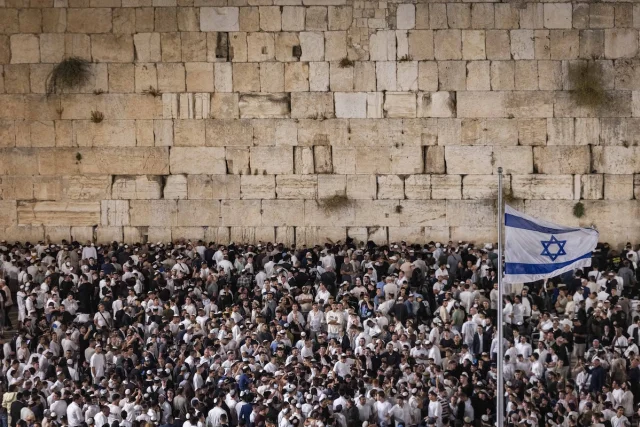
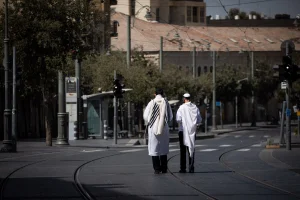
Sunday night began Yom Kippur, the holiest day in Israel—a day of fasting, repentance, and returning to God, where we ask for His grace. For, as Jonah and the prophets proclaim, God extends grace. On the previous night, 150,000 Jews gathered at the Kotel for Selichot, these communal prayers seeking God's forgiveness. God calls His people, and all who believe in His Word, to seek His face and live in fellowship with Him.
In Christian translations, Yom HaKippurim is usually rendered as the "Day of Atonement." In everyday English, the concept of "expiation" can give the impression that man must pay for his fault or appease an angry God. Yet the biblical meaning is quite different: it is God Himself who grants forgiveness and makes reconciliation possible. In the sixteenth century, the English reformer William Tyndale coined the word "atonement"—the state of being brought back into unity with God. Yom Kippur thus speaks to us of sin covered, forgiveness granted, and communion restored. In His grace, God comes to meet His people above the Kaporet, the mercy seat, this "throne of Grace."
It is up to the nations to bless Israel and to rejoice with them: "Rejoice, O nations, with his people, for he avenges the blood of his servants; he takes vengeance on his adversaries and makes atonement for his land and his people." It is God who does the work; it is He who acts. This is why we can rejoice with Israel. Its enemies are many, but the Word affirms that God defends His people and His land, and that He is not blind to the blood shed by those who serve Him.
Since October 7, 2023, far too many young men and women in uniform have fallen. We read their names, we see the grief of wives, parents, and children... a grief that ripples through the entire country. Anyone who knows the history of the Jewish people knows how much of their blood has been shed through wars, massacres, pogroms, and terror attacks. Israel has not been spared. Yet, God guards His people as "the apple of His eye" (Deut. 32:10; Zech. 2:8). As believers, how can we not bless Israel and rejoice with them, knowing that God is watching over His people? How can we not weep when we see so many young people giving their lives to defend their land and their people?
Let us be like Ruth the Moabite, who chose to cling to Naomi, her people, and the God of Israel. Let us also be like Ittai the Gittite, who remained loyal to King David in times of trial. As David fled from Absalom and urged him to turn back with his brothers, Ittai replied: "As surely as the Lord lives, and as my lord the king lives, wherever my lord the king may be, whether it means death or life, there will your servant be" (2 Samuel 15:21).
It is also up to us, believers from the nations, to acknowledge our faults and do teshuva for all the times we have despised, hurt, or abandoned the one who remains the apple of God's eye. God of Abraham, Isaac, and Jacob, forgive us and grant us grace. On this deeply solemn day, let us choose, like Ruth and Ittai, to stand faithfully alongside Israel.
You might also like to read this: