









Boots on the ground, hope in the Kingdom of God
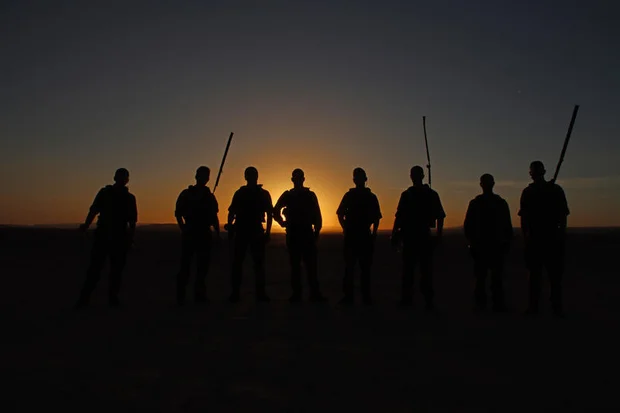
I don’t know about you, but following the events here in the Middle East can be confusing. What looked like an advantage for Israel and the West took a turn into a dead end and is now back on track – maybe.
Through a biblical lens, the trajectory of current events still points toward a regional war. For a time, the U.S. and Israel's military campaign against Iran appeared to suggest a different outcome.
However, unless that campaign ultimately results in the complete collapse of the Iranian regime, Iran – identified by many prophecy scholars with ancient Persia – would likely remain a central player in the Gog and Magog war described in Ezekiel 38.
In that scenario, God raises Israel from the dead – the valley of dry bones – and prepares her for war to face the allied armies of Gog and Magog:
"So I prophesied as He commanded me, and breath came into them, and they lived, and stood upon their feet, an exceedingly great army," Ezekiel 3:10 (חַ֖יִל is the Hebrew word used for army, host, wealth, virtue, valor, and strength).
Israel has returned to the land and since 1948 our military has repeatedly defended the nation against threats to its existence. Yet we should consider the present situation alongside that of the Exodus, not only as a historical parallel but also as a reflection on the spiritual lessons from Israel's journey.
After leading Israel out of slavery in Egypt, Moses guided the nation through the wilderness for forty years until the time came to enter the land promised to their forefathers.
During the final year before crossing the Jordan, Israel experienced severe judgment because many of the men violated the covenant by taking Moabite women as partners and participating in the worship of foreign gods (Numbers 25:1–9).
In doing so, they disregarded the command of Deuteronomy 7:3–4, which warned Israel against relationships that would lead them into idolatry. The resulting judgment claimed the lives of twenty-four thousand Israelites.
It is difficult to imagine the grief, fear, and trauma experienced by those who witnessed these executions. Yet these same people would soon cross the Jordan under Joshua's leadership to wage war against the Canaanite nations, carrying out the same judgments that Scripture presents within the context of Israel's covenant and God's purposes for the land (Deuteronomy 7:2; Joshua 6:21; 8:25).
As difficult as these accounts are to understand, the biblical narrative presents them as part of God's response to the destructive power of sin and idolatry. From the deception of Adam in Eden onward, sin is portrayed as a corrupting force that spreads through humanity unless it is confronted and removed.
A helpful biological analogy is that of cancer. Cancerous cells no longer respond to the regulatory signals that govern healthy tissue. Left unchecked, they multiply until they threaten the life of the entire body. The immune system is designed to identify and destroy these rogue cells to preserve the life of the body. Killer T cells search for and kill cancer cells, piercing their outer membrane to destroy them from within.
The account of Phinehas in Numbers 25 reflects the same pattern.
When he intervened by killing the Israelite man and the Midianite woman who were openly defying God's covenant, the plague afflicting Israel ceased. The word for plague, magephah, can mean pestilence, slaughter, or defeat.
God commended Phinehas’ action because it satisfied His wrath, stopping the spread of covenant rebellion and bringing the judgment to an end (Numbers 25:7–13).
Within the biblical narrative, this event symbolizes the necessity of confronting sin decisively before it destroys the covenant community.
Even so, the degree of human suffering experienced by those who witnessed these events undoubtedly left deep emotional wounds. The realities of war left lasting scars on both victors and victims. The psychological effects of violence are an often unspoken yet recurring byproduct of tragedy throughout Scripture.
This perspective is also relevant when considering the conflict we are experiencing today.
One of the principal criticisms of Israel’s ongoing campaign against Hamas in Gaza is directed at the deaths of civilians, including women and children. Every civilian life lost represents a profound human tragedy. The suffering endured by families, the trauma experienced by children, and the long-term psychological effects of war are realities that should never be minimized.
While the biblical accounts of Israel's conquest belong to its unique covenant relationship with God, we should recognize that war always leaves deep wounds and comes at great cost to societal well-being.
The challenge for people of faith is to wrestle honestly with both the justice of God and the value of every human life, recognizing that His ultimate purpose is not destruction but redemption and the restoration of creation.
So, in considering the present war with Islamic fundamentalist governments and organizations, we must also consider that God is accomplishing the restoration of creation.
The root cause of Israel’s wars is Islam’s refusal to recognize the legitimacy of a Jewish state in the historic land of Israel. Their opposition is founded in religious convictions, rejecting the biblical covenant with Israel and affirming instead the Quran’s claim that it is “a confirmation of previous Scriptures and a supreme authority on them,” citing Muhammad as the final messenger of God, Allah.
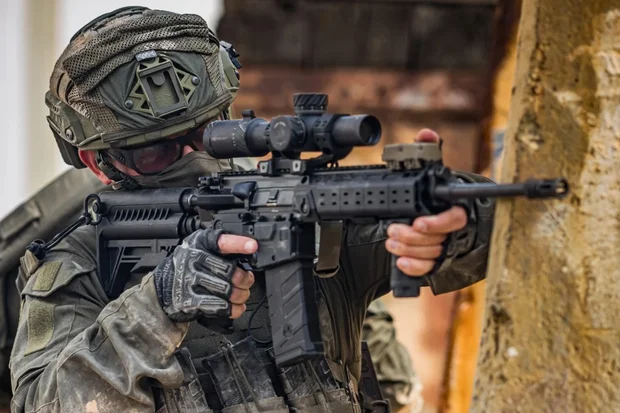
We find ourselves forced to confront the reality of boots on the ground fighting against the people of the land and their false gods, just as in Joshua's day. The spiritual battle has expanded from Canaan to include the nations of the Ezekiel 38 alliance.
We do not know exactly how the Israelites under Joshua reacted to the war and slaughter they experienced, but we do know something about the emotional toll war is taking on Israelis today.
The scale of that suffering is reflected in a recent Israel Ministry of Defense report in the Times of Israel:
"Approximately 26,200 wounded IDF and security personnel are currently receiving treatment. About 65% are being treated for psychological injuries, including PTSD, anxiety, depression, and adjustment disorders… Nearly half, 48%, are under the age of 30."
The report also warned that Israel's rehabilitation system could collapse under the growing burden if reforms are not implemented.
As we draw nearer to the end of the age and the establishment of the Kingdom of God, many events will remain somewhat unclear and suffering will continue. Scripture gives us the broad outline of God's redemptive plan, yet the unfolding of that plan will continue to test our faith, our perseverance, and our discernment.
Although we know that the day is coming when "nation shall not lift up sword against nation, neither shall they learn war anymore," that promise awaits the return of the Messiah and the consummation of His Kingdom.
Our hope does not rest on the resolution of earthly conflicts but in the certainty that God is restoring His creation and will ultimately establish His righteous Kingdom, where peace, justice, and life will endure forever.
Popular article:

interview Easter message of resurrection hope amid war at Jerusalem's Garden Tomb

biblical commentary Let my people go: a Passover message for today
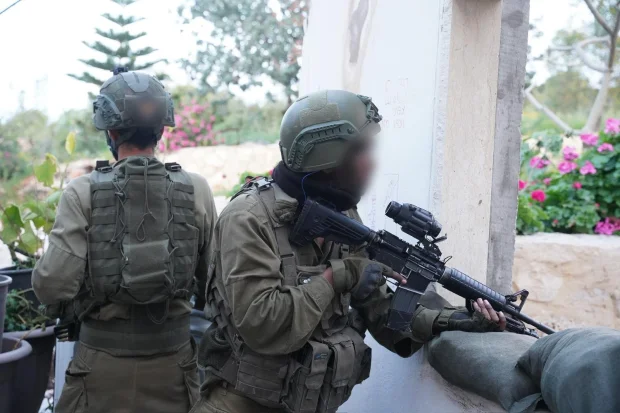
4 IDF soldiers killed, 2 wounded in fighting in southern Lebanon, as Israel eliminates dozens of Hezbollah terrorists

Receive latest news & updates
A message from All Israel News
Help us educate Christians on a daily basis about what is happening in Israel & the Middle East and why it matters.
For as little as $10, you can support ALL ISRAEL NEWS, a non-profit media organization that is supported by readers like you.
Latest articles:
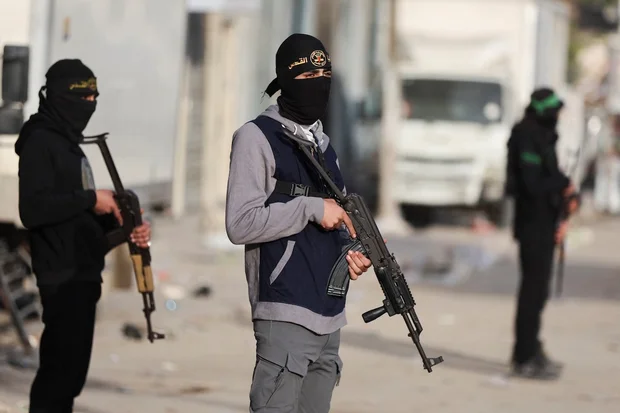
Hamas openly threatens Israel with ‘more Oct 7 attacks’ as intelligence shows terror group is rearming
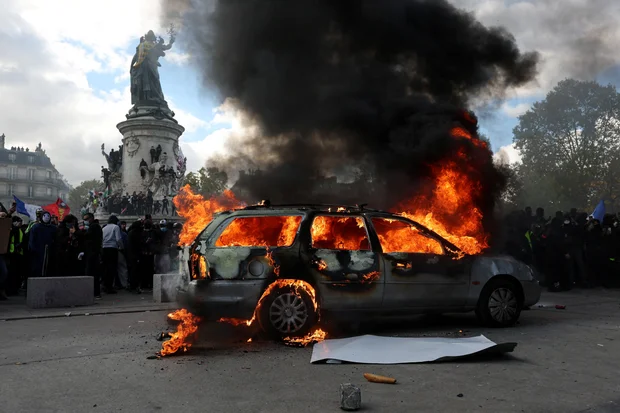
More than 1,300 antisemitic posts blame Israel, Jews for French riots – report
Thailand turns to Israeli anti-drone technology to counter growing battlefield threat
Israeli fighter jets flew to Iranian border in ‘power projection,’ deterrence exercise ahead of elections next week

Israel targets nuclear fusion leadership as AI drives soaring energy demand