6000+ historians, legal experts sign open letter rejecting Gaza genocide charge against Israel


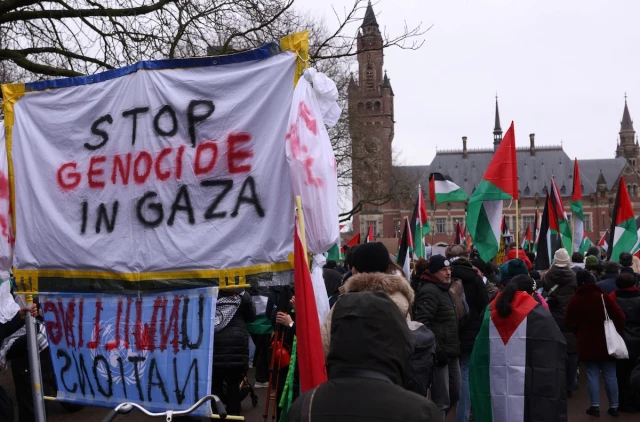
More than 6,000 signatories, including prominent historians, academics and legal experts, have signed an open letter titled “We must unite in repudiating the lie of genocide,” rejecting the charge that Israel is committing “genocide” in Gaza and describing the accusation as a modern antisemitic “blood libel.”
Creative Community for Peace, a non-profit entertainment industry organization, released the open letter in cooperation with its authors: Yossi Klein Halevi, Rabbi Yitz Greenberg, Rabbi Micha Odenheimer and Binghamton University historian Jonathan Karp.
“The bitter irony is that Israel, home to half the world’s Jews, is the only country to face a sustained war of attempted genocide – from its inception in 1948 until today,” the letter stated, referring to Israel’s enemies, including the Islamic Republic of Iran, which openly calls for the destruction of the Jewish state.
“The genocide libel is a case study in the longstanding – and intensified post-October 7th – historical, moral, legal and normative inversions of fact, law and history,” former Canadian Justice Minister and Attorney General Irwin Cotler noted.
Other prominent signatories include British historian Niall Ferguson, Israeli historian Benny Morris, Holocaust historian and former U.S. Special Envoy to Monitor and Combat Antisemitism Deborah Lipstadt, Tel Aviv University professor emerita and former Yad Vashem chief historian Dina Porat, George Mason University law professor Eugene Kontorovich, British historian and author Simon Sebag Montefiore, UCLA professor Judea Pearl and Brandeis University professor emeritus Jonathan Sarna.
Former British Prime Minister Boris Johnson, Harvard Law professor Jesse Fried and Case Western Reserve University law professor Anat Alon-Beck also signed the letter.
The signatories acknowledged that the Gaza war has fueled internal Jewish community debate but emphasized the need for unity in rejecting the genocide charge. “There is a vigorous debate within the Jewish community over aspects of how this war was fought, and that is a sign of moral health. So is our pain over every innocent life lost. But we must unite in repudiating the lie of genocide.”
The letter also addressed the “unprecedented combat conditions” in Gaza, mentioning Hamas’ “hundreds of kilometers of tunnels, thousands of booby-trapped homes [and] the conflating of combatants with ‘journalists’ and ‘human rights workers.’”
It noted that the civilian-to-combatant casualty ratio in Gaza is “considered low for asymmetrical urban warfare,” citing what the letter described as the challenges of fighting in densely populated areas.
The letter further argued that the Gaza “genocide” charge has fueled global antisemitism and endangered Jewish communities around the world. Israel has strongly rejected the charge, maintaining that its military seeks to minimize civilian casualties while fighting Hamas in Gaza. The letter pointed to “the absence of mass starvation despite repeated claims of imminent catastrophe” and “the warnings given to civilians before attack” in support of its argument.
“All these factors were erased in the eagerness to indict Israel for genocide,” the letter stated.
The signatories further argued that Israel was forced into a war to end what it called the “Iranian-led siege of terror enclaves” on its borders, noting that accusations against Israel began the day after the Oct. 7, 2023, Hamas terror attack, before the Israel Defense Forces launched its first ground operation in the Gaza Strip.
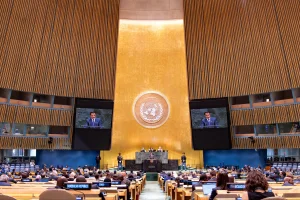
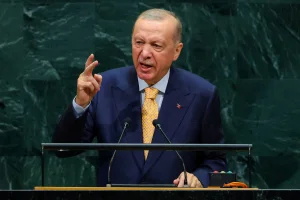
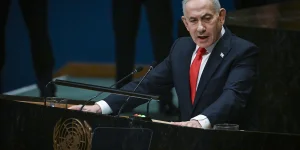
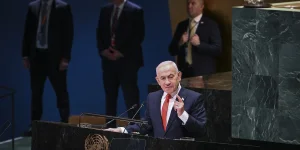
Israeli Prime Minister Benjamin Netanyahu, in his UN General Assembly address in New York on Thursday, strongly rejected the charge of “genocide,” arguing that Israeli forces had prevented a genocide against the Jewish people in Israel.
You might also like to read this: