Washington greenlights potential $24.3 billion sale of F-35 fighter jets to Saudi Arabia


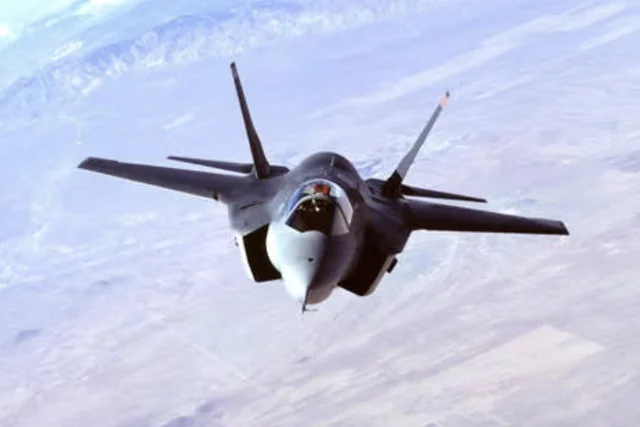
The United States has cleared a potential $24.3 billion sale of fifth-generation F-35 Lightning II Joint Strike Fighter jets and additional military equipment to Saudi Arabia, the U.S. State Department announced on Thursday.
The deal reportedly includes 48 fighter jets with conventional takeoff and landing capabilities and 49 Pratt & Whitney F135-PW-100 engines.
“This proposed sale will support the foreign policy and national security objectives of the United States by improving the security of a major non-NATO ally that is a force for political stability and economic progress in the Gulf region,” the State Department said.
Washington reportedly seeks to boost Saudi Arabia’s military capabilities to deter threats to its security, particularly from the Islamic Republic of Iran.
U.S. President Donald Trump said in November 2025 that his administration was considering selling F-35 fighter jets to Saudi Arabia.
The Israeli Air Force is currently the only Air Force in the Middle East operating F-35 fighter jets. Trump’s announcement raised concerns in Israel that such a deal could potentially erode the country’s qualitative military edge in the Middle East. However, the State Department said, “The proposed sale of this equipment and support will not alter the military balance in the region.”
Instead, Washington has argued that the sale would facilitate military cooperation between the U.S., Saudi Arabia, other regional partners and NATO allies. The proposed sale is now subject to a congressional review before it can proceed.
The announcement of the potential F-35 sale to Saudi Arabia comes days after the Iranian-backed Houthi rebels launched new attacks targeting Saudi military bases and oil facilities. Saudi Crown Prince Mohammed bin Salman reportedly recently asked Trump to intervene by launching U.S. strikes against the Houthis. However, Trump reportedly declined the request while offering intelligence support to the Saudi military.
During a covert meeting, Houthi officials reportedly reassured U.S. officials that they had no intention of attacking U.S. vessels in the region. The development reportedly prompted Washington to refrain from directly intervening in the military confrontation between the Houthi terrorist group in Yemen and Saudi Arabia.
The Houthis also claimed that they had, for the first time, succeeded in downing a Saudi F-15 fighter jet. Saudi authorities had not publicly confirmed the claim at the time of publication.
Declining to confirm the meeting with the Houthis, the U.S. State Department said Washington’s main interests in the Middle East “include ensuring freedom of navigation in the Red Sea and the region, as well as preventing the export of terrorism. The Trump Administration has clearly demonstrated its commitment to defending these interests against aggression from Iran and its proxies.”
Former U.S. Deputy Ambassador to Yemen Nabeel Khoury was more candid in an interview with the British news outlet The Guardian.
“The Houthis are promising the American administration that American and international navigation will not be affected in the Red Sea, but the only danger is to Saudi ships or those carrying Saudi oil,” Khoury said.
The Houthis have since July stepped up their drone and missile attacks on oil facilities in Saudi Arabia. The attacks have disrupted energy operations and raised concerns about potential increases in global oil prices. The Houthi advance toward the strategically significant Bab el-Mandeb Strait has further heightened those concerns, with the U.S. midterm elections scheduled for November.
Meanwhile, Israel reportedly provided intelligence to Saudi Arabia amid the confrontation with the Houthis. While Riyadh and Jerusalem do not have official diplomatic relations, both view the Houthis and the Iranian regime as common adversaries.
The Axios news outlet reported on Tuesday that U.S., Arab and Israeli military commanders reportedly held a secret meeting to discuss the regional security implications of the Houthi attacks on Saudi Arabia.
You might also like to read this: