








Trump ties US-Saudi nuclear pact to Abraham Accords, raising new questions
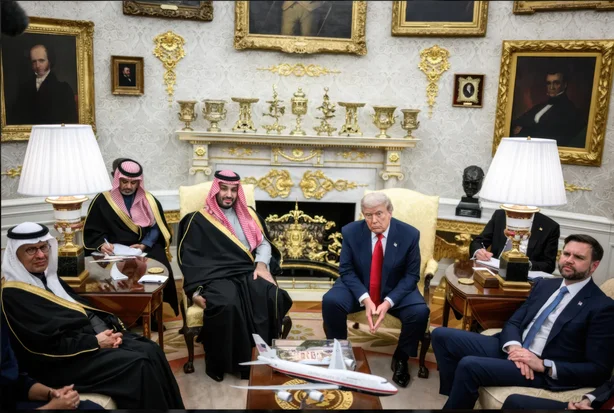
Details are emerging about the launch of a civilian nuclear energy agreement between the United States and Saudi Arabia after President Trump publicly appeared to contradict reports about one of its most contentious provisions, raising new questions about uranium enrichment and the future of Saudi-Israel normalization.
The agreement was announced last week by U.S. Energy Secretary Chris Wright, reportedly to the surprise of President Trump, who had planned to unveil it himself and was said to be furious that Wright announced it first.
The deal has drawn scrutiny from analysts across the political spectrum, particularly over reports that it could allow uranium enrichment on Saudi soil.
Such a provision would mark a significant shift in longstanding nonproliferation policy aimed at limiting the spread of nuclear weapons since the end of World War II.
Negotiations over the agreement had been closely followed in the media. Just one day before Wright's announcement, The Wall Street Journal reported that the deal's finalization was imminent.
Criticism of the agreement by the newspaper and other conservative media outlets was also reportedly poorly received at the White House.
Minutes after Fox News aired a panel discussion raising questions about the agreement, Trump posted on Truth Social that the deal does not allow uranium enrichment on Saudi soil but “pertains only to non-military use such as the ones that Iran and UAE (and others) already have." He also said it "is totally subject to Saudi Arabia joining the very respected and successful Abraham Accords."
Trump's statement surprised many analysts because the Biden administration had previously made Saudi participation in the Abraham Accords a condition for any agreement to provide the kingdom with US nuclear energy technology. Many observers had believed Trump would not insist on maintaining that requirement.
Saudi officials, however, responded by saying they had signed an agreement that did not include such a condition and that they expected Washington to honor the finalized deal regardless of Trump's subsequent social media post.
Trump's comments also prompted speculation about whether Israel had sought to influence his position. White House Press Secretary Karoline Leavitt said Trump has not recently discussed the agreement with Israeli Prime Minister Benjamin Netanyahu.
“The president is always the final dealmaker, as you know,” Leavitt said during the daily press briefing to reporters on Friday. She added that the Abraham Accords were “something that he feels very strongly about and has spoken about it in the past and will continue to uphold.”
The Abraham Accords, which normalized diplomatic, political and economic relations between Israel and the United Arab Emirates, Bahrain, Sudan and Morocco, were among the signature foreign policy achievements of Trump's first term.
In the days leading up to the Hamas attack on Israel on Oct. 7, 2023, there were indications that Saudi Arabia, and possibly Indonesia, could also join the accords.
Saudi Arabia has consistently maintained that it would join the Abraham Accords only if Israel committed to a serious and realistic pathway toward establishing a Palestinian state.
Many analysts and diplomats, however, have argued that the condition remains deliberately vague and could potentially be addressed in a manner that accommodates Israel's security concerns.
Popular article:
interview Easter message of resurrection hope amid war at Jerusalem's Garden Tomb

biblical commentary Let my people go: a Passover message for today

4 IDF soldiers killed, 2 wounded in fighting in southern Lebanon, as Israel eliminates dozens of Hezbollah terrorists

Receive latest news & updates
A message from All Israel News
Help us educate Christians on a daily basis about what is happening in Israel & the Middle East and why it matters.
For as little as $10, you can support ALL ISRAEL NEWS, a non-profit media organization that is supported by readers like you.
Latest articles:
North American Jewish organizations to recruit 100 professionals to combat antisemitism
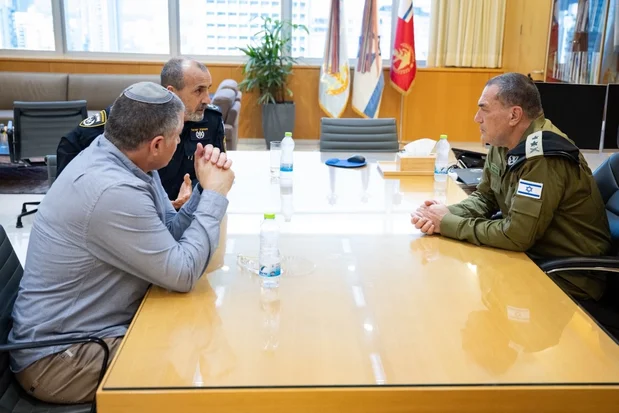
‘No need’ for pre-election Iran strike, IDF chief says as gov’t, opposition trade blame for potential escalation – report
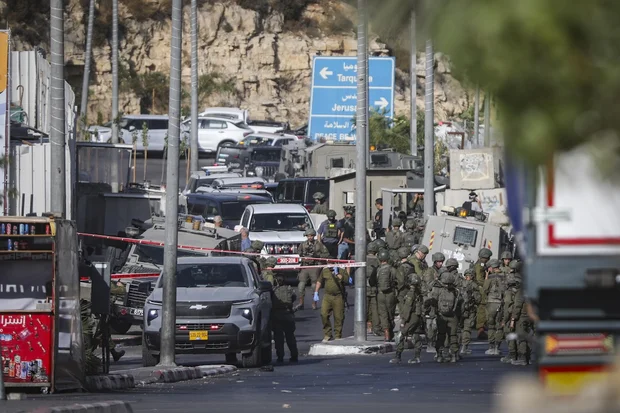
terror attack 2 Israeli soldiers killed, 2 terrorists eliminated in Hebron shooting; IDF says much larger attack was prevented
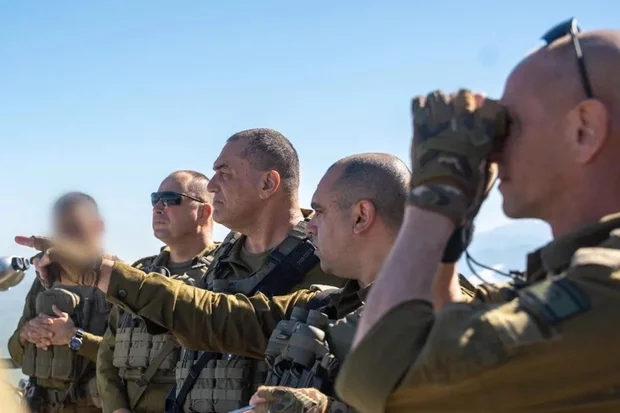
analysis A people dwelling securely? Israel’s strategic standing, 3 years after Oct 7
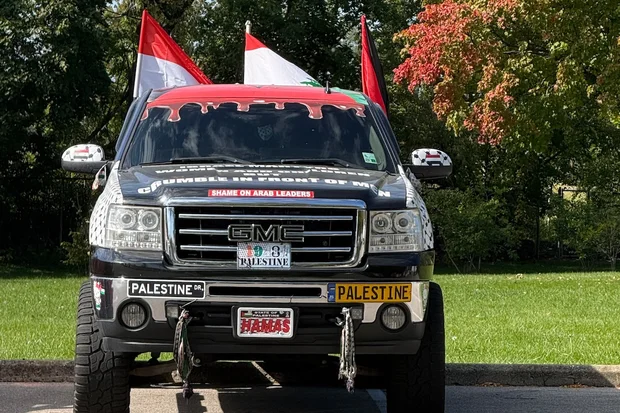
Hamas on wheels: What I found in Dearborn reveals a troubling history and a battle over Israel