








all israel edu Rosh Hashanah: The biblical threshold into a new season
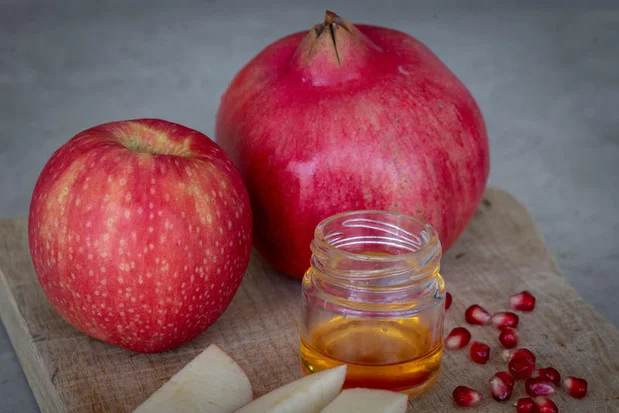
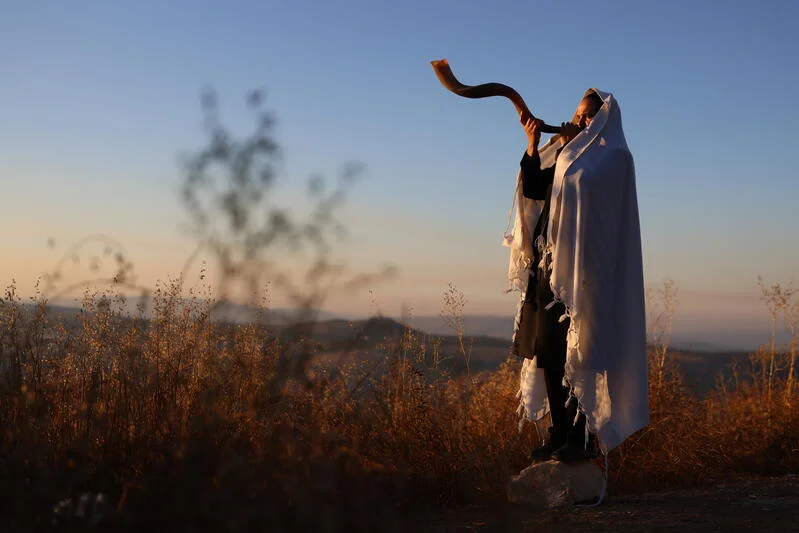
The Feast of Trumpets, or “Rosh Hashanah” (“head of the year”), has become more recently known for its controversial claim to be the start of a new year. In Jewish tradition, it’s the time when the year crosses over from 5786 to 5787 in the rabbinic counting system. It’s like a threshold.
With Yom Kippur, the Day of Atonement, just ten days away, Israelis are taking time to reflect on the previous year, turn over a new leaf, lay the old to rest, apologize for misdemeanors and make plans for a new start – much like New Year’s resolutions are made each January.
I say it is a controversial claim to be “head of the year” because biblically the start of the calendar year begins with the month of Nissan, the month of Passover in the spring but there are also biblical reasons to see the time of the Fall feasts as a significant point in the calendar.
In Leviticus 25, we read that the start of Jubilee years was heralded at Yom Kippur, for example, and “shmita” years, giving the land sabbath rest every seven years, are commanded in Deuteronomy 15:1, 31:10 and Exodus 23:16. The Feast of Tabernacles is described as the “end of the year” for these purposes:
“You shall keep the Feast of Harvest, of the firstfruits of your labor, of what you sow in the field. You shall keep the Feast of Ingathering at the end of the year, when you gather in from the field the fruit of your labor” (Exodus 23:16).
The Hebrew for “the year’s end” is also mentioned in Exodus 34, where the term “tkufat hashanah” (תְּקוּפַת הַשָּׁנָה) is used, meaning the period of the [changing] year. The Hebrew word for “year” is “shanah,” which shares the same three-letter root with the word for “change.”
So it is not entirely unbiblical to see the time of the high holidays, which begin with Rosh Hashanah, as a threshold – a gateway into a new season – both culturally and ceremonially.
Across the Jewish world, people take stock of their situation, and the Israeli authorities release data at this time to tell us about the demographic changes we have seen in our nation: Numbers coming in through aliyah (Jewish immigration) and birth, numbers leaving Israel for various reasons and other facts and figures about the general health and wellbeing of the nation, looking at a number of indices.
Hebrew days start at sunset and continue through the night and following day until sunset again, mirroring the pattern laid out in Genesis 1: “And there was evening, and there was morning," which means that the new year begins the evening before.
This year, the change to 5787 comes on the evening of Sept. 11 – a significant date that, in many ways, marked the end of one era and the beginning of a new one. Out with the old and in with the new. Of course, change is not always a good thing, despite the optimism a fresh start usually generates.
Just as the terrorism that hit the Twin Towers changed reality far beyond New York, the Hamas attack that took place almost 3 years ago during the Fall feasts has rippled out to the ends of the earth. The world will never be the same again.
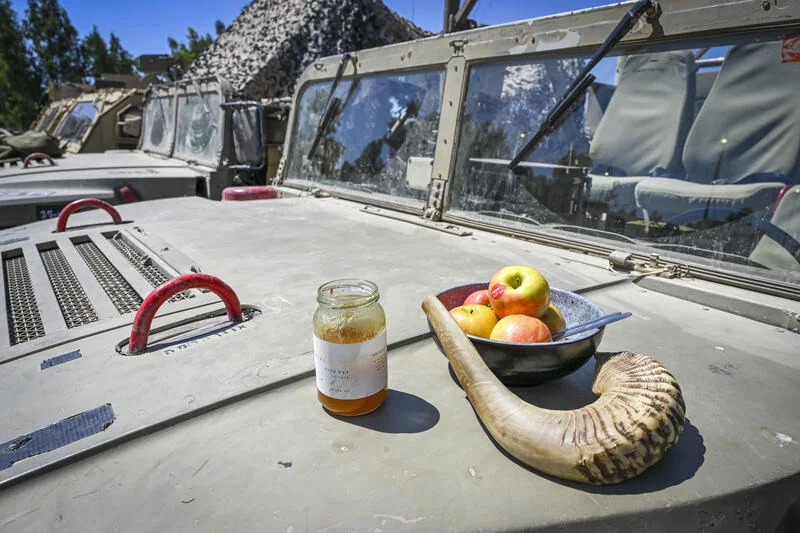
Although the conflict precipitated on Oct. 7, 2023, rumbles on with Hamas, Hezbollah and the Islamic Regime refusing to part with their weapons and world domination enterprises, there is hope that we are seeing the back end of this war.
As believers, we always have hope, but we also have the gift of prayer. We are not left wishing listlessly for better days; we can ask our Heavenly Father to intervene.
We are standing at the threshold of a new season. Let’s pray for a season of peace: for the Islamic regime to finally fall, for the people of Iran to be free and the terrorist armies to be disarmed.
Let’s pray for a lasting peace treaty with Lebanon, and for agreements around the whole region. But let’s also pray for Israel, as there are many conflicts between different groups within our borders, and we need peace here too.
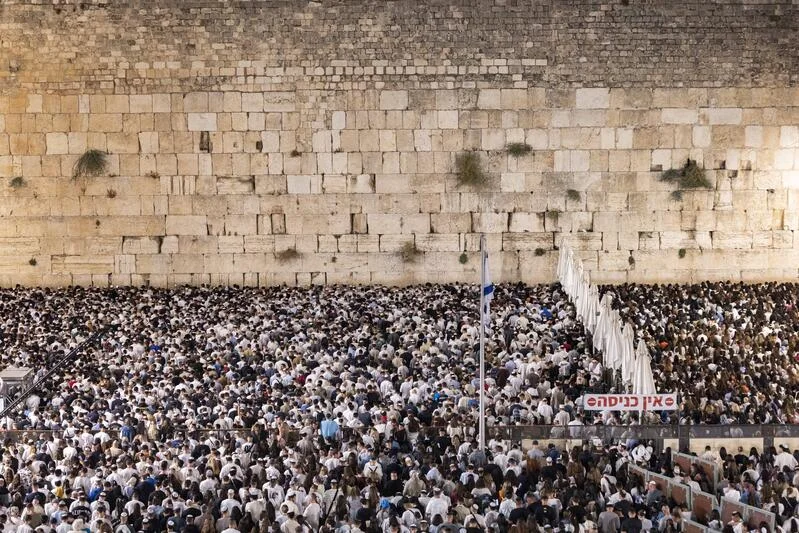
In Zechariah 8, God promises that He has purposed good, not harm, for Jerusalem and Judah, encouraging them not to fear. But He stipulates what must happen in the gates, the thresholds of the nation:
“These are the things that you shall do: Speak the truth to one another; render in your gates judgments that are true and make for peace; do not devise evil in your hearts against one another, and love no false oath, for all these things I hate, declares the Lord… Therefore love truth and peace” (Zech. 8:16,17, 19b).
Then, He says, “Peoples shall yet come, even the inhabitants of many cities,” painting a picture of numerous people from the nations streaming to Jerusalem and encouraging others to join.
Covid and war have wreaked havoc on the tourism industry, but there is cautious hope that a huge return of tourists is just around the corner.
Many are praying that those from the nations will come back in great numbers. Let’s see what the Rosh Hashanah data will tell us about how many crossed the threshold into Israel by this time next year!

Please take a moment and join others who are praying for Israel at this very moment by adding your light on the live prayer map with a simple click at prayforisrael.live.
Popular article:
interview Easter message of resurrection hope amid war at Jerusalem's Garden Tomb
biblical commentary Let my people go: a Passover message for today
4 IDF soldiers killed, 2 wounded in fighting in southern Lebanon, as Israel eliminates dozens of Hezbollah terrorists

Receive latest news & updates
A message from All Israel News
Help us educate Christians on a daily basis about what is happening in Israel & the Middle East and why it matters.
For as little as $10, you can support ALL ISRAEL NEWS, a non-profit media organization that is supported by readers like you.
Latest articles:
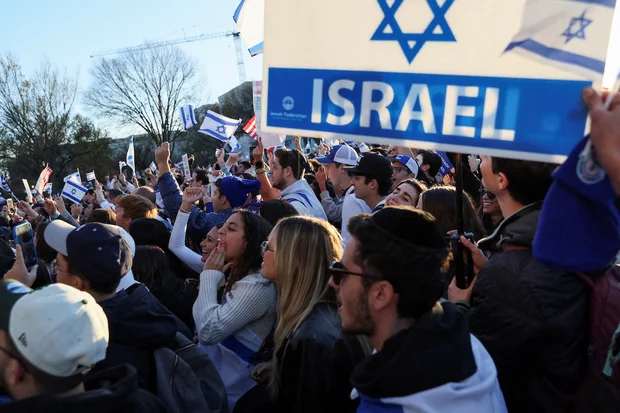
all israel edu North American Jewish organizations to recruit 100 professionals to combat antisemitism
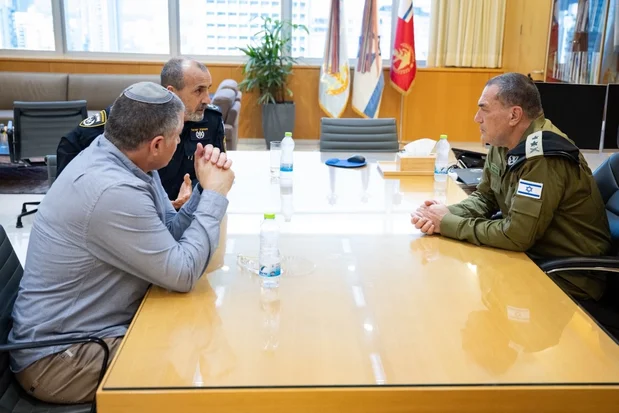
all israel edu ‘No need’ for pre-election Iran strike, IDF chief says as gov’t, opposition trade blame for potential escalation – report
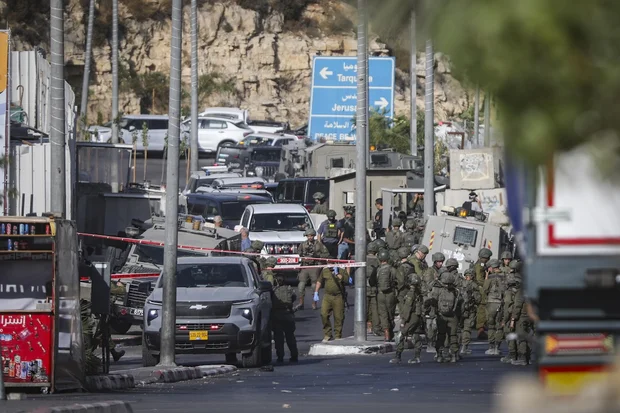
terror attack 2 Israeli soldiers killed, 2 terrorists eliminated in Hebron shooting; IDF says much larger attack was prevented
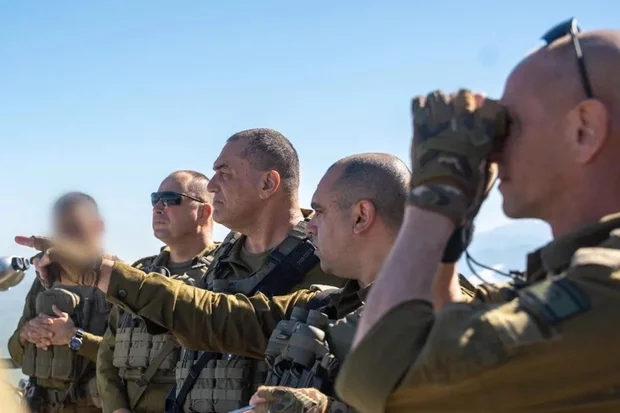
analysis A people dwelling securely? Israel’s strategic standing, 3 years after Oct 7

all israel edu Hamas on wheels: What I found in Dearborn reveals a troubling history and a battle over Israel