Playing with fire: Democrat Senate nominee El-Sayed risks a Jewish revolt in razor-thin Michigan race
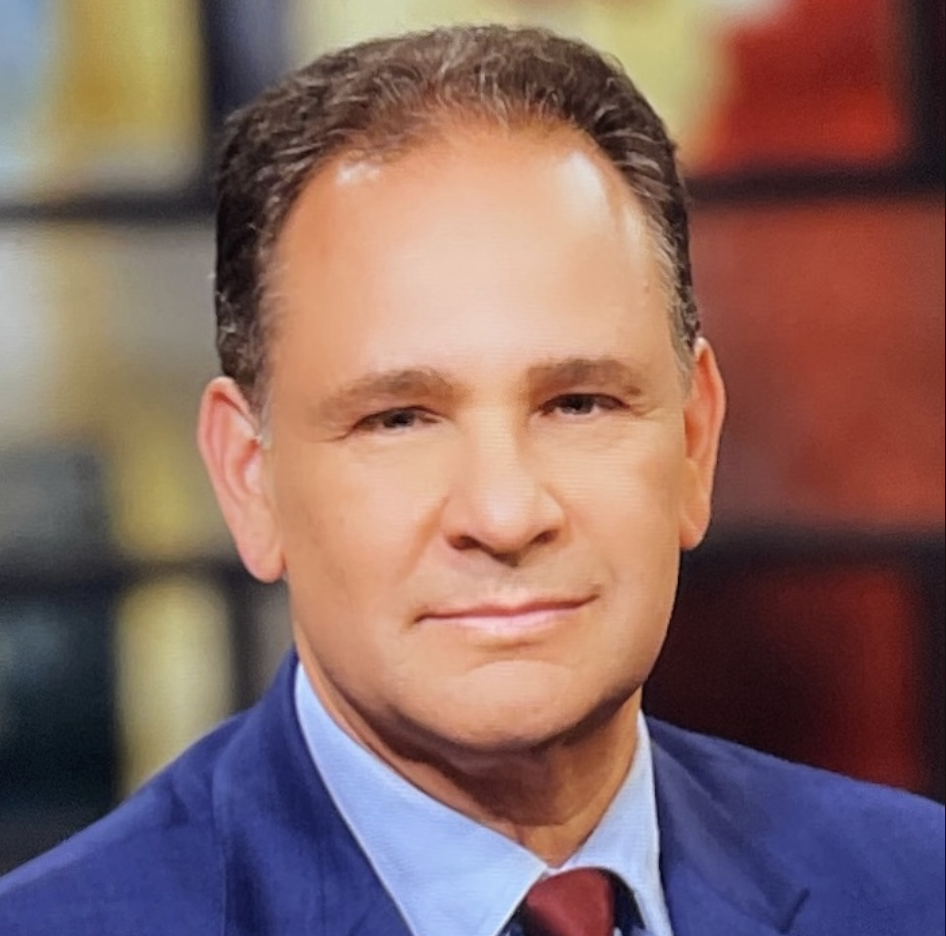
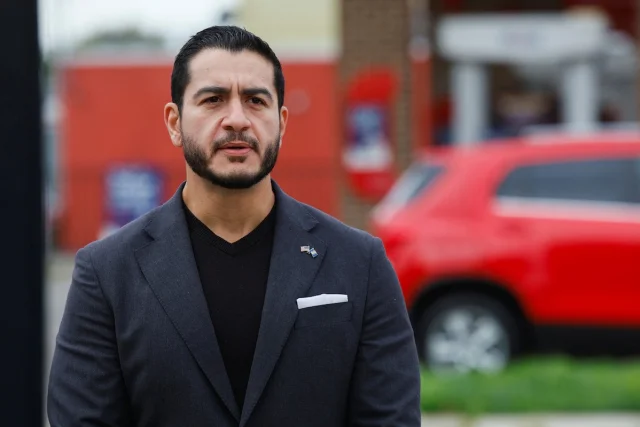
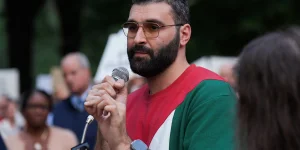
With Michigan’s U.S. Senate race entering its final stretch, the controversial Democratic nominee Abdul El-Sayed is continuing to take positions on Israel and Iran that are generating pushback from some Jewish voters. It’s like he can’t help himself and it very well could hurt him politically. In a crucial state where elections can be decided by a few thousand votes, the Jewish vote will most likely become very significant.
The latest flashpoint came during an appearance on the “Raging Moderates” podcast with Scott Galloway and Jessica Tarlov. Both hosts are Jewish, and both pressed El-Sayed over his rhetoric toward Israel and concerns they are hearing from Jewish voters. El-Sayed has repeatedly accused Israel of committing genocide in Gaza.
During the interview, he defended continuing to use the term, invoking the Holocaust while explaining his reasoning. Tarlov warned El-Sayed that some voters were looking for what she characterized as a basic acknowledgment of their concerns – but El-Sayed didn’t bite. His response was essentially that voters will have to decide whether they can live with the disagreement.
“You might disagree with me, and that might mean you might not vote for me,” he told the hosts. “That’s Okay.” Actually, El-Sayed’s stance is not okay and someone who is okay voting against the Senate Democrat nominee in Michigan may not be okay politically for El-Sayed.
Michigan is home to roughly 100,000 Jews, according to estimates cited during the 2024 election. A significant portion lives in the Metro Detroit area, particularly communities such as West Bloomfield, Bloomfield Hills and surrounding Oakland County. A 2018 demographic study estimated nearly 72,000 Jews in the greater Detroit Jewish community alone, while Ann Arbor and Washtenaw County contain another substantial population.
Historically, Jewish voters have leaned heavily Democratic. That is nothing new. Pew Research Center found in 2024 that 69% of Jewish voters identified with or leaned toward the Democratic Party, compared with 29% who identified with or leaned Republican. More recent national polling found that 66% of Jewish voters supported former U.S. Vice President Kamala Harris in the 2024 presidential election.
Michigan, however, is exactly the kind of state where changing those margins even modestly can matter. Just look at what happened two years ago.
In the 2024 Michigan Senate election, Democrat Elissa Slotkin defeated Republican Mike Rogers by only 19,006 votes out of more than 5.5 million cast – 48.64% to 48.30%. Rogers is now running again, this time against El-Sayed. Put another way: the entire 2024 Senate race was decided by a margin considerably smaller than Michigan’s overall Jewish population.
That doesn’t mean Jewish voters will suddenly become Republican. National polling still shows them favoring Democrats. Nor are Jewish voters monolithic on Israel. Some progressive Jewish organizations and voters have supported El-Sayed, while others have opposed him sharply. The Michigan Jewish community is divided over his candidacy but in an election decided at the margins, Democrats could potentially feel the effects if traditionally Democratic Jewish voters switch to Rogers, vote for third-party candidate, leave the Senate race blank, or simply stay home.
Republicans clearly understand the opportunity. Rogers is specifically reaching out to Jewish voters, as he looks for those who are willing to cross party lines. Meanwhile, El-Sayed has attempted to repair relationships.
He apologized following criticism of his reaction to the violent attack at Temple Israel in suburban Detroit and recently met privately with rabbis there. Michigan Attorney General Dana Nessel, a prominent Jewish Democrat who had publicly raised concerns about El-Sayed’s positions, has now endorsed him. Still, the controversies keep coming.
During a University of Michigan Town Hall meeting on Wednesday, Persian student Iman Dashti confronted El-Sayed over his previous remarks surrounding the death of former Iranian Supreme Leader Ayatollah Ali Khamenei.
Dashti said members of his family had suffered under the Iranian regime and challenged El-Sayed over earlier leaked audio in which the candidate declined to comment on Khamenei’s death because, El-Sayed said, some people in Dearborn were mourning him. Dashti pressed El-Sayed to state clearly whether he stood with Iranian opponents of the regime.
El-Sayed responded that he supports democratic movements but opposes the United States engaging in regime change. “I will always stand with movements for freedom and democracy,” El-Sayed said, while arguing that political change in Iran should ultimately come from Iranians themselves. No apology. No unequivocal denunciation of the Islamic Revolutionary Guard Corps (IRGC). Nothing.
It’s extremely clear that El-Sayed is not going to substantially change his views simply to win over skeptical voters, especially when it comes to Israel or denouncing Iran’s leadership.
He’s playing with political fire because Jewish voters are watching closely and will now decide how much those moves matter to them. It could cost El-Sayed a seat in the U.S. Senate.
You might also like to read this: