New York Magazine dubs NYC 'Habibi City' amid growing Arab, Muslim influence



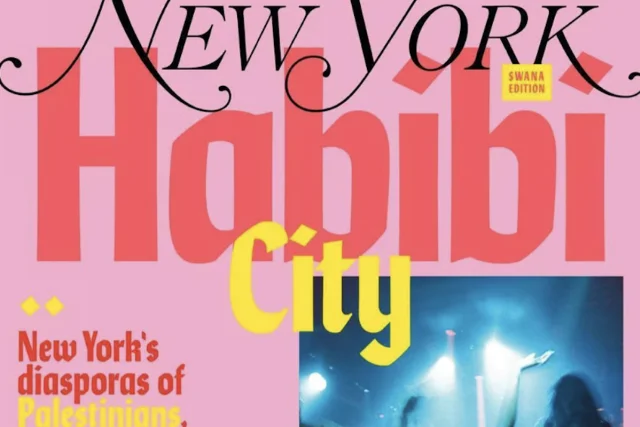
The New York Magazine has dubbed New York “Habibi City” in its latest issue, which examines the growing Arab and Muslim influence in the Big Apple amid the aftermath of the Hamas-led Oct. 7, 2023, terror attack in southern Israel and the ensuing Gaza war.
The magazine has positioned itself as a media player that captures evolving trends and moods in America’s largest city. Its latest issue focuses on the rise of Arab – specifically Palestinian Arab – culture in New York over the past three years. The magazine notes that the factors behind the growing influence include the Oct. 7 attack, the Gaza war and the election of Zohran Mamdani as New York’s first Muslim mayor.
Mamdani has embraced anti-Israel sentiment among some young New Yorkers, openly describing himself as an “anti-Zionist” and accusing Israel of committing “genocide” in Gaza.
The New York Magazine article, written by journalist Zaina Arafat, focuses on the city's Muslim and Arab communities, including those with roots in the Middle East and North Africa. Mamdani and his wife, Rama Duwaji, have publicly participated in Ramadan iftar meals and other Muslim ceremonies in New York while embracing Arab culture. Duwaji, who is of Syrian descent, has worn clothing by Middle Eastern designers and publicly posted Spotify playlists featuring songs such as “Hungry But Sexy for Palestine.”
The growing Arab and Muslim presence in New York has coincided with a sharp rise in antisemitism in the city, which is home to the largest Jewish community outside Israel. Meanwhile, the number of New Yorkers identifying as having Arab roots has reportedly tripled since 1980, excluding residents from non-Arab Muslim communities such as those from Iran and Afghanistan. Demographic changes have prompted speculation that the number of Muslims in New York could eventually surpass the city’s Jewish population.
Critics have accused the magazine of displaying anti-Jewish and anti-Israel bias. Among the examples cited is its feature on an Arab restaurant whose menu includes a map depicting Israel as part of “Palestine” under the title “Discover Palestine.”
The article also features Israeli chef Loren Abramovitch apologizing for what she describes as “cultural appropriation” of Palestinian food. Falafel is widely eaten throughout Israel and the broader Arab world and is not exclusive to any single Middle East country.
“Deep in my brain, I think I have all the authority in the world to make falafel, but at the same time I understand that it’s going to be a mess,” said Abramovitch.
NY Magazine also described how identifying with the community requires an acceptance of the characterization of Israel’s war against Hamas in Gaza as genocide. The article noted that members of the Muslim community “are forced to contend with xenophobia, Islamophobia and Zionism.”
Critics have objected to the magazine’s framing of Zionism alongside xenophobia, arguing that Zionism is a Jewish national movement rather than a form of prejudice, stating that “for ‘Habibi City’ to be born, New York City must die.”
American-Israeli journalist Liel Leibovitz also criticized the magazine’s use of the term SWANA, an acronym for Southwest Asia and North Africa. Leibovitz argued that the term “now apparently represents anyone who is vaguely Middle Eastern and loathes capitalism, America and the Jews.”
He said the magazine is “not only reporting on the SWANAfication of New York, but adopting its rhythms, its feverish and conspiratorial thinking, its senseless and absurd formulations and its absolute biases.”
The New York Sun expressed similar concerns. Its editorial noted, “The metropolis imagined this week in the pages of New York Magazine is one in which there is no place for Jews or Israelis.” It added that “its governing spirit is not pluralism, but the purification of those New Yorkers who are already facing surging antisemitism.”
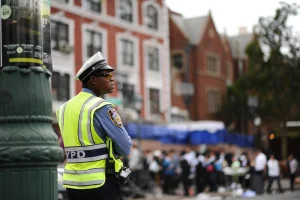
While Islamophobia has become an increasingly prominent term in discussions about discrimination, critics have pointed to a disparity in hate-crime statistics. The New York Police Department has recorded 178 hate crimes against Jews since January, compared with 21 against Muslims.
In January, Mamdani began his tenure as New York mayor by revoking the international IHRA definition of antisemitism, which includes certain forms of anti-Israel rhetoric, including demonizing Israel or calling for its destruction.
You might also like to read this: