Netanyahu says he gave Syrian leader Sharaa ultimatum to stop attacks on Druze in 2025 phone call
PM reportedly gave Syria nine hours before striking in Damascus


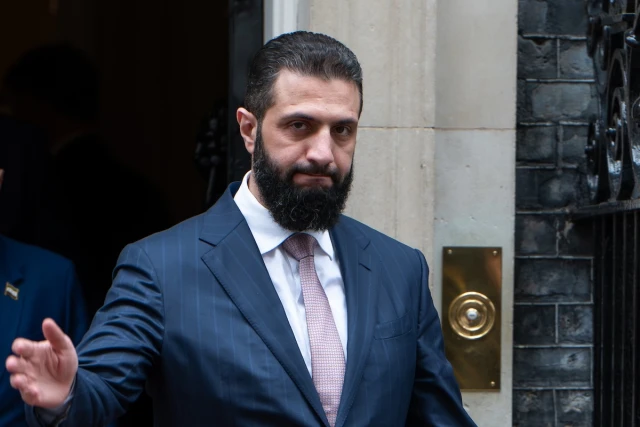
Prime Minister Benjamin Netanyahu revealed that he spoke with Syrian President Ahmed al-Sharaa on the phone in the summer of 2025 before ordering the IDF to conduct airstrikes in Damascus to stop the slaughter of Druze in southern Syria.
The comments came as Netanyahu met Druze supporters at a conference hosted by his Likud party in the majority-Druze town of Yarka, in northern Israel. Many parties, including the Likud, have historically held a reserved spot for a Druze candidate. Currently, Yarka-born Afif Abed serves as a Likud member of Knesset.
The Druze communities in Israel and Syria maintain close ties. In July 2025, Israeli Druze leaders pressured the government to intervene in the slaughter of the Druze in the southern Syrian city of Suwayda, where Syrian government forces took part in attacks.
“I picked up the phone to Sharaa,” Netanyahu told the audience, “It was a very short and very sharp conversation. And the slaughter stopped.”
“I will do everything I can to protect our brothers and your brothers,” he vowed.
i24 News later reported excerpts from the conversation, citing protocols from the State Comptroller’s office reviewed by the news outlet.
According to the report, Netanyahu called Sharaa at around 1:30 p.m., telling him: “I want to be brief. Apparently the message via the mediators didn't get through properly. A genocide is being committed against the Druze. By 10 p.m., your forces must withdraw from Suwayda.”
“I had hoped our conversation would go differently,” Sharaa said.
Netanyahu: “I'm calling on you to withdraw your forces, or we will intensify our strikes.”
Sharaa replied, “I need 48 hours.”
“That’s unacceptable. Withdraw the forces first,” Netanyahu concluded. Several hours later, the Israeli Air Force conducted strikes on the Syrian Presidential Palace and the General Staff headquarters in Damascus.
The attacking forces, including units of the new government led by self-declared President al-Sharaa and Bedouin gunmen, later withdrew from the city, but Suwayda, known as the “Mountain of the Druze,” remains under a quasi-siege.
Local sources put the death toll from the attack and resulting fighting at almost 2,000, including at least 789 Druze civilians, according to the Syrian Observatory for Human Rights watchdog.
Some 150,000 Druze live in Israel, with the community based in the Galilee having a long tradition of military service and producing many high-ranking officers, including generals.
Sheikh Hikmat al-Hijri, one of Syria’s three major Druze spiritual leaders, has pursued a markedly pro-Israel policy in recent years and thanked Israel for saving his community.
On the first anniversary of the massacre, Hijri declared that the Druze community was “an integral part of the State of Israel,” praising its model of state-building and saying their communities shared “common denominators.”
Despite ongoing tensions between Damascus and Jerusalem, the U.S. Trump administration has continued mediating negotiations and pushing for a security arrangement between the countries, with the goal of eventually reaching a comprehensive peace agreement.
Sharaa recently referred to the Israeli strikes on the presidential palace as "indiscriminate bombing."
He also accused Israel of pulling back every time the sides approached an agreement, claiming, “There were several sessions of negotiations with Israel, and we almost reached 90% of agreements… We are still engaging in this track.”