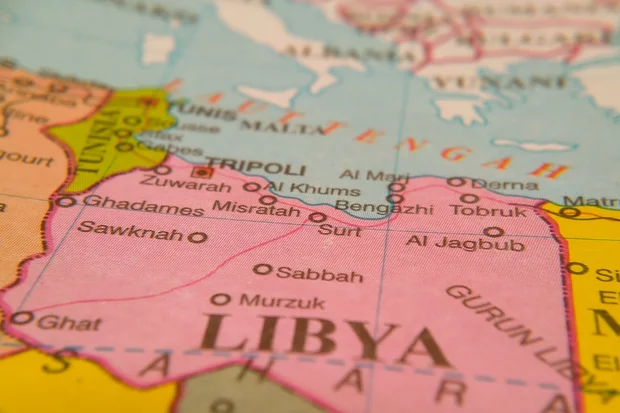









Lebanese official warns Israel not to pass on ‘last chance’ for peace, appeals for help to remove Hezbollah ‘cancer’
Lebanese president: Agreement with Israel 'serves Lebanon’s interests, not to appease foreign party'
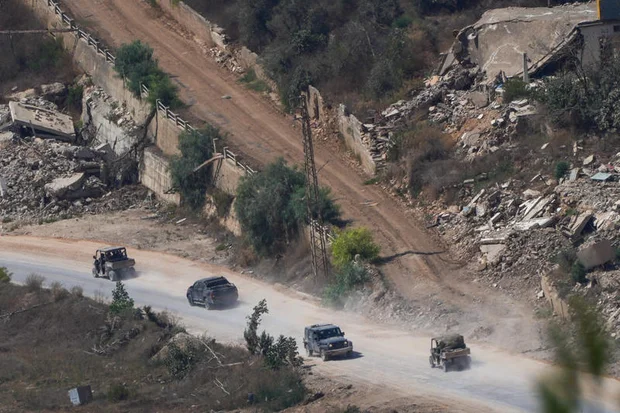
Amid multiple reports that a pilot project to hand over areas in southern Lebanon from the control of the IDF to the Lebanese army is failing, an anonymous official appealed to Jerusalem to give the process more time, warning it not to let this “last chance” for peace pass.
The unnamed senior official talked to Ynet News on the sidelines of the MEAD conference in Washington on Wednesday: “Israel must help us. Israel must give us oxygen,” the official said. “The Lebanese people today dream of peace with Israel.”
In June, Beirut and Jerusalem had agreed to begin the process of handing over territory to the Lebanese Armed Forces, intending to deploy the troops there, displacing Hezbollah while preventing the terrorists’ return to the same areas.
However, the LAF has reportedly neither continued the IDF’s work of dismantling Hezbollah’s infrastructure and destroying its weapons, nor prevented the infiltration of Hezbollah operatives in the guise of ostensibly civilian groups like its Islamic Health Organization.
Last week, Israel released Lebanese detainees as a goodwill measure, but tensions ratcheted up again over the weekend after Hezbollah fired two explosive drones at Israeli troops in southern Lebanon. The IDF hit back with strikes on Hezbollah targets that reportedly killed 27 people.
The Lebanese official urged that “Israel needs to give us a chance and not respond disproportionately to Hezbollah attacks, because Hezbollah wants to blow up the process.”
“Hezbollah fires drones at IDF forces in order to draw a disproportionate Israeli response, to blow everything up,” he said, adding that Israel should avoid strikes in Beirut as “That is a sensitive point that greatly weakens the government.”
The official emphasized that “Hezbollah is Lebanon’s cancer, but for this [agreement] to succeed, we need your help.” He acknowledged that “only you can do the job [of disarming Hezbollah], but do it properly,” adding that the LAF is still too weak to confront Hezbollah.
But the official also urged Israel to publicly commit “that when Hezbollah is disarmed, Israel will withdraw completely,” he said. “Then peace between the countries will be possible… There is a consensus among all communities in Lebanon, except for the majority of the Shiites, that they want peace with Israel. This is the last chance.”
“There is momentum now, but we lose it when we hear extremist ministers in Israel saying settlements should be established in Lebanon,” the official explained. “It’s stupid.”
The government of President Joseph Aoun has been under intense internal pressure, including concerns that Hezbollah could assassinate him, over his efforts to negotiate directly and reach an agreement with Israel.
On Wednesday, Aoun reaffirmed his desire to make peace, explaining that “When I call for ending the state of hostility with Israel, I mean ending the wars that devastated the country and claimed innocent lives - wars we can no longer afford to endure. Any other interpretation is erroneous and suspect.”
Hinting at Hezbollah and other Shiite parties loyal to the Iranian regime, Aoun warned that “anyone who seeks external backing against a fellow citizen at home is bound to lose, because foreign powers will eventually abandon them.”
“No war in Lebanon has ever produced a winner; rather, everyone lost, and the nation itself suffered. We chose the path of negotiation because we are a sovereign state; this decision serves Lebanon’s interests and is not intended to appease any foreign party,” he affirmed.
Legal activist Majd Harb told the Lebanese outlet This is Beirut that the “war with Israel is an alibi that Hezbollah is using to keep its arms, while its biggest enemy is the rise of a strong Lebanese state that would disarm it.”
“Hezbollah considers its battle to be in the interior, not against Israel,” Harb added, while criticizing the Lebanese state for “standing idle” rather than implementing its decision to disarm the group.
“The equation is very clear: Hezbollah refuses to disarm and the state does not want to implement its decisions, be it the decision to disarm Hezbollah or to ban it,” agreed Charles Jabbour, spokesman of the Christian party Lebanese Forces.
“That is the big challenge that the country is facing and the situation in which it is stuck. The main question is how to get out of this situation,” Jabbour added.

Please take a moment and join others who are praying for Israel at this very moment by adding your light on the live prayer map with a simple click at prayforisrael.live.
Popular article:
interview Easter message of resurrection hope amid war at Jerusalem's Garden Tomb

biblical commentary Let my people go: a Passover message for today
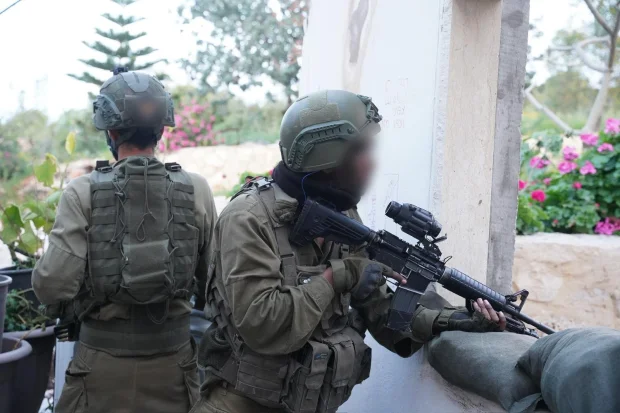
4 IDF soldiers killed, 2 wounded in fighting in southern Lebanon, as Israel eliminates dozens of Hezbollah terrorists

Receive latest news & updates
A message from All Israel News
Help us educate Christians on a daily basis about what is happening in Israel & the Middle East and why it matters.
For as little as $10, you can support ALL ISRAEL NEWS, a non-profit media organization that is supported by readers like you.
Latest articles:
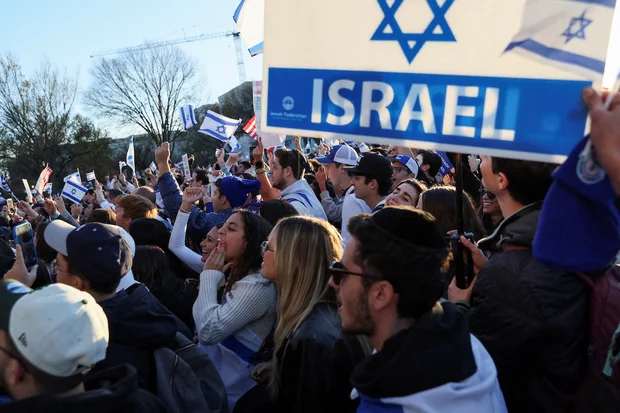
North American Jewish organizations to recruit 100 professionals to combat antisemitism
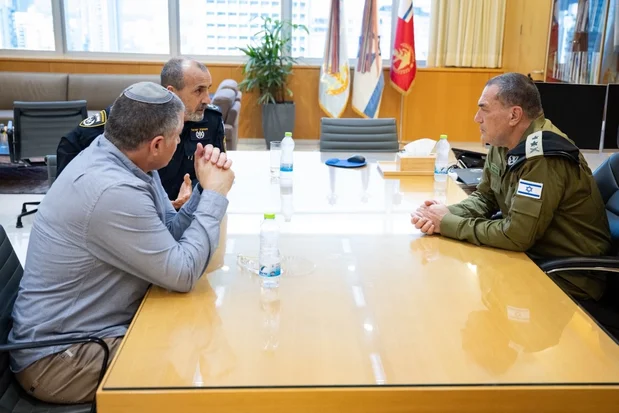
‘No need’ for pre-election Iran strike, IDF chief says as gov’t, opposition trade blame for potential escalation – report
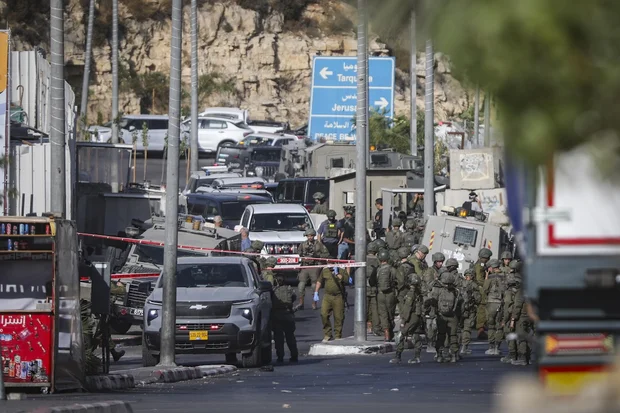
terror attack 2 Israeli soldiers killed, 2 terrorists eliminated in Hebron shooting; IDF says much larger attack was prevented
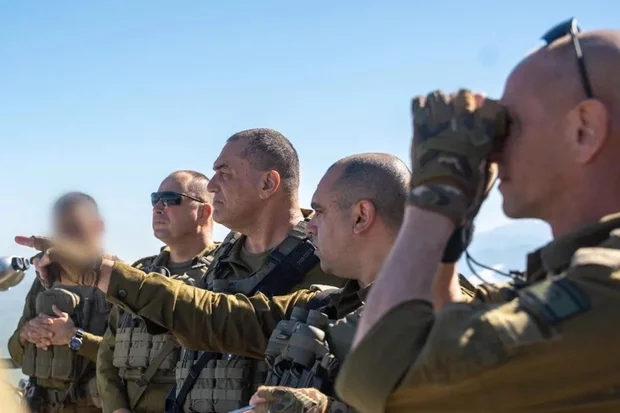
analysis A people dwelling securely? Israel’s strategic standing, 3 years after Oct 7
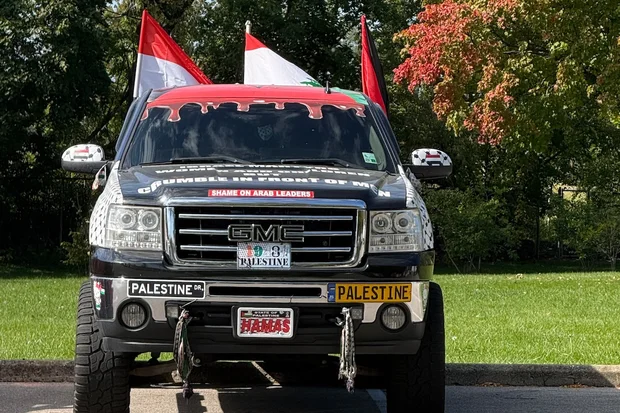
Hamas on wheels: What I found in Dearborn reveals a troubling history and a battle over Israel