Israeli Jew and Arab calligrapher create Arabic ‘Chai’ to celebrate life amid war
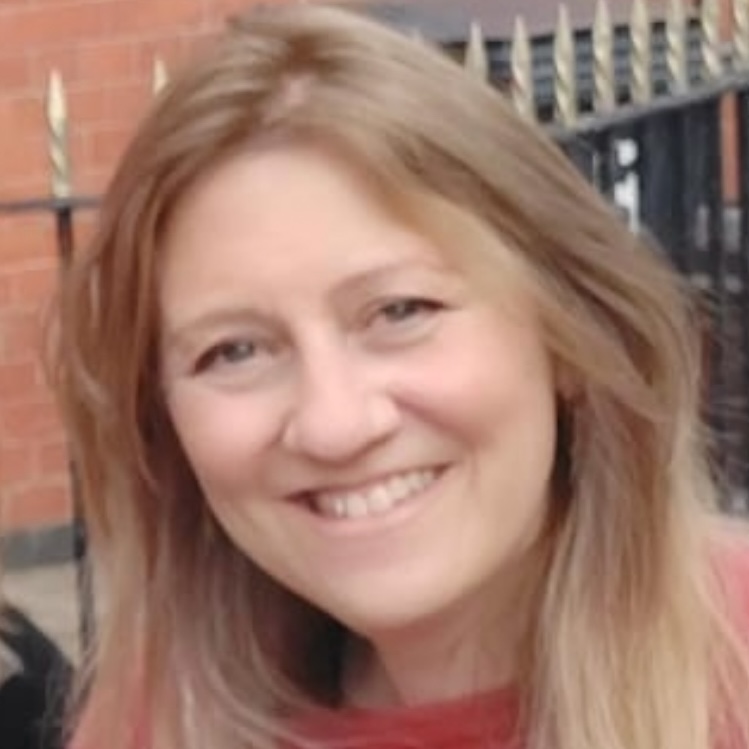

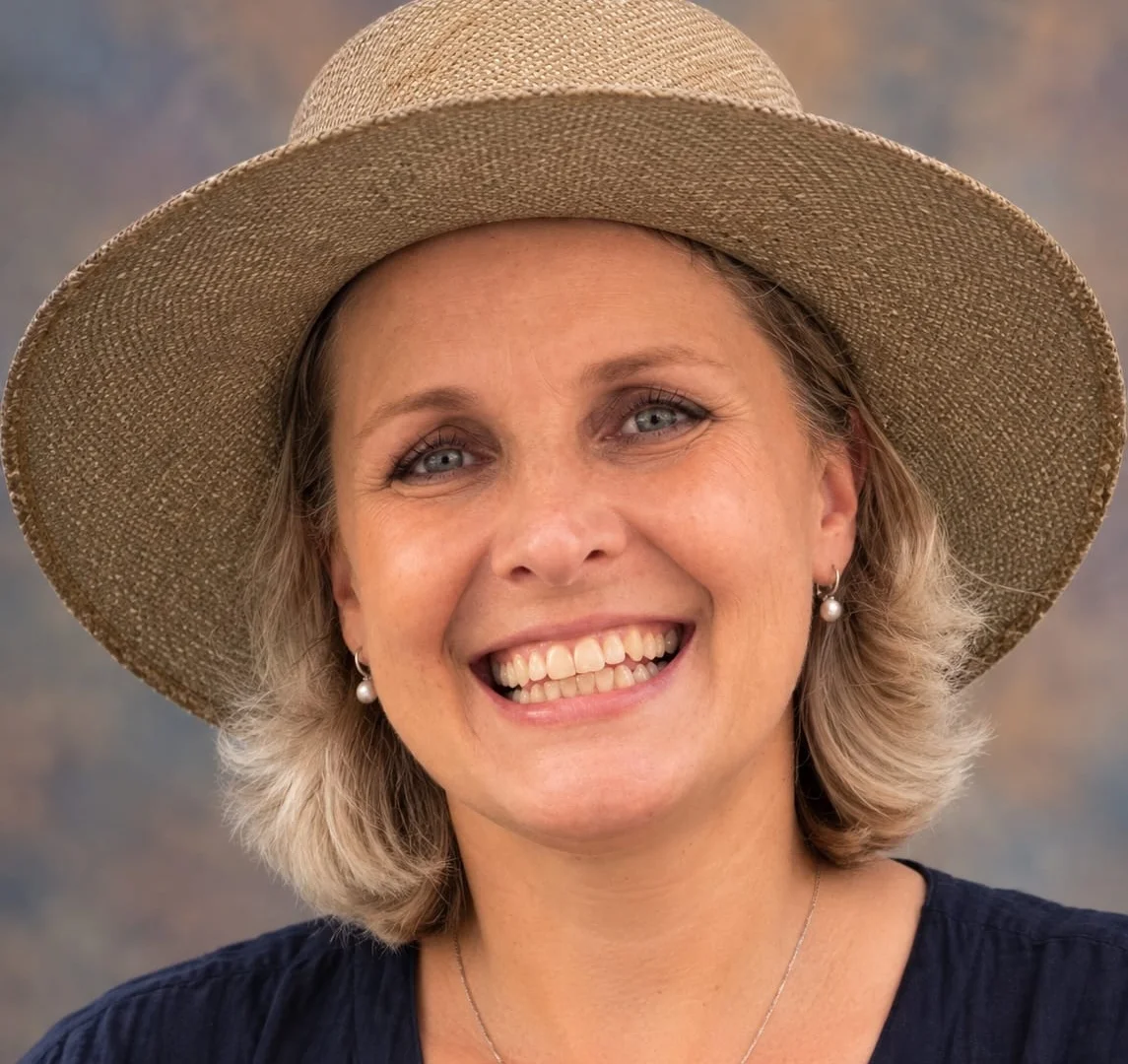
Elisheva Dvir is a Jewish Israeli with an unusual idea. She lives with her husband in the Druze village of Isafiya on Mount Carmel in northern Israel, which is largely Arabic-speaking. In the wake of Oct. 7, 2023, and amid a context of war and death, she came up with an initiative to emphasize the value of life for Jews, Arabs, and all people.
It is common for Jewish people to wear a “Chai” pendant, featuring the Hebrew letters for “alive,” around their necks. But when Dvir discovered it was the same word in both languages – with the two words sharing the same Proto-Semitic root – she wanted to create an Arabic design expressing the same concept. Without referring to politics or religion, she wanted to extend this Jewish way of celebrating life into Arabic as well, wishing life for everyone.
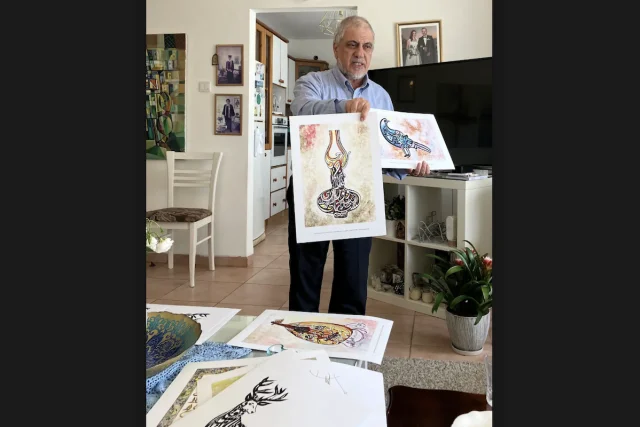
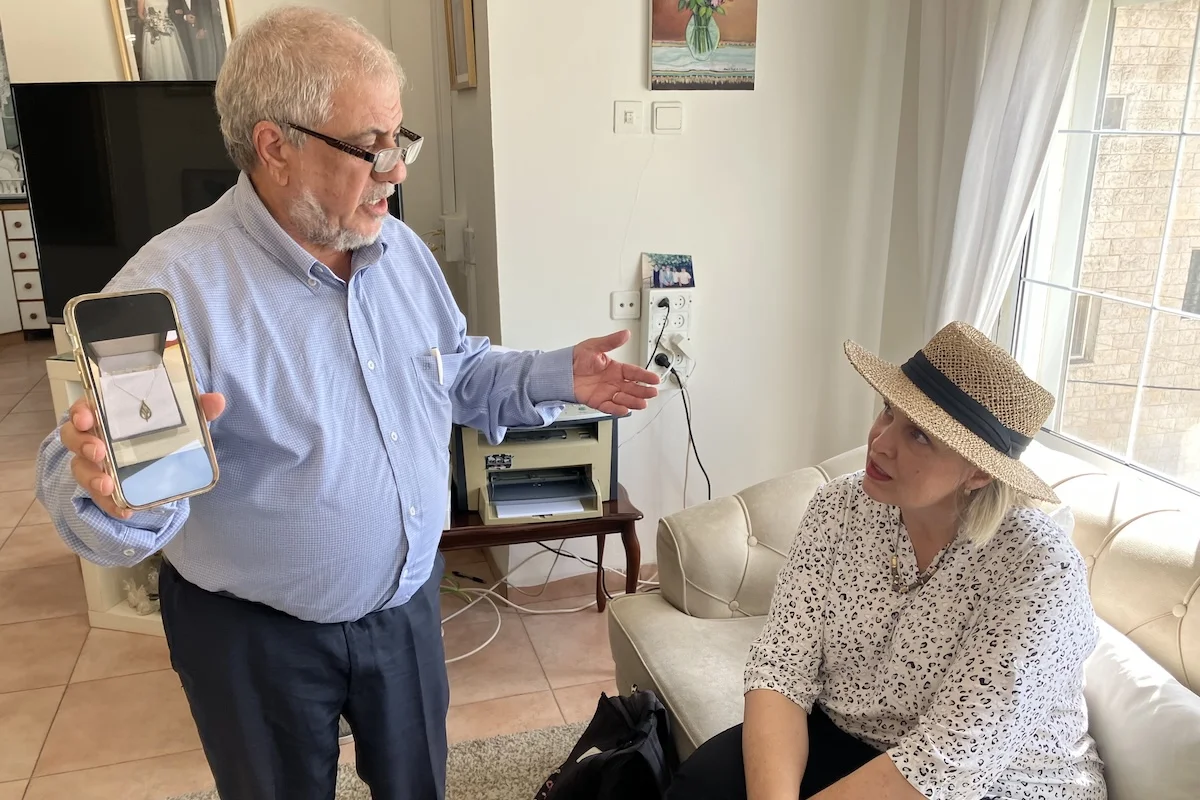
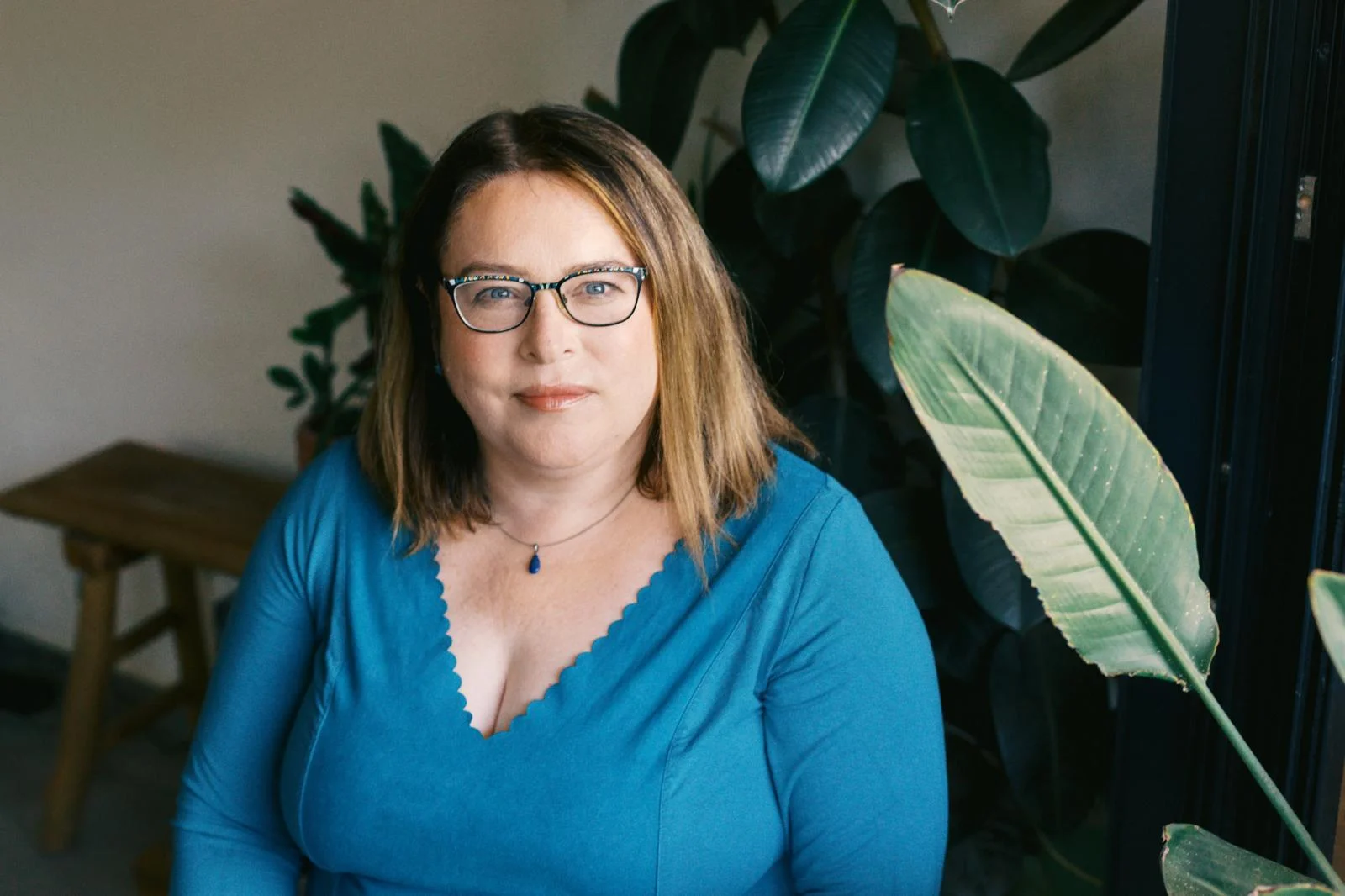
Wendy Halloun is a family friend of Kamil Dow, renowned Arab calligrapher whose work hangs in the president’s house in Jerusalem. After hearing Dvir’s idea, Halloun made the connection, saying she believed the project “had light and life in it.” Dvir was invited to visit Dow in his home. With an abundance of Arab hospitality, thoughts were shared, ideas explored, and art displayed as the inspiration flowed.
“I’m very much a language person and like most people, I’ve been wrestling with the issues presented by life post-October 7. I always seem to return to the idea of the preciousness of life as the essence of everything. One day I was reading a sign in the village that's in Arabic and I thought to myself… I wonder what 'chai' would look like in Arabic,” Dvir told Dow, saying that the fact that their paths had crossed with him as a skilled artist and calligrapher encouraged her that it was an idea worth pursuing.
“I feel strongly about it, that there's something there. If we could… create an artwork that could be turned into a pendant,” she explained, adding that there could also be other applications and products. “Something that's true to Arabic culture and true to the art of calligraphy, something with design integrity, that could speak to the heart,” she emphasized.
Initially Dow seemed hesitant. As a Christian, he preferred a message focused on Jesus. However, as they interacted, he showed her his artwork and explained his philosophy, sharing the story of how he got started in the first place.
Back in the 1970s, newspaper titles were written by hand by professional calligraphers like Dow. One day at work, he spilled a splash of ink on the page, and it got him thinking about using ink to create pictures with words.
“This is one of my first pictures,” said Dow, showing a print of the painting, now in Jerusalem. “You like it? I took a text. It's written here.”
The painting artistically weaves words together from a poem by Kahlil Gibran, “Give me the flute and sing. For singing is the secret of eternity.”
In Islam, artistic portrayals are considered “haram,” but by the 12th century artists began creating beautiful designs with Arabic letters, sometimes placing the words in shapes of animals or other forms. However, Dow was one of the pioneering artists to create images related to the actual words he used.
Since then, he has built a successful career as a calligrapher and an artist, putting Bible passages. such as the Woman of Valor in Proverbs 31 and the deer panting for water in Psalm 42, into stunning designs. He has won several awards and accolades for his work.
He explained that the aim of his art is to help people see the truth and the light, and showed a huge painting in which the words of Jesus from John 14:6 in Arabic formed an integral part of the design.
Dow also pointed out that one of the names of God in Arabic is the Living One – the Living God. While El Chai means "The Living God" in Hebrew, the Arabic equivalent is Al-Ḥayy (الَحَيّ), which means "The Ever-Living." It is one of the names of God in Islam, describing God as eternal, self-subsisting, and the ultimate source of all life.
Dow also said the phrase appears in the New Testament, when Peter responds to Jesus asking who people thought He was: “You are al Masih, the Son of the Living God,” said Dow. “So he used that word.”
The word has profound meaning for all the Abrahamic faiths.
“I can write it for you and give it to you. You can use it,” he said, handing over several designs of the Arabic word to choose from.
Halloun suggested that the idea was like a universal meeting point for people who valued life, saying that since Oct. 7, a culture of death has been hanging over the whole area, with several recent stories of tragic suicides in addition to all the casualties of war.
“Life is something special, something precious. And if someone else acknowledges the same thing, there's something we have in common. So it's like a message of life in the face of the culture of death,” she said. “We value life, even if that's the only thing we come together on.”
"You can feel it… It's like there's this dark heaviness,” Halloun continued. “We need to do something.”
Dvir has taken the Arabic calligraphy to a jewelry designer for the next stage of the process and will call it the “Katuv” project, which means “written” in Hebrew.
The concept of loving and respecting life resonates deeply with mothers, Halloun said, noting that the name Eve, the first mother, is connected to the Hebrew word for life. In Genesis, Eve is called Chavah, because she was “the mother of all living.” Halloun’s daughter, though an Arabic speaker, wears the Hebrew “Chai” around her neck.
If Dvir’s brilliant idea comes to fruition, perhaps she and thousands of others will soon be able to sport the Arabic version, penned by award-winning calligrapher Kamil Dow.
You might also like to read this: