Iran hosts ‘Mecca Pact’ members Saudi Arabia, Turkey and Pakistan in effort to avert new escalation with US, Israel
Iranian president: 'Region is witnessing acts of violence and atrocities by Israel with American support'
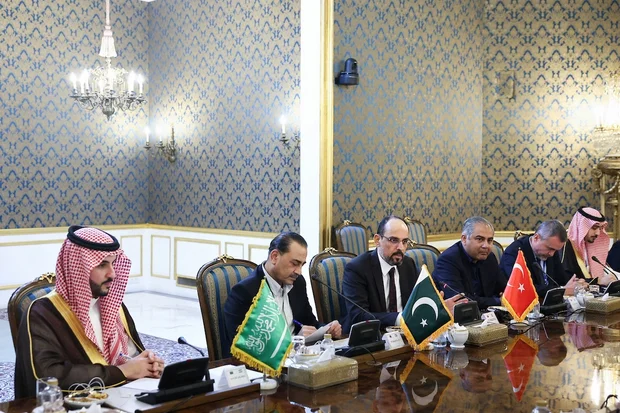
Senior officials from Mecca Pact members Saudi Arabia, Turkey, and Pakistan traveled to Tehran on Monday for a highly unusual meeting amid rising tensions and reports that the U.S. and Israel are preparing to resume strikes against the Iranian regime.
The meeting also came as the Iranian-backed Houthi terror group continued attacking civilian infrastructure in Saudi Arabia, including in the capital, Riyadh.
Following the meeting, Iranian media reported that the four sides had agreed to continue discussions “aimed at strengthening cooperation among the four regional countries, with an emphasis on peace and security in the region.”
The summit came amid repeated warnings from Israeli Prime Minister Benjamin Netanyahu that Iran is planning attacks against Israel to disrupt the elections on Tuesday. At the same time, reports suggested that the Israeli military fears that threatening messages from Netanyahu and his defense minister could trigger a miscalculation, potentially prompting Iran to strike Israel first.
The Mecca Defense Alliance members gave a tellingly warmer greeting to #Iran's regime's President Pezeshkian than SNSC Secretary Mohsen Rezaei, who wore his #IRGCterrorists uniform for the occasion. https://t.co/k1meKDaJ6B
— Jason Brodsky (@JasonMBrodsky) October 26, 2026
Saudi Arabia, Turkey and Pakistan recently signed a joint defense alliance called the Mecca Pact. They were represented by high-ranking officials in Tehran, including Saudi Defense Minister Prince Khalid bin Salman, the brother of the crown prince; Pakistan’s army chief and effective ruler, Field Marshal Asim Munir; and Ibrahim Kalin, the head of the Turkish national intelligence agency.
Iranian media reported that they were welcomed by Iranian President Masoud Pezeshkian and the head of Iran’s Supreme National Security Council, Mohsen Rezaei. In addition, mediators from Qatar arrived in Iran a day earlier, Reuters reported.
The talks are intended to support ongoing mediation efforts by Qatar and Pakistan to avert a new escalation and reach a diplomatic agreement between the U.S. and Iran, a Gulf official told The New York Times.
However, an Iranian official told Reuters that the nuclear program, a key concern for both the U.S. and Israel, was not discussed. Tehran reportedly wants to address the issue only after its demands for ending the war are met, including the lifting of the U.S. naval blockade on Iran and oil export sanctions.
Topics discussed during the meeting included regional security and “providing assistance to the peoples of Palestine and Lebanon.”
The meeting between top security officials from the Mecca Accords countries — Saudi Arabia, Turkey and Pakistan — and senior Iranian officials has begun in Tehran. Representing Iran are SNSC Mohsen Rezaei and FM Abbas Araghchi. https://t.co/zRwQbDsjaP
— Ariel Oseran أريئل أوسيران (@ariel_oseran) October 26, 2026
During the meeting, Pezeshkian was quoted as saying, “Iran is ready to deepen regional cooperation, resolve disagreements, and harness the collective potential of Islamic nations. It supports any understanding that contributes to strengthening unity, cohesion, security, and development in the region. The countries of the region must stand together in the face of the threats directed against them.”
“Our region is witnessing acts of violence and atrocities committed by Israel with American support, even as it accuses others of terrorism… The region has witnessed widespread Israeli crimes in recent years. A united front among Muslim countries could prevent Israel from continuing its aggression.”
However, the Pezeshkian also said, “Despite the losses and hardships, Iranians stood firm in defending their country. The belief that Iran can be forced to surrender is misguided.”
Over the past several weeks, Qatari mediators have been working on a framework under which the U.S. and Iran would make a series of concessions over five days as a prelude to an agreement, two diplomats told the NYT.
The proposed concessions reportedly include Iran reopening the Strait of Hormuz by halting attacks on merchant vessels in the strategic waterway, while the U.S. would lift its naval blockade.
The mediators have been pushing Iran to offer a concession on the nuclear program in the initial phase of the agreement, the diplomats said.
Last week, Rezaei told Munir during a meeting in Tehran that negotiations with the U.S. will take place until Washington takes steps to build trust – a process which he said must begin with the acceptance of Iran’s conditions.
“Not a single particle of enriched nuclear material will leave Iran; these materials constitute a major asset and national wealth for the Iranian people, intended for use within the country,” Rezaei was quoted as saying by the Islamic Republic News Agency (IRNA).
Popular article:

interview Easter message of resurrection hope amid war at Jerusalem's Garden Tomb

biblical commentary Let my people go: a Passover message for today

4 IDF soldiers killed, 2 wounded in fighting in southern Lebanon, as Israel eliminates dozens of Hezbollah terrorists

Receive latest news & updates
A message from All Israel News
Help us educate Christians on a daily basis about what is happening in Israel & the Middle East and why it matters.
For as little as $10, you can support ALL ISRAEL NEWS, a non-profit media organization that is supported by readers like you.
Latest articles:
Elections 2026 Want to know what's at stake in Israeli elections? Join us LIVE Tuesday night
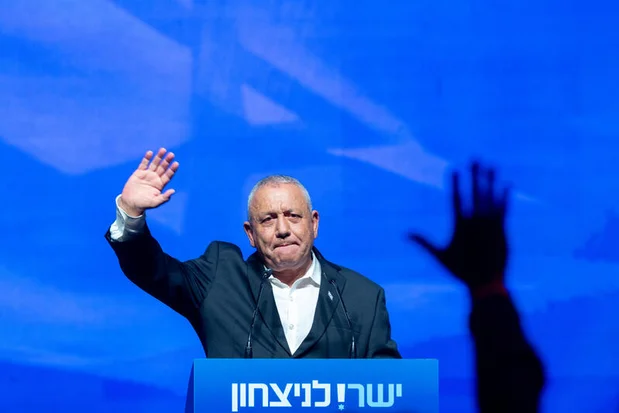
Elections 2026 Israeli election primer: Who is who in the Eisenkot-led 'Change' bloc
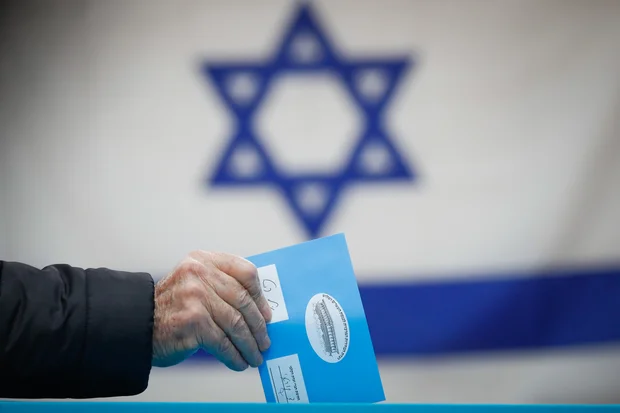
Israel Police prepared to ‘safeguard Israeli democracy’ commissioner says ahead of election day
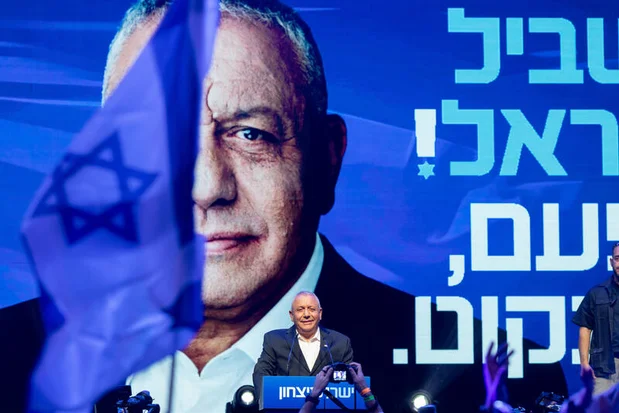
Elections 2026 24 hours before Israeli polls open: Eisenkot strives to become largest party, Netanyahu launches last-minute blitz
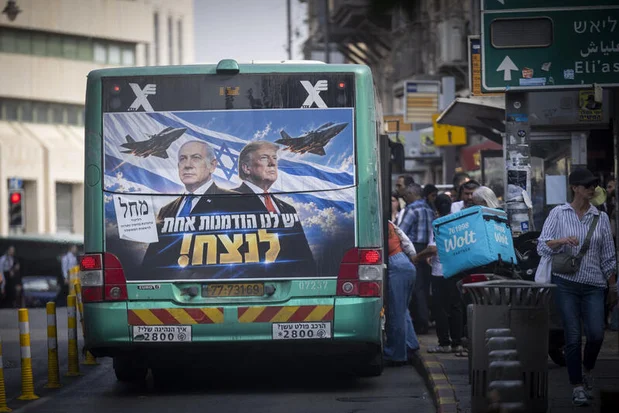
Netanyahu secures second Trump endorsement one day before contentious elections